
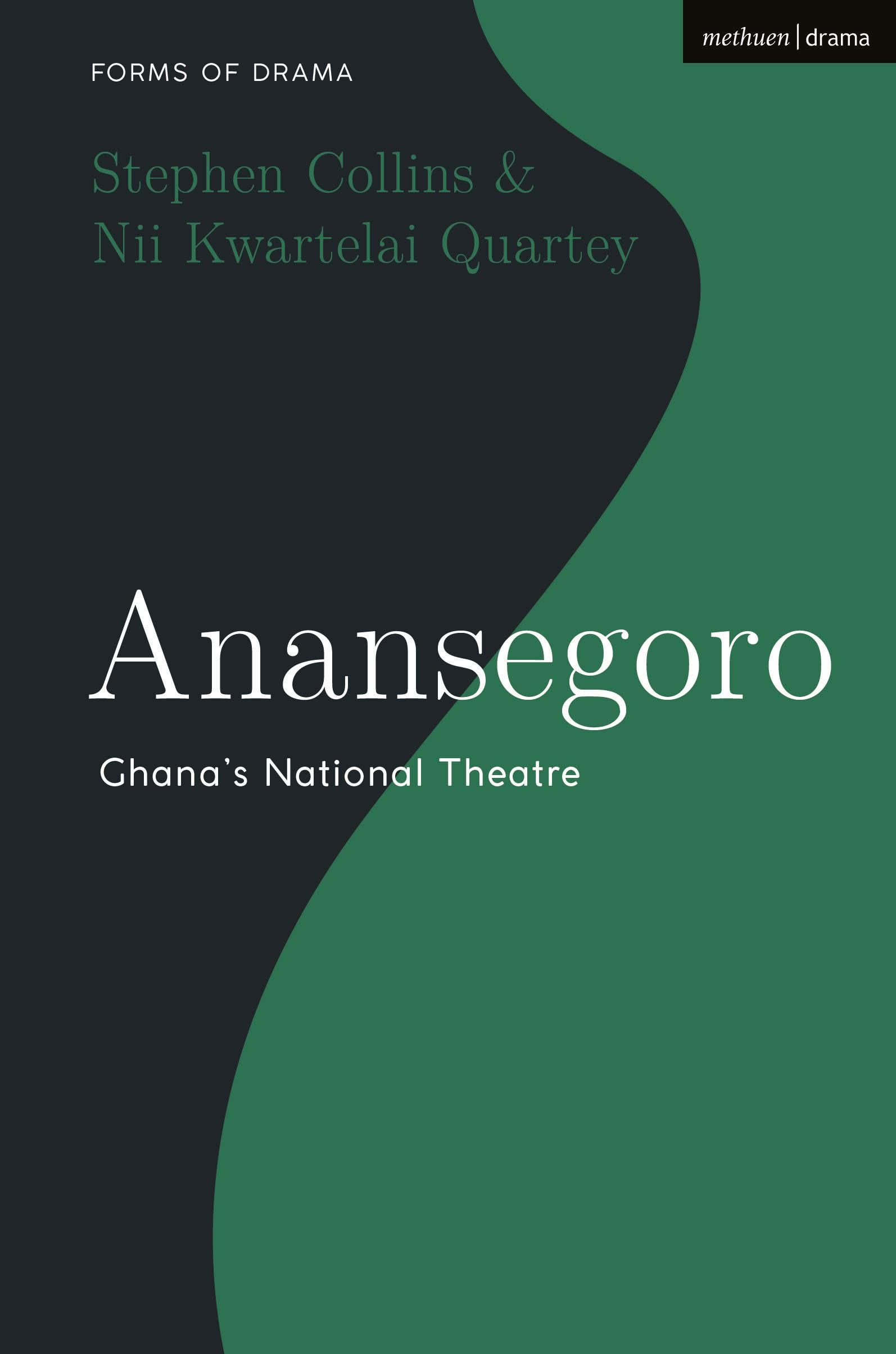
This volume examines the unique form of postcolonial Ghanaian theatre Anansegoro, ranging from its 1960s origins to its new significance as an example of the intersection between performance, intangible cultural heritage and copyright law.
Developed in the 1960s by Efua Sutherland and her collaborators as a new theatre for a newly independent nation, Anansegoro draws directly from the precolonial form of village storytelling, Anansesem(stories about Ananse, the spider god). Sutherland merged these village storytelling traditions with Western theatrical practices, resulting in a distinctly Ghanaian performance style and a canon of play texts for the modern stage.
Supplemented by an historical overview of playwrighting in Ghana from 1916, this volume explores the impact of Anansegoro and how successive figures including Ama Ata Aidoo and Yaw Asare continued, stretched and developed the form. A comparison study of Abibigoro, a theatrical form established by Mohammed ben Abdallah in the 1980s is also provided to deepen the reader's holistic understanding of the contemporary Ghanaian dramaturgical landscape. Uniquely, the authors analyze how the introduction of the 2005 Ghana Copyright Act, which protects Ghana's folklore from commercial use, has jeopardised the continuation of Anansegoro in the 21st century.
Developed in the 1960s by Efua Sutherland and her collaborators as a new theatre for a newly independent nation, Anansegoro draws directly from the precolonial form of village storytelling, Anansesem(stories about Ananse, the spider god). Sutherland merged these village storytelling traditions with Western theatrical practices, resulting in a distinctly Ghanaian performance style and a canon of play texts for the modern stage.
Supplemented by an historical overview of playwrighting in Ghana from 1916, this volume explores the impact of Anansegoro and how successive figures including Ama Ata Aidoo and Yaw Asare continued, stretched and developed the form. A comparison study of Abibigoro, a theatrical form established by Mohammed ben Abdallah in the 1980s is also provided to deepen the reader's holistic understanding of the contemporary Ghanaian dramaturgical landscape. Uniquely, the authors analyze how the introduction of the 2005 Ghana Copyright Act, which protects Ghana's folklore from commercial use, has jeopardised the continuation of Anansegoro in the 21st century.
Pages: 192
Catégorie: Drama, Teater & Scenkonst
e-ISBN: 9781350558274
Poids d'expédition: 1.2 kg
Expédié sous: 1-2 jours
Payez facilement par carte, Klarna, Apple Pay ou Google Pay. Pas satisfait ? Vous avez toujours une garantie de remboursement de 14 jours. En savoir plus dans nos conditions. Si vous avez des questions, envoyez-nous un e-mail à hello@memmo.org.
Memmo facilite tes études, où que tu sois dans le monde. On rassemble tes manuels de cours et des outils d'étude intelligents au même endroit : résumés, quiz, podcasts et flashcards. Et il y a Ted, ton compagnon d'étude qui répond à toutes tes questions. Plus de 50 000 étudiants étudient déjà ici – conçu pour t'aider à apprendre plus vite et à moins stresser.