
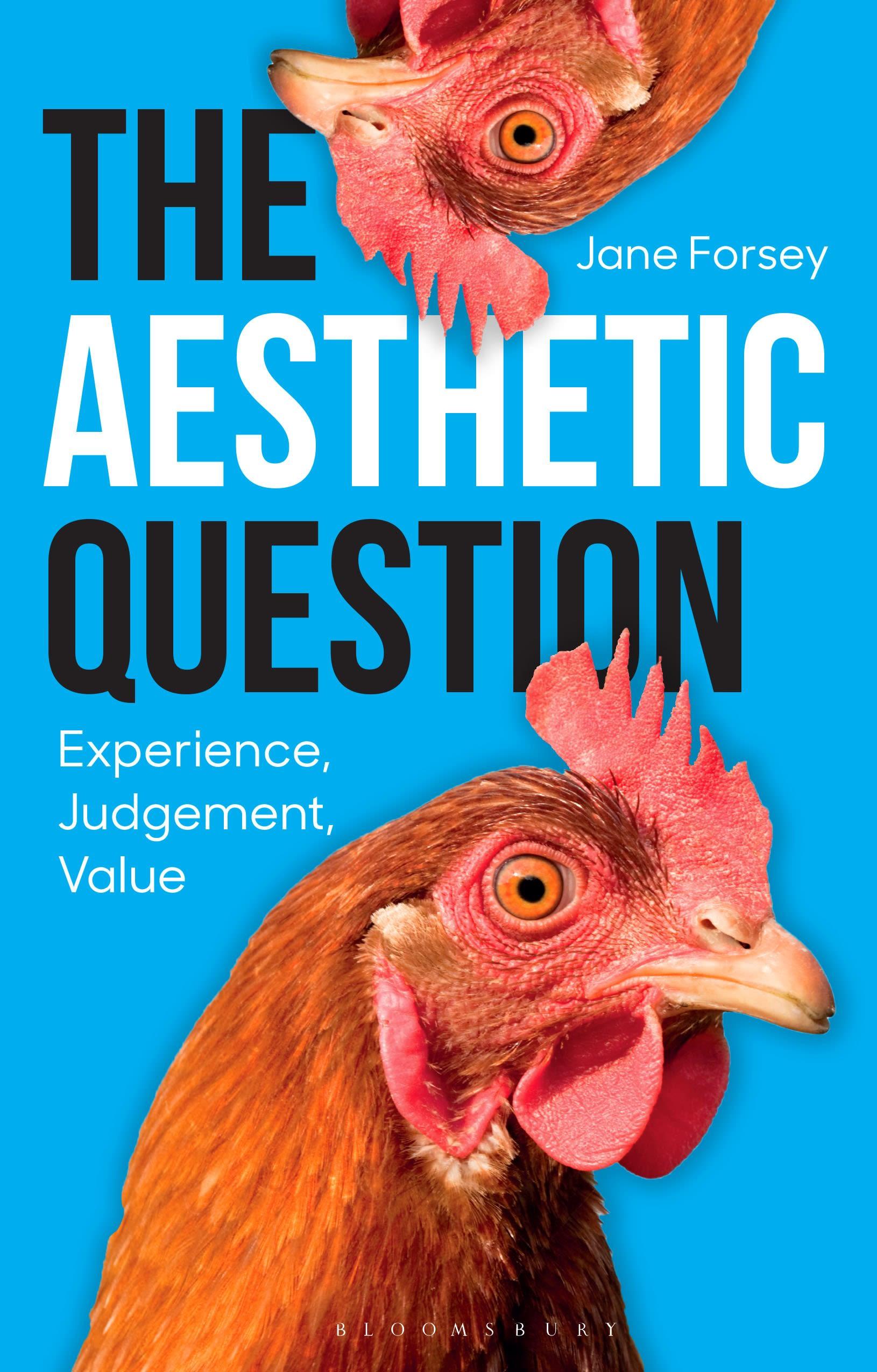
What is the nature and meaning of the 'aesthetic'? This question animates Jane Forsey's provocative dive into the foundations of philosophical aesthetics. The result is a compelling new theory of aesthetic experience that draws upon attention, judgement and value as central to our responses to the world we encounter.
We liberally apply 'aesthetic' to a wealth of experiences from horror movies, fashion and perfume to food, fine art and gardening. But underlying our use is a long-standing commitment to the centrality of pleasure. Forsey reveals why traditional aesthetic theories find it difficult to include experiences of the negative-the ugly, the fearsome, the grotesque, the banal- and exposes their inability to adequately reflect the multiplicity of ways we can experience the world.
Through an entertaining analysis of major themes and the latest debates around realism, value empiricism, and the everyday, Forsey argues that a connection to positive valuation severely restricts the kinds of things that can be counted as justifiably aesthetic. She introduces us to the notion of 'discordant aesthetics' and encourages us to incorporate experiences of ugliness, disorder and incoherence as legitimate forms of aesthetic engagement.
This is a call for the discipline to broaden its range and uncouple the aesthetic from its positive connotations. Forsey's fresh perspective on the fundamental question of 'what is the aesthetic?' shows us a more consistent, coherent way of articulating the experiences in our lives.
We liberally apply 'aesthetic' to a wealth of experiences from horror movies, fashion and perfume to food, fine art and gardening. But underlying our use is a long-standing commitment to the centrality of pleasure. Forsey reveals why traditional aesthetic theories find it difficult to include experiences of the negative-the ugly, the fearsome, the grotesque, the banal- and exposes their inability to adequately reflect the multiplicity of ways we can experience the world.
Through an entertaining analysis of major themes and the latest debates around realism, value empiricism, and the everyday, Forsey argues that a connection to positive valuation severely restricts the kinds of things that can be counted as justifiably aesthetic. She introduces us to the notion of 'discordant aesthetics' and encourages us to incorporate experiences of ugliness, disorder and incoherence as legitimate forms of aesthetic engagement.
This is a call for the discipline to broaden its range and uncouple the aesthetic from its positive connotations. Forsey's fresh perspective on the fundamental question of 'what is the aesthetic?' shows us a more consistent, coherent way of articulating the experiences in our lives.
Payez facilement par carte, Klarna, Apple Pay ou Google Pay. Pas satisfait ? Vous avez toujours une garantie de remboursement de 14 jours. En savoir plus dans nos conditions. Si vous avez des questions, envoyez-nous un e-mail à hello@memmo.org.
Memmo facilite tes études, où que tu sois dans le monde. On rassemble tes manuels de cours et des outils d'étude intelligents au même endroit : résumés, quiz, podcasts et flashcards. Et il y a Ted, ton compagnon d'étude qui répond à toutes tes questions. Plus de 50 000 étudiants étudient déjà ici – conçu pour t'aider à apprendre plus vite et à moins stresser.