
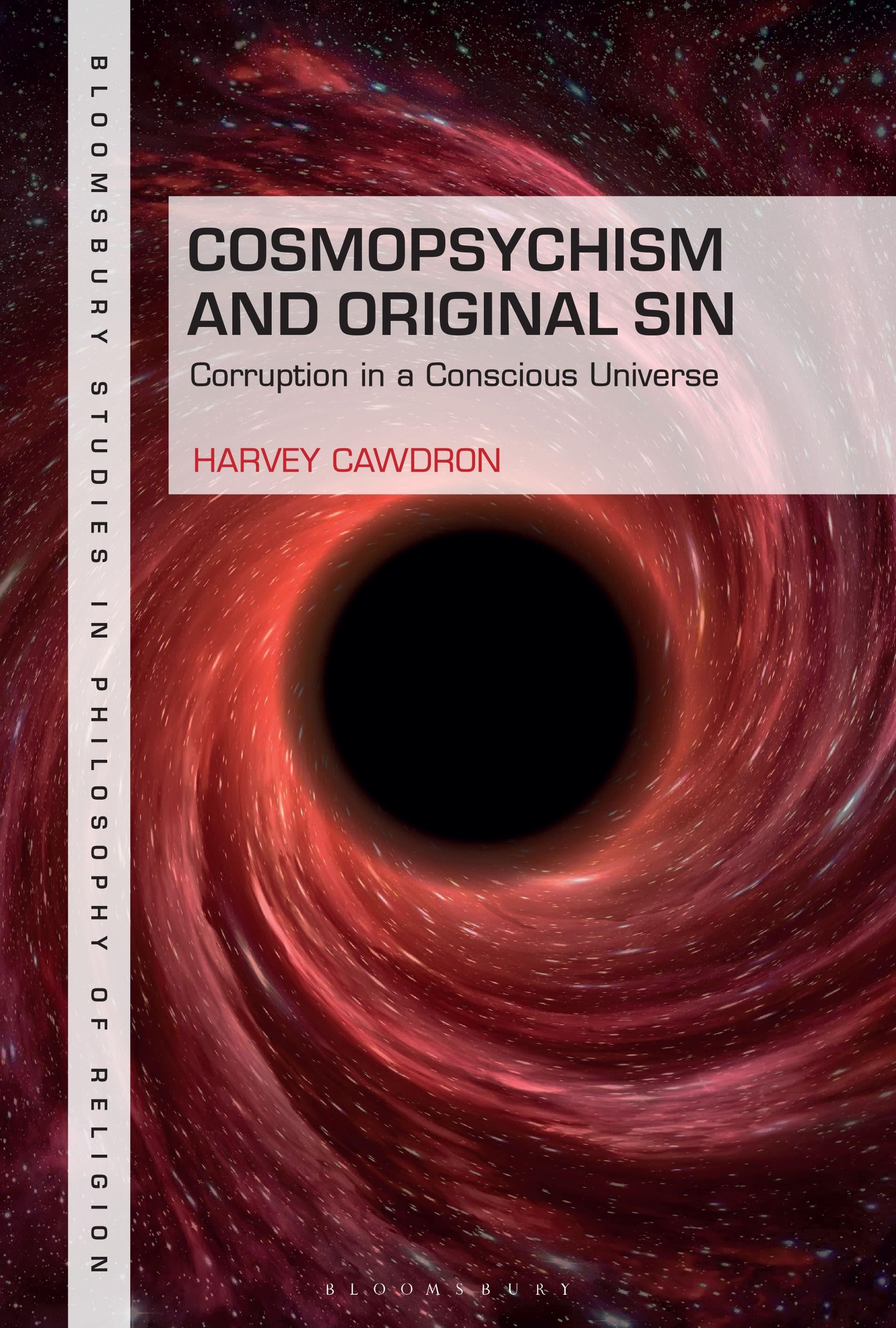
Cawdron's book explores the applications of cosmopsychism, the idea that the universe is conscious, to contemporary discussions of original sin in Christian analytic theology.
There are two issues in the scholarship of original sin that the book focuses on. The first is the transmission issue, which explains how original sin is transmitted between humans. The second is the apparent tension between original sin and moral responsibility. In doctrines that include original guilt, where later humans are considered guilty for the first sin, one has trouble with moral responsibility because later humans cannot have prevented something that happened before they were born. This problem also impacts doctrines that do not include original guilt, as one has to explain how people can be guilty for sinful acts if original sin makes the performance of these acts inevitable. Cawdron argues that cosmopsychism can help us resolve both of these issues, suggesting that the placing of consciousness at the fundamental level in cosmopsychism and the fact that the cosmic subject must individuate, or de-combine, to form other subjects, can provide us with a useful understanding of the transmission of original sin. Cawdron also uses cosmopsychism to develop two models of original sin – one including the doctrine of original guilt, and another that does not – to address tensions between the doctrine and moral responsibility.
There are two issues in the scholarship of original sin that the book focuses on. The first is the transmission issue, which explains how original sin is transmitted between humans. The second is the apparent tension between original sin and moral responsibility. In doctrines that include original guilt, where later humans are considered guilty for the first sin, one has trouble with moral responsibility because later humans cannot have prevented something that happened before they were born. This problem also impacts doctrines that do not include original guilt, as one has to explain how people can be guilty for sinful acts if original sin makes the performance of these acts inevitable. Cawdron argues that cosmopsychism can help us resolve both of these issues, suggesting that the placing of consciousness at the fundamental level in cosmopsychism and the fact that the cosmic subject must individuate, or de-combine, to form other subjects, can provide us with a useful understanding of the transmission of original sin. Cawdron also uses cosmopsychism to develop two models of original sin – one including the doctrine of original guilt, and another that does not – to address tensions between the doctrine and moral responsibility.
Payez facilement par carte, Klarna, Apple Pay ou Google Pay. Pas satisfait ? Vous avez toujours une garantie de remboursement de 14 jours. En savoir plus dans nos conditions. Si vous avez des questions, envoyez-nous un e-mail à hello@memmo.org.
Memmo facilite tes études, où que tu sois dans le monde. On rassemble tes manuels de cours et des outils d'étude intelligents au même endroit : résumés, quiz, podcasts et flashcards. Et il y a Ted, ton compagnon d'étude qui répond à toutes tes questions. Plus de 50 000 étudiants étudient déjà ici – conçu pour t'aider à apprendre plus vite et à moins stresser.