
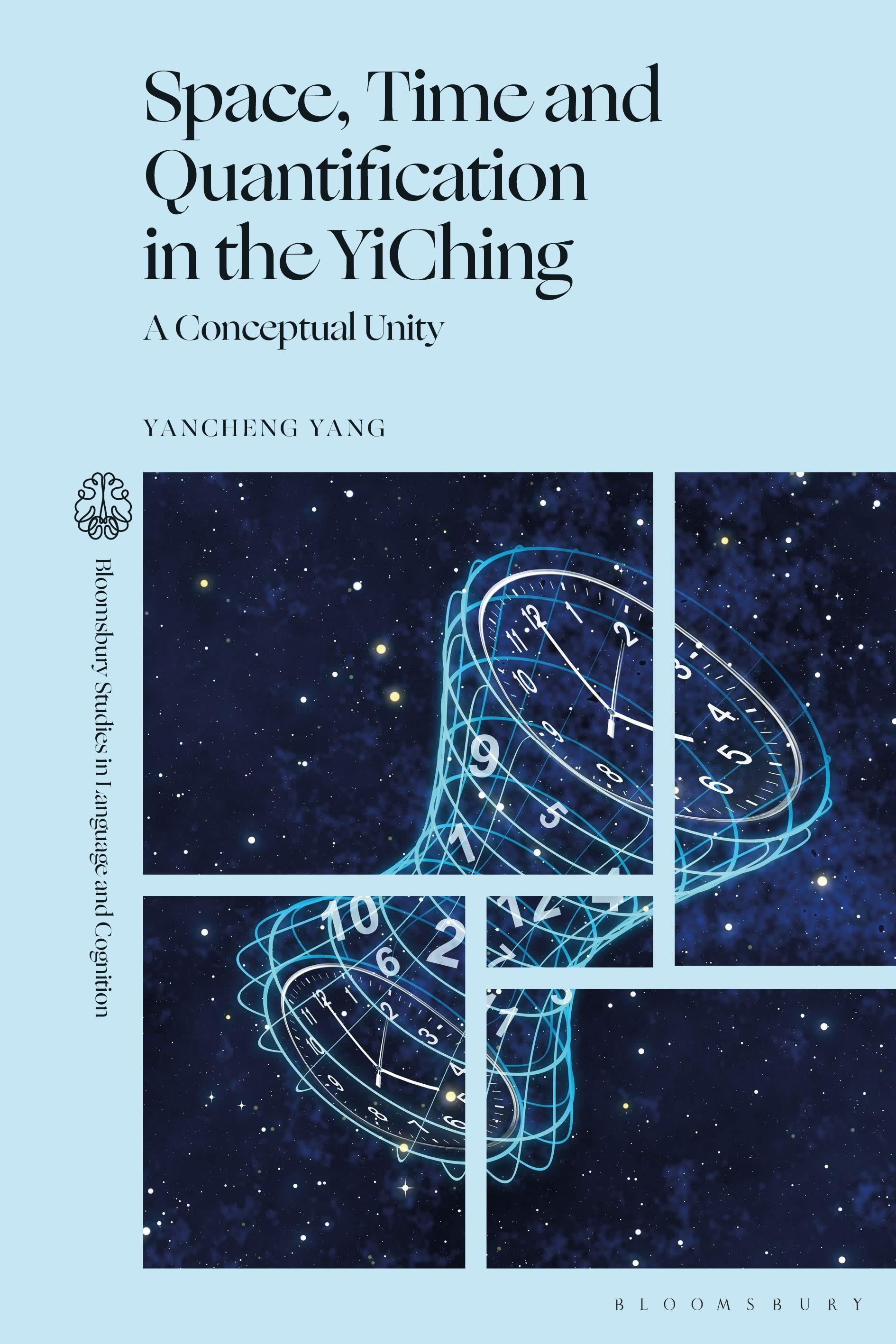
This book explores linguistic representations and cultural conceptualizations of the relationship between time and space in ancient China, as expressed by the YiChing.
The YiChing, an ancient Chinese divination manual based on hexagrams, is one of the oldest of the Chinese classics and a foundational text for the Confucian and Daoist philosophical traditions. Its hexagrams represent the internal logic of the world or universe as a dynamic whole, alternating the processes of events based on the conceptual unity of space and time and their quantification.
This book is the first in-depth examination of time and space and their quantification in the YiChing from the perspective of cognitive linguistics. Through detailed analysis of motion and life metaphors, it argues that space and time, which in turn shapes how quantification is expressed, is a unified concept in China.
Offering distinctive Chinese perspectives, this insightful study deals with unsolved issues from experimental research in cognitive and psychological science to further expand the existing linguistic and cultural research field. The book compares the Chinese conceptualization of the unity of space and time with an asymmetric conceptualization of space and time in the West, making an original contribution to the study of space, time and number in language and cognition, and to the understanding of the history of Chinese thought.
The YiChing, an ancient Chinese divination manual based on hexagrams, is one of the oldest of the Chinese classics and a foundational text for the Confucian and Daoist philosophical traditions. Its hexagrams represent the internal logic of the world or universe as a dynamic whole, alternating the processes of events based on the conceptual unity of space and time and their quantification.
This book is the first in-depth examination of time and space and their quantification in the YiChing from the perspective of cognitive linguistics. Through detailed analysis of motion and life metaphors, it argues that space and time, which in turn shapes how quantification is expressed, is a unified concept in China.
Offering distinctive Chinese perspectives, this insightful study deals with unsolved issues from experimental research in cognitive and psychological science to further expand the existing linguistic and cultural research field. The book compares the Chinese conceptualization of the unity of space and time with an asymmetric conceptualization of space and time in the West, making an original contribution to the study of space, time and number in language and cognition, and to the understanding of the history of Chinese thought.
Payez facilement par carte, Klarna, Apple Pay ou Google Pay. Pas satisfait ? Vous avez toujours une garantie de remboursement de 14 jours. En savoir plus dans nos conditions. Si vous avez des questions, envoyez-nous un e-mail à hello@memmo.org.
Memmo facilite tes études, où que tu sois dans le monde. On rassemble tes manuels de cours et des outils d'étude intelligents au même endroit : résumés, quiz, podcasts et flashcards. Et il y a Ted, ton compagnon d'étude qui répond à toutes tes questions. Plus de 50 000 étudiants étudient déjà ici – conçu pour t'aider à apprendre plus vite et à moins stresser.