
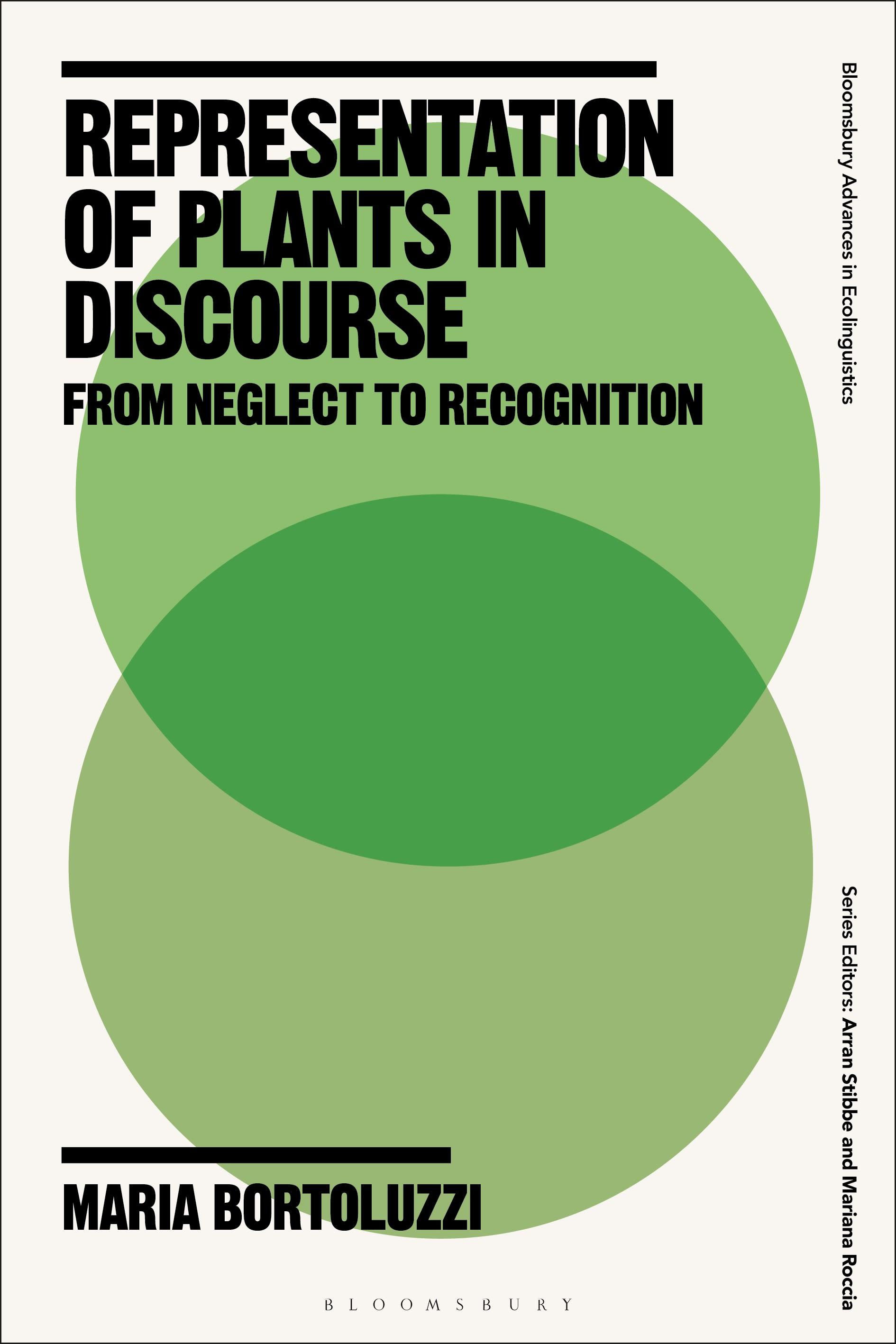
How do we communicate about plants in diverse socio-cultural contexts? Which underlying values and beliefs inform the positioning of plants in texts? Why is it essential to reflect on plant discourse at a time of climate crisis?
Plants are life-sustaining protagonists on the planet, and their immense relevance in ecosystems and in our lives cannot be overstated. Yet, plants tend to be given less consideration than animals because their organisms are very different from ours, and their movements and actions are difficult to perceive because of our sensory limitations and different timeframes. Therefore, plants are often neglected and backgrounded, or discursively constructed as exploitable resources and commodities, especially in technological and urbanised social contexts. This results in discursive representations informed by de-animating and exploitative beliefs that have negative cascading impacts on the web of life. Vice versa, respect for all participants in Earth ecosystems, including plants, can foster ecojustice and wellbeing for all.
This book analyses how we represent plants in a variety of socio-cultural and interactional contexts, in verbal and non-verbal texts. It discusses what these practices reveal about underlying values, and what impact these representations may have on the web of life. Since plant discourse has been under-represented in ecolinguistics so far, this study advocates for a plant turn in ecolinguistics, ecological discourse studies and ecomultimodality. Reflecting on how we speak and write about plants means giving recognition to the photosynthesising beings that sustain life on the planet.
Plants are life-sustaining protagonists on the planet, and their immense relevance in ecosystems and in our lives cannot be overstated. Yet, plants tend to be given less consideration than animals because their organisms are very different from ours, and their movements and actions are difficult to perceive because of our sensory limitations and different timeframes. Therefore, plants are often neglected and backgrounded, or discursively constructed as exploitable resources and commodities, especially in technological and urbanised social contexts. This results in discursive representations informed by de-animating and exploitative beliefs that have negative cascading impacts on the web of life. Vice versa, respect for all participants in Earth ecosystems, including plants, can foster ecojustice and wellbeing for all.
This book analyses how we represent plants in a variety of socio-cultural and interactional contexts, in verbal and non-verbal texts. It discusses what these practices reveal about underlying values, and what impact these representations may have on the web of life. Since plant discourse has been under-represented in ecolinguistics so far, this study advocates for a plant turn in ecolinguistics, ecological discourse studies and ecomultimodality. Reflecting on how we speak and write about plants means giving recognition to the photosynthesising beings that sustain life on the planet.
Payez facilement par carte, Klarna, Apple Pay ou Google Pay. Pas satisfait ? Vous avez toujours une garantie de remboursement de 14 jours. En savoir plus dans nos conditions. Si vous avez des questions, envoyez-nous un e-mail à hello@memmo.org.
Memmo facilite tes études, où que tu sois dans le monde. On rassemble tes manuels de cours et des outils d'étude intelligents au même endroit : résumés, quiz, podcasts et flashcards. Et il y a Ted, ton compagnon d'étude qui répond à toutes tes questions. Plus de 50 000 étudiants étudient déjà ici – conçu pour t'aider à apprendre plus vite et à moins stresser.