
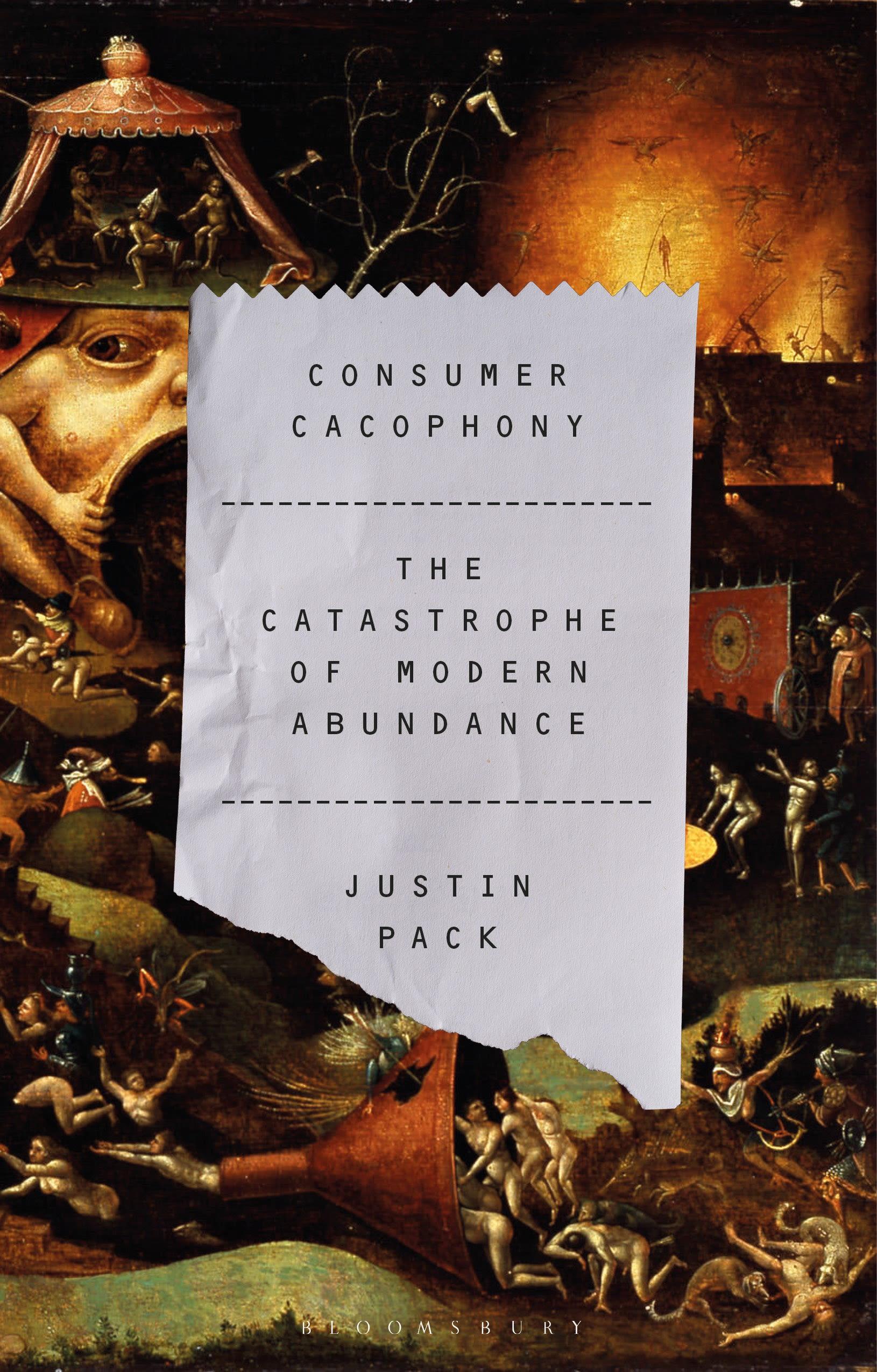
There is too much. Too much to read, too much to watch, too much to try, too much to buy. For the modern consumer, it's hard to hear and hard to think amid all of this noise.
This book argues such that cacophony is a nihilistic abundance, threatening not only the physical environment that we live in, but also the coherence of our spiritual and cultural worlds. While we wrestle with the economic, political and environmental impact of too much, we do so in the midst of a crisis in the culture of thinking and feeling.
Understanding that contemporary philosophy often fail to engage with these challenges, Justin Pack turns to thinkers including Nietzsche, Ortega y Gasset, Arendt, Zygmunt Bauman and Charles Taylor to explore the various threats of overproduction. Drawing together what are often seen as separate problems requiring different solutions – material abundance, environmental crisis, the decline of thoughtfulness – Consumer Cacophony's case studies are drawn from across society and culture, but particularly the phenomena of academic overproduction and social media. This is a thoughtful, incisive account of that global overproduction and its devastating consequences.
This book argues such that cacophony is a nihilistic abundance, threatening not only the physical environment that we live in, but also the coherence of our spiritual and cultural worlds. While we wrestle with the economic, political and environmental impact of too much, we do so in the midst of a crisis in the culture of thinking and feeling.
Understanding that contemporary philosophy often fail to engage with these challenges, Justin Pack turns to thinkers including Nietzsche, Ortega y Gasset, Arendt, Zygmunt Bauman and Charles Taylor to explore the various threats of overproduction. Drawing together what are often seen as separate problems requiring different solutions – material abundance, environmental crisis, the decline of thoughtfulness – Consumer Cacophony's case studies are drawn from across society and culture, but particularly the phenomena of academic overproduction and social media. This is a thoughtful, incisive account of that global overproduction and its devastating consequences.
Payez facilement par carte, Klarna, Apple Pay ou Google Pay. Pas satisfait ? Vous avez toujours une garantie de remboursement de 14 jours. En savoir plus dans nos conditions. Si vous avez des questions, envoyez-nous un e-mail à hello@memmo.org.
Memmo facilite tes études, où que tu sois dans le monde. On rassemble tes manuels de cours et des outils d'étude intelligents au même endroit : résumés, quiz, podcasts et flashcards. Et il y a Ted, ton compagnon d'étude qui répond à toutes tes questions. Plus de 50 000 étudiants étudient déjà ici – conçu pour t'aider à apprendre plus vite et à moins stresser.