
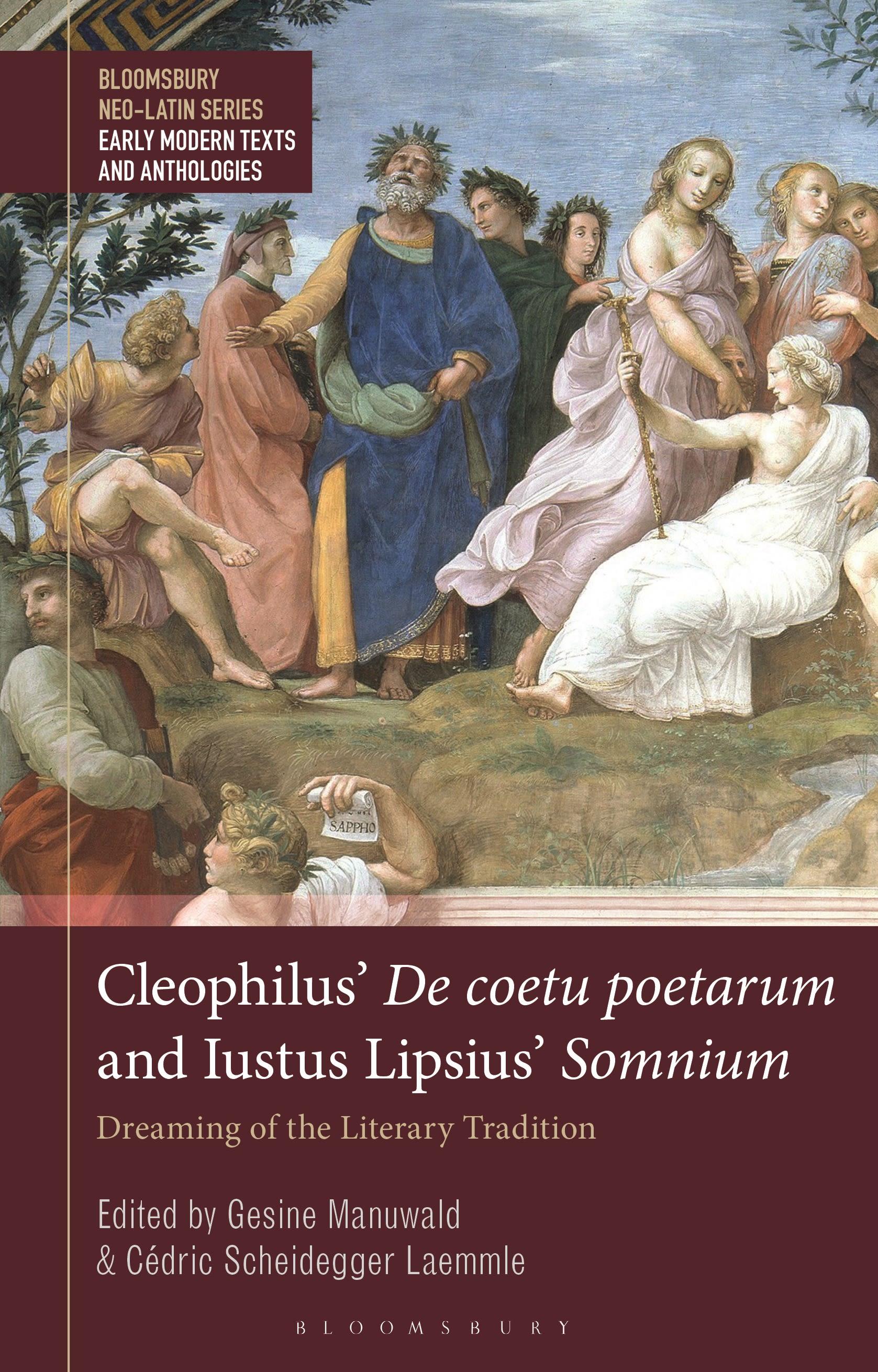
Providing the first edited text, translation and commentary of two Renaissance dream-narrative satires, this edition sheds light on the period's literary history and reception of classical texts. Cleophilus' De coetu poetarum (first printed 1483–1485) and Iustus Lipsius' Somnium (first printed 1581) are both framed as dreams in which their authors encounter ancient authors and compare ancient literary works to the deplorable state of literature in their own times. They belong to a tradition of reflections on the characteristics of literature and the value attached to it over time, while also themselves imitating ancient poetic structures.
Lipsius' Somnium, written in a mixture of prose and verse that characterises the so-called Menippean satire, has attracted much scholarly attention as a central text in the tradition of satirical dream narratives that held sway in Humanist circles from the late sixteenth century onwards. By contrast, Cleophilus' elegiac poem has failed to make its mark in scholarship even though it was an important forerunner of this tradition and enjoyed widespread popularity at the time, contributing, among other things, to the impact of Dante's Divine Comedy on Neo-Latin literature. The present edition makes these two important texts more accessible and allows their assessment side by side, thereby contributing to a deeper understanding of Renaissance-Humanist satire and the wider development of literary history as well as the reception of classical literature in the early modern period.
Lipsius' Somnium, written in a mixture of prose and verse that characterises the so-called Menippean satire, has attracted much scholarly attention as a central text in the tradition of satirical dream narratives that held sway in Humanist circles from the late sixteenth century onwards. By contrast, Cleophilus' elegiac poem has failed to make its mark in scholarship even though it was an important forerunner of this tradition and enjoyed widespread popularity at the time, contributing, among other things, to the impact of Dante's Divine Comedy on Neo-Latin literature. The present edition makes these two important texts more accessible and allows their assessment side by side, thereby contributing to a deeper understanding of Renaissance-Humanist satire and the wider development of literary history as well as the reception of classical literature in the early modern period.
Pages: 304
Catégorie: Arkeologi & Antikvetenskap
e-ISBN: 9781350468764
Poids d'expédition: 1.2 kg
Expédié sous: 1-2 jours
Payez facilement par carte, Klarna, Apple Pay ou Google Pay. Pas satisfait ? Vous avez toujours une garantie de remboursement de 14 jours. En savoir plus dans nos conditions. Si vous avez des questions, envoyez-nous un e-mail à hello@memmo.org.
Memmo facilite tes études, où que tu sois dans le monde. On rassemble tes manuels de cours et des outils d'étude intelligents au même endroit : résumés, quiz, podcasts et flashcards. Et il y a Ted, ton compagnon d'étude qui répond à toutes tes questions. Plus de 50 000 étudiants étudient déjà ici – conçu pour t'aider à apprendre plus vite et à moins stresser.