
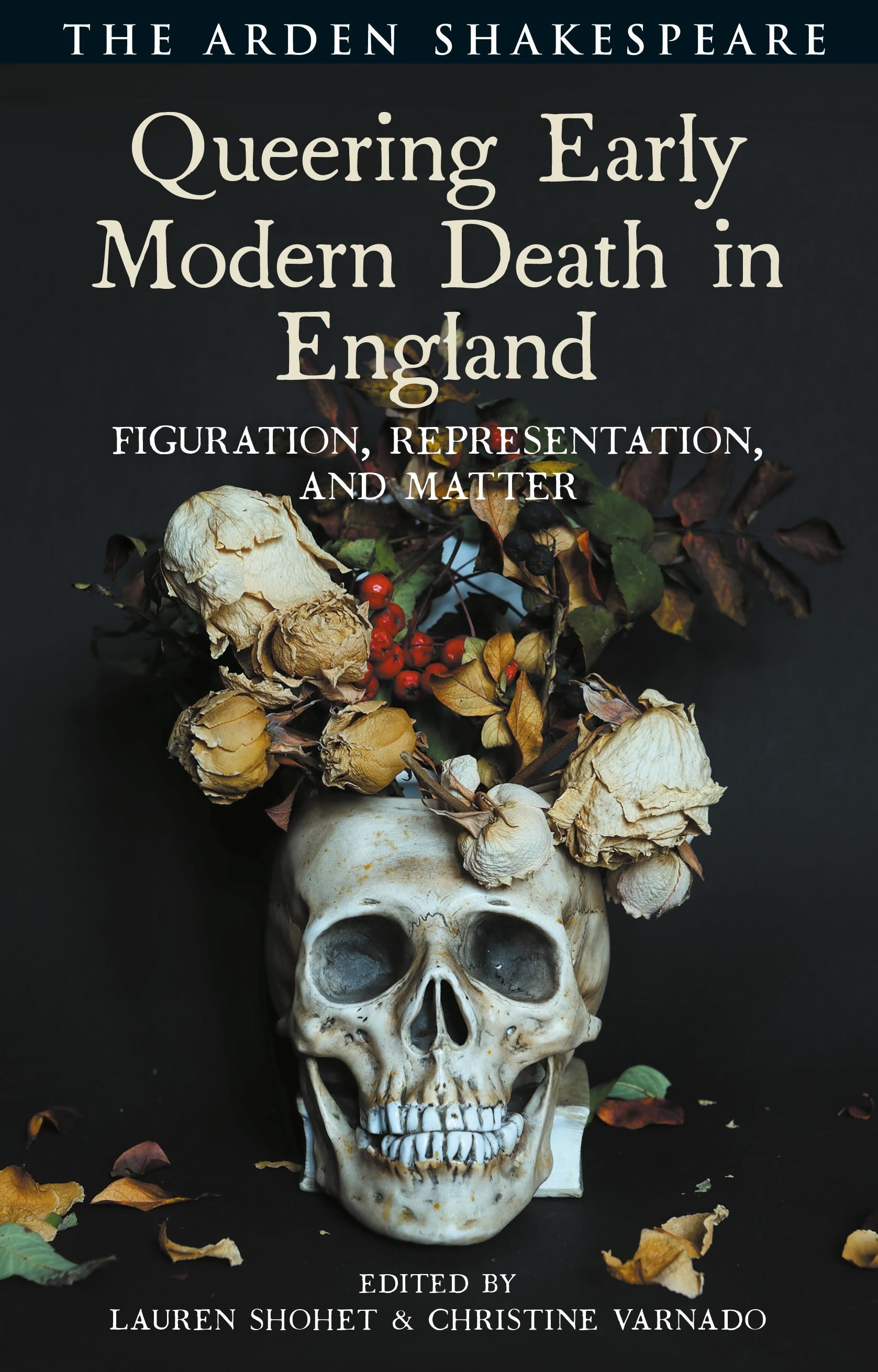
What does queer death have to do with early modern England? This collection interrogates the profoundly queer, strange, excessive, camp and uncanny dimensions of death in early modern English literary, theatrical, and material archives.
Contributors provide new insights on death by using the analytic tools of queer theory, via non-binary analyses of gender, sexuality, humanity, nature, embodiment, and temporality. Turning queer analysis to questions of death allows it to be understood as non-dualist, non-linear, a-teleological, and fruitfully muddled. The essays illuminate early modern experiences before the ascendancy of Cartesian dualism occluded alternative understandings of death. They also speak to a present and a future where many received paradigms no longer hold. Key dramatic texts from the early modern period, including The Duchess of Malfi, The Alchemist, The Spanish Tragedy, The Winter's Tale, Richard III, and A Midsummer Night's Dream, show the expansive possibilities of death and dying in a queer mode. Further essays consider queer dimensions of death in lyric poetry, animal husbandry, typology, and Shakespearean authorship. These approaches make clear why readers interested in queerness and death should immerse themselves in the cultural life of sixteenth and seventeenth century England.
Contributors provide new insights on death by using the analytic tools of queer theory, via non-binary analyses of gender, sexuality, humanity, nature, embodiment, and temporality. Turning queer analysis to questions of death allows it to be understood as non-dualist, non-linear, a-teleological, and fruitfully muddled. The essays illuminate early modern experiences before the ascendancy of Cartesian dualism occluded alternative understandings of death. They also speak to a present and a future where many received paradigms no longer hold. Key dramatic texts from the early modern period, including The Duchess of Malfi, The Alchemist, The Spanish Tragedy, The Winter's Tale, Richard III, and A Midsummer Night's Dream, show the expansive possibilities of death and dying in a queer mode. Further essays consider queer dimensions of death in lyric poetry, animal husbandry, typology, and Shakespearean authorship. These approaches make clear why readers interested in queerness and death should immerse themselves in the cultural life of sixteenth and seventeenth century England.
Payez facilement par carte, Klarna, Apple Pay ou Google Pay. Pas satisfait ? Vous avez toujours une garantie de remboursement de 14 jours. En savoir plus dans nos conditions. Si vous avez des questions, envoyez-nous un e-mail à hello@memmo.org.
Memmo facilite tes études, où que tu sois dans le monde. On rassemble tes manuels de cours et des outils d'étude intelligents au même endroit : résumés, quiz, podcasts et flashcards. Et il y a Ted, ton compagnon d'étude qui répond à toutes tes questions. Plus de 50 000 étudiants étudient déjà ici – conçu pour t'aider à apprendre plus vite et à moins stresser.