
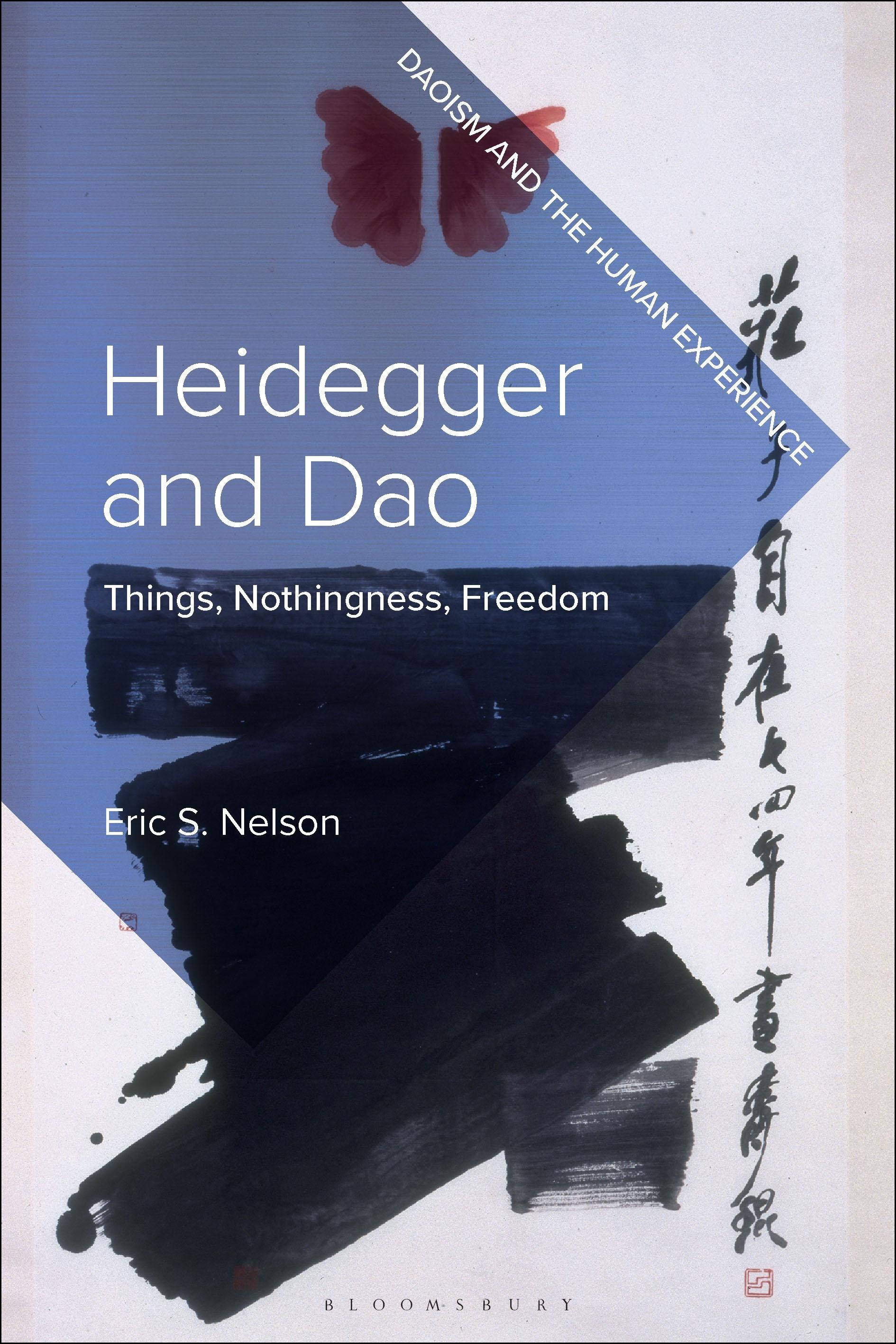
In this innovative contribution, Eric S. Nelson offers a contextualized and systematic exploration of the Chinese sources and German language interpretations that shaped Heidegger's engagement with Daoism and his thinking of the thing, nothingness, and the freedom of releasement (Gelassenheit). Encompassing forgotten and recently published historical sources, including Heidegger's Daoist and Buddhist-related reflections in his lectures and notebooks, Nelson presents a critical intercultural reinterpretation of Heidegger's philosophical journey.
Nelson analyzes the intersections and differences between the Daodejing, the Zhuangzi, and Heidegger's philosophy and the linguistic and conceptual shifts in Heidegger's thinking that correlate with his encounters and interactions with Daoist, Buddhist, and East Asian texts and interlocutors. He thereby traces hints for encountering things and environments anew, models for intercultural hermeneutics, and ways of reimagining the thing, nothingness, and freedom with and beyond Heidegger's thought.
This work elucidates the thing, the mystery, and freedom in Heidegger and Daoism in Part I and Heidegger's thinking of nothingness, emptiness, and the clearing in relation to Daoist and Buddhist philosophy in Part II. In each part, Nelson unfolds a fresh perspective for thinking further with Heidegger and East Asian philosophies in relation to the contemporary existential and environmental situation for the sake of nourishing life amidst damaged life.
Nelson analyzes the intersections and differences between the Daodejing, the Zhuangzi, and Heidegger's philosophy and the linguistic and conceptual shifts in Heidegger's thinking that correlate with his encounters and interactions with Daoist, Buddhist, and East Asian texts and interlocutors. He thereby traces hints for encountering things and environments anew, models for intercultural hermeneutics, and ways of reimagining the thing, nothingness, and freedom with and beyond Heidegger's thought.
This work elucidates the thing, the mystery, and freedom in Heidegger and Daoism in Part I and Heidegger's thinking of nothingness, emptiness, and the clearing in relation to Daoist and Buddhist philosophy in Part II. In each part, Nelson unfolds a fresh perspective for thinking further with Heidegger and East Asian philosophies in relation to the contemporary existential and environmental situation for the sake of nourishing life amidst damaged life.
Payez facilement par carte, Klarna, Apple Pay ou Google Pay. Pas satisfait ? Vous avez toujours une garantie de remboursement de 14 jours. En savoir plus dans nos conditions. Si vous avez des questions, envoyez-nous un e-mail à hello@memmo.org.
Memmo facilite tes études, où que tu sois dans le monde. On rassemble tes manuels de cours et des outils d'étude intelligents au même endroit : résumés, quiz, podcasts et flashcards. Et il y a Ted, ton compagnon d'étude qui répond à toutes tes questions. Plus de 50 000 étudiants étudient déjà ici – conçu pour t'aider à apprendre plus vite et à moins stresser.