
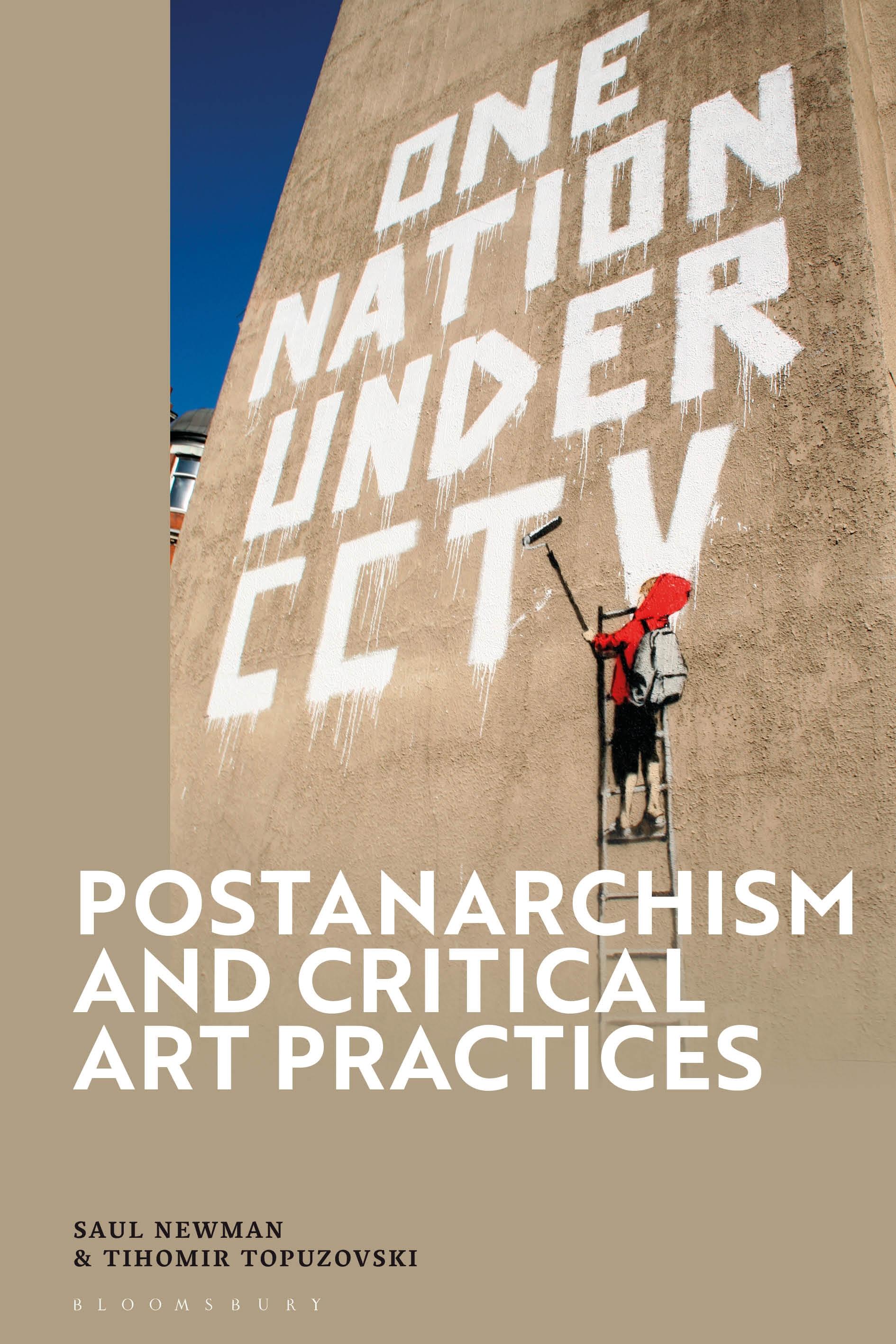
Engaging with contemporary debates about the political role of art in an era of total market subsumption, this book shows how artists respond to the challenges of political authoritarianism, police violence, right-wing populism, 'post-truth' discourse, economic inequality, pandemics, and the environmental crisis, transforming the public sphere in new and unexpected ways. Going beyond sterile debates about identity politics, diversity and representation that beset the mainstream media, university campuses and other cultural domains, the volume illustrates the ways in which artists are opening up alternative sites of contestation, occupation, and autonomous political thought and action.
Newman and Topuzovski examine here the artistic practices of multiple collectives and individuals deeply engaged with social and political activities such as Grupo de Arte Callejero (GAC) and Voina, arguing that the best way to understand these new critical discourses and practices is through an updated political theory of anarchism - or what we call postanarchism - where the insurrection against power and the politics of singularity are central. Featuring, for instance, an examination of significant movements such as Black Lives Matter, as well as its use of artistic tactics such as graffiti, graphic design and movement art, the book launches itself into a vibrant discussion of the extent to which art can produce a multiplicity of practices through the deconstruction of existing legal, political, and cultural identities.
By developing an alternative way of exploring the nexus between art and politics through the idea of postanarchism, this book bridges the gap between the two, promoting an understanding of the political role that art can play today and introduces a theory of postanarchism to a non-specialist audience of artists, activists and those generally interested in new sites and directions for radical politics.
Newman and Topuzovski examine here the artistic practices of multiple collectives and individuals deeply engaged with social and political activities such as Grupo de Arte Callejero (GAC) and Voina, arguing that the best way to understand these new critical discourses and practices is through an updated political theory of anarchism - or what we call postanarchism - where the insurrection against power and the politics of singularity are central. Featuring, for instance, an examination of significant movements such as Black Lives Matter, as well as its use of artistic tactics such as graffiti, graphic design and movement art, the book launches itself into a vibrant discussion of the extent to which art can produce a multiplicity of practices through the deconstruction of existing legal, political, and cultural identities.
By developing an alternative way of exploring the nexus between art and politics through the idea of postanarchism, this book bridges the gap between the two, promoting an understanding of the political role that art can play today and introduces a theory of postanarchism to a non-specialist audience of artists, activists and those generally interested in new sites and directions for radical politics.
Pages: 200
Catégorie: Konst, Design & Fotografi
e-ISBN: 9781350410367
Poids d'expédition: 1.2 kg
Expédié sous: 1-2 jours
Payez facilement par carte, Klarna, Apple Pay ou Google Pay. Pas satisfait ? Vous avez toujours une garantie de remboursement de 14 jours. En savoir plus dans nos conditions. Si vous avez des questions, envoyez-nous un e-mail à hello@memmo.org.
Memmo facilite tes études, où que tu sois dans le monde. On rassemble tes manuels de cours et des outils d'étude intelligents au même endroit : résumés, quiz, podcasts et flashcards. Et il y a Ted, ton compagnon d'étude qui répond à toutes tes questions. Plus de 50 000 étudiants étudient déjà ici – conçu pour t'aider à apprendre plus vite et à moins stresser.