
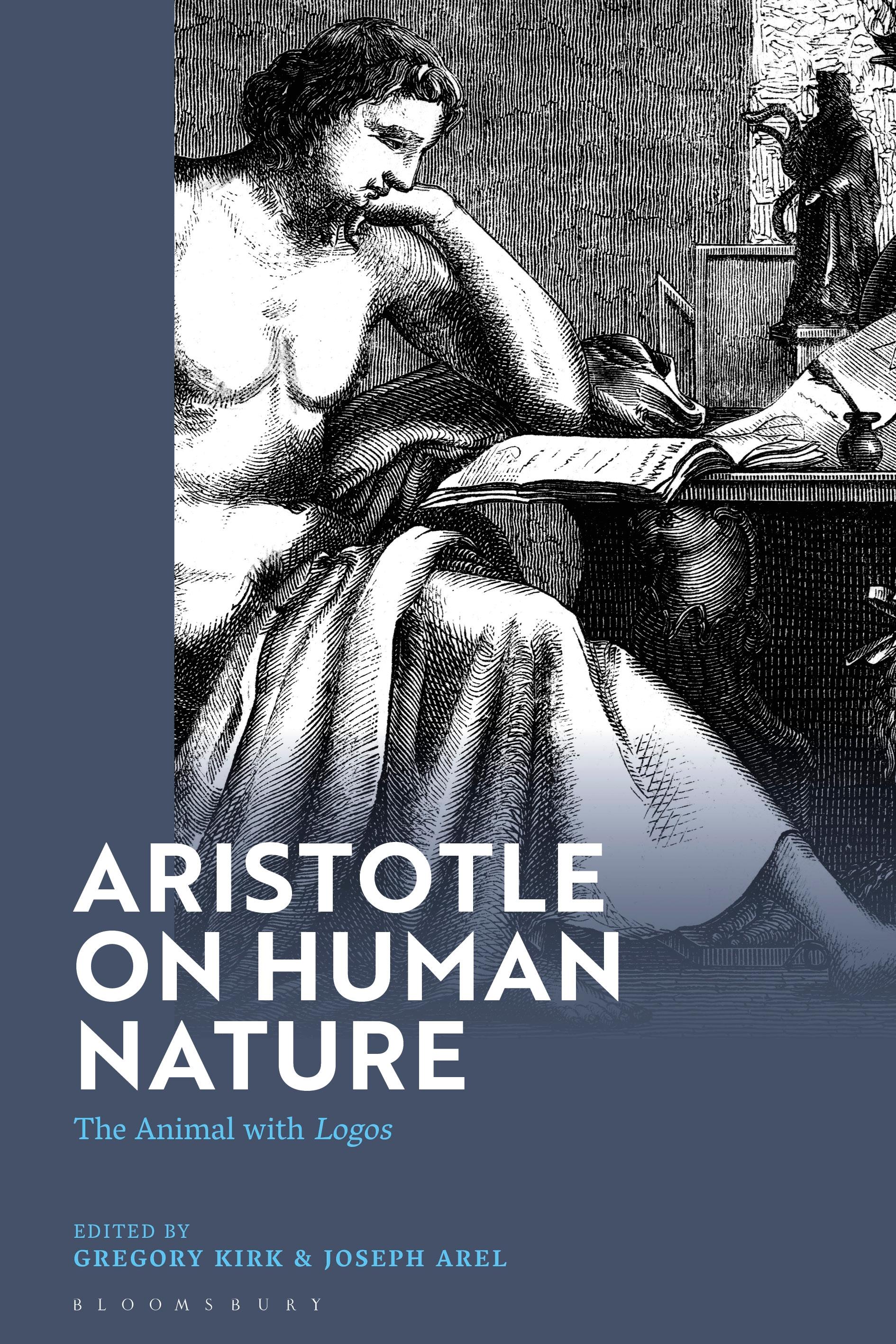
Exploring Aristotle's concept of logos, this volume advances our understanding of it as a singular feature of human nature by arguing that it is the organizing principle of human life itself.
Tracing its multiple meanings in different contexts, including reason, logic, speech, ratio, account, and form, contributors highlight the ways in which we can see logos in human thinking, in the organizing principles of our bodies, in our perception of the world, in our social and political life, and through our productive and fine arts. Through this focus, logos reveals itself not as one feature amongst others, but instead as the feature that organizes all others, from the most “animal” to the most “spiritual.” By presenting logos in this way, readers gain a complex account of the philosophy of human nature.
Tracing its multiple meanings in different contexts, including reason, logic, speech, ratio, account, and form, contributors highlight the ways in which we can see logos in human thinking, in the organizing principles of our bodies, in our perception of the world, in our social and political life, and through our productive and fine arts. Through this focus, logos reveals itself not as one feature amongst others, but instead as the feature that organizes all others, from the most “animal” to the most “spiritual.” By presenting logos in this way, readers gain a complex account of the philosophy of human nature.
Payez facilement par carte, Klarna, Apple Pay ou Google Pay. Pas satisfait ? Vous avez toujours une garantie de remboursement de 14 jours. En savoir plus dans nos conditions. Si vous avez des questions, envoyez-nous un e-mail à hello@memmo.org.
Memmo facilite tes études, où que tu sois dans le monde. On rassemble tes manuels de cours et des outils d'étude intelligents au même endroit : résumés, quiz, podcasts et flashcards. Et il y a Ted, ton compagnon d'étude qui répond à toutes tes questions. Plus de 50 000 étudiants étudient déjà ici – conçu pour t'aider à apprendre plus vite et à moins stresser.