
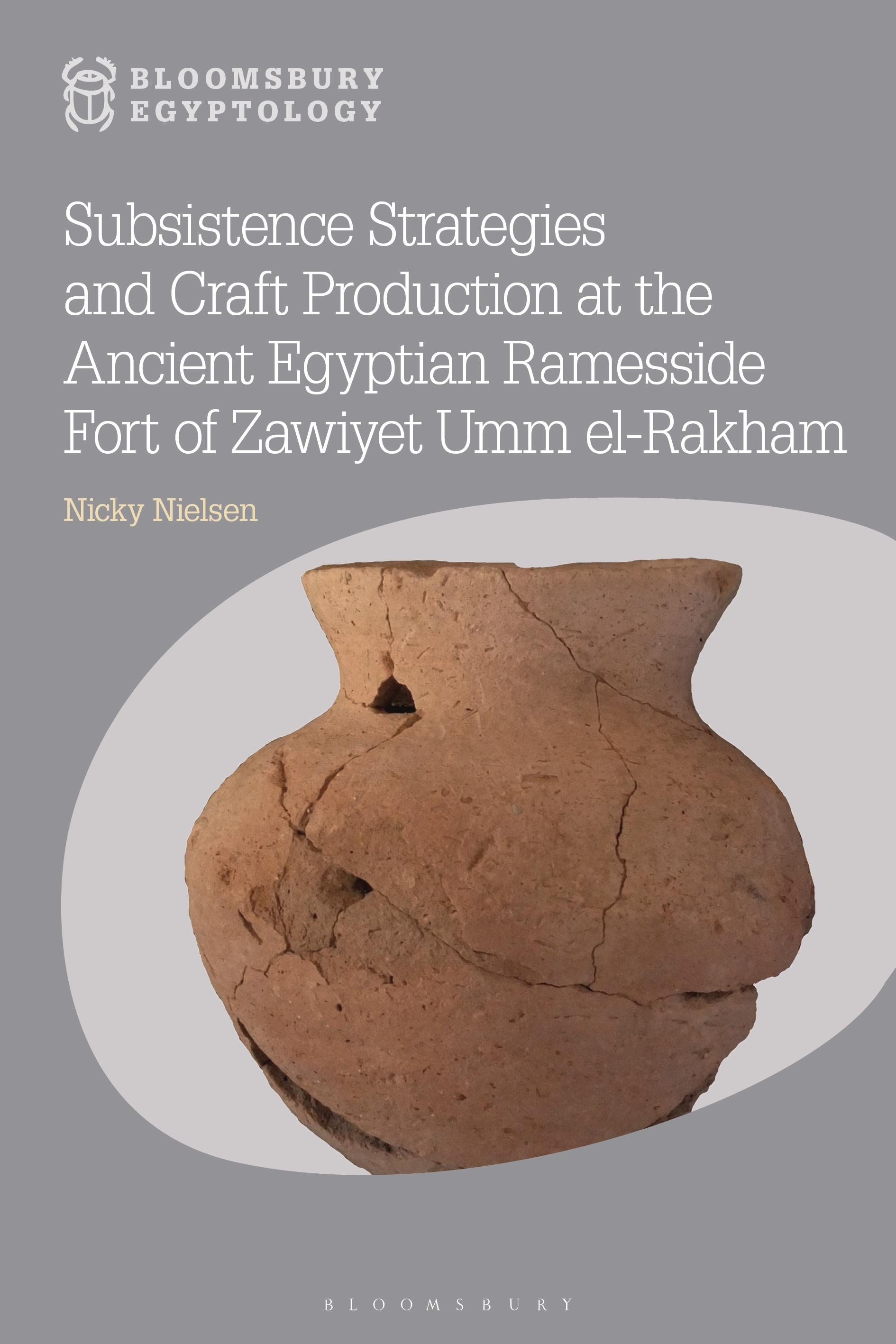
Drawing on more than 20 years of archaeological study and investigation at Zawiyet Umm el-Rakham by a team from the University of Liverpool (led by Professor Steven Snape), this book paints a nuanced picture of daily life not only at this liminal military site, but also in Ramesside Egypt more broadly. Constructed during the reign of Ramesses II, the fortified settlement was situated 300 kilometres west of Alexandria and represents the furthest western outpost of the Egyptian New Kingdom empire. Excavations in Area K of the fortress have uncovered extensive evidence for the living arrangements, minor industries, food production and daily life of the fort's inhabitants.
This previously unpublished material forms the bedrock of this volume, which focuses on analysing the various subsistence and craft production strategies that were conducted alongside each other in this area, from baking, brewing and butchery to lithics working, bone-carving and weaving. These traces of the activities of the soldiers and their families shed new light on what life was like at this military installation and for ordinary Egyptians more widely, shifting away from a focus on elite social groups. The archaeological evidence covered in this book prompts a re-evaluation of the realities of the relationship between Egyptians and Libyans at the close of the Late Bronze Age. The purpose of the fortress' construction was primarily defensive, however the surviving material points to co-operation by means of collaborative farming and trading, and provides a direct counterpoint to the more belligerent contemporary royal monumental inscriptions describing Egypto-Libyan relations.
This previously unpublished material forms the bedrock of this volume, which focuses on analysing the various subsistence and craft production strategies that were conducted alongside each other in this area, from baking, brewing and butchery to lithics working, bone-carving and weaving. These traces of the activities of the soldiers and their families shed new light on what life was like at this military installation and for ordinary Egyptians more widely, shifting away from a focus on elite social groups. The archaeological evidence covered in this book prompts a re-evaluation of the realities of the relationship between Egyptians and Libyans at the close of the Late Bronze Age. The purpose of the fortress' construction was primarily defensive, however the surviving material points to co-operation by means of collaborative farming and trading, and provides a direct counterpoint to the more belligerent contemporary royal monumental inscriptions describing Egypto-Libyan relations.
Pages: 232
Catégorie: Arkeologi & Antikvetenskap
e-ISBN: 9781350327399
Poids d'expédition: 1.2 kg
Expédié sous: 1-2 jours
Payez facilement par carte, Klarna, Apple Pay ou Google Pay. Pas satisfait ? Vous avez toujours une garantie de remboursement de 14 jours. En savoir plus dans nos conditions. Si vous avez des questions, envoyez-nous un e-mail à hello@memmo.org.
Memmo facilite tes études, où que tu sois dans le monde. On rassemble tes manuels de cours et des outils d'étude intelligents au même endroit : résumés, quiz, podcasts et flashcards. Et il y a Ted, ton compagnon d'étude qui répond à toutes tes questions. Plus de 50 000 étudiants étudient déjà ici – conçu pour t'aider à apprendre plus vite et à moins stresser.