
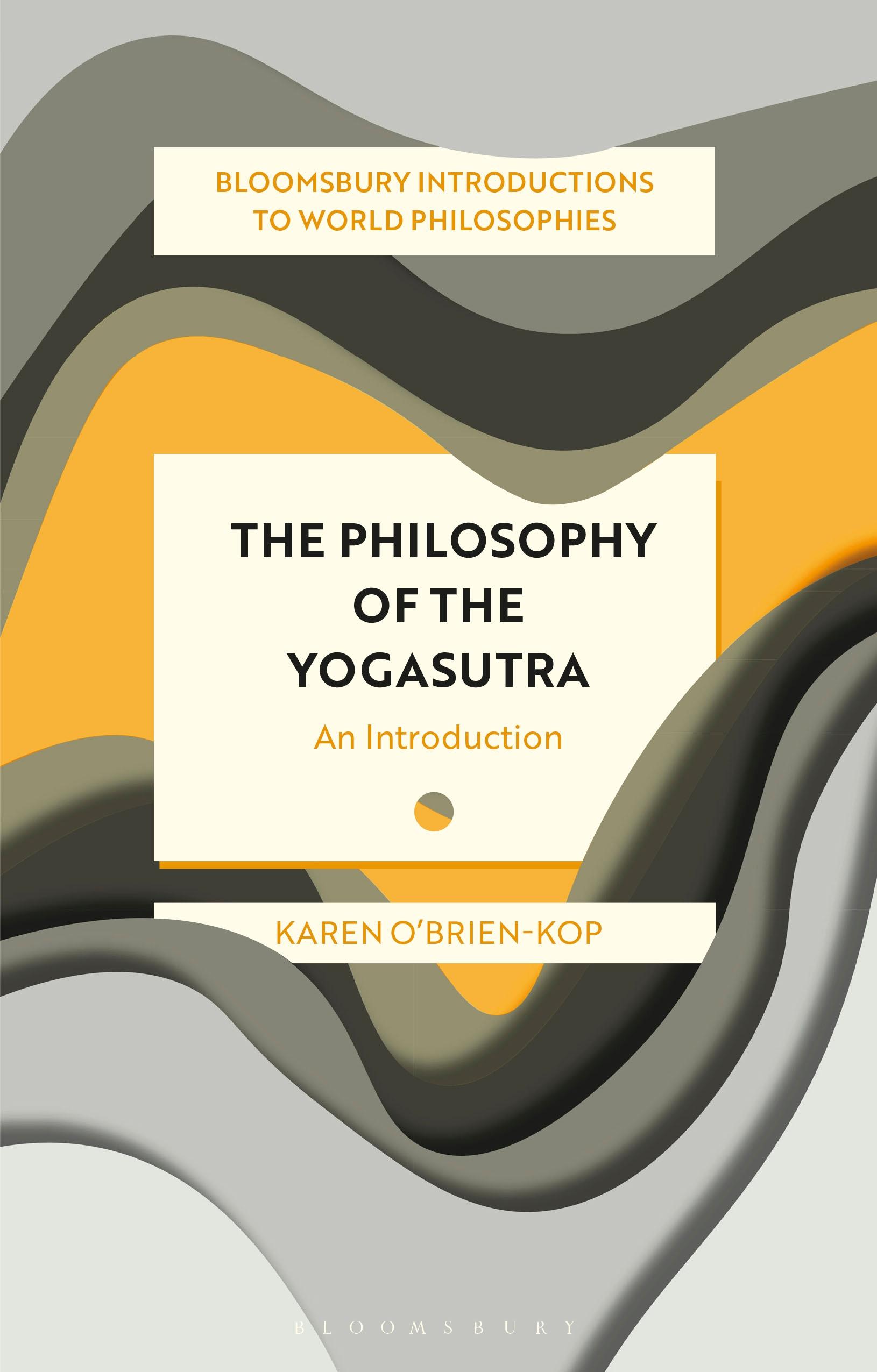
Karen O'Brien-Kop's introduction to the Yogasutra highlights its status as a significant work of philosophy. Approaching the Yogasutra as living philosophy, this book elucidates philosophical conceptions of yoga, recognises the logical structure the sutras follow and explains the rules and principles that have sustained Patañjali's system of thought for centuries.
Moving beyond standard interpretations of Patañjali's text and commentary as an aphoristic practice manual, O'Brien-Kop uses branches of philosophy to read the Yogasutra. Covering reality, self, ethics, language and knowledge, Patañjali's philosophies come to the fore. The book introduces his reasoned positions on dual and nondual metaphysics, the relationship between mind and body, the qualities of consciousness, the nature of freedom, and how to live ethically.
Carefully-selected extracts from the primary text are translated for those unfamiliar with Sanskrit and commentaries run throughout. A glossary provides definitions of key concepts with useful translations. Accessible and up-to-date, this introduction broadens our understanding of Indian philosophical thought and explains why the Yogasutra deserves to be read alongside Parmenides' 'On Nature' and Plato's Phaedo as a classic of world philosophy.
Moving beyond standard interpretations of Patañjali's text and commentary as an aphoristic practice manual, O'Brien-Kop uses branches of philosophy to read the Yogasutra. Covering reality, self, ethics, language and knowledge, Patañjali's philosophies come to the fore. The book introduces his reasoned positions on dual and nondual metaphysics, the relationship between mind and body, the qualities of consciousness, the nature of freedom, and how to live ethically.
Carefully-selected extracts from the primary text are translated for those unfamiliar with Sanskrit and commentaries run throughout. A glossary provides definitions of key concepts with useful translations. Accessible and up-to-date, this introduction broadens our understanding of Indian philosophical thought and explains why the Yogasutra deserves to be read alongside Parmenides' 'On Nature' and Plato's Phaedo as a classic of world philosophy.
Payez facilement par carte, Klarna, Apple Pay ou Google Pay. Pas satisfait ? Vous avez toujours une garantie de remboursement de 14 jours. En savoir plus dans nos conditions. Si vous avez des questions, envoyez-nous un e-mail à hello@memmo.org.
Memmo facilite tes études, où que tu sois dans le monde. On rassemble tes manuels de cours et des outils d'étude intelligents au même endroit : résumés, quiz, podcasts et flashcards. Et il y a Ted, ton compagnon d'étude qui répond à toutes tes questions. Plus de 50 000 étudiants étudient déjà ici – conçu pour t'aider à apprendre plus vite et à moins stresser.