
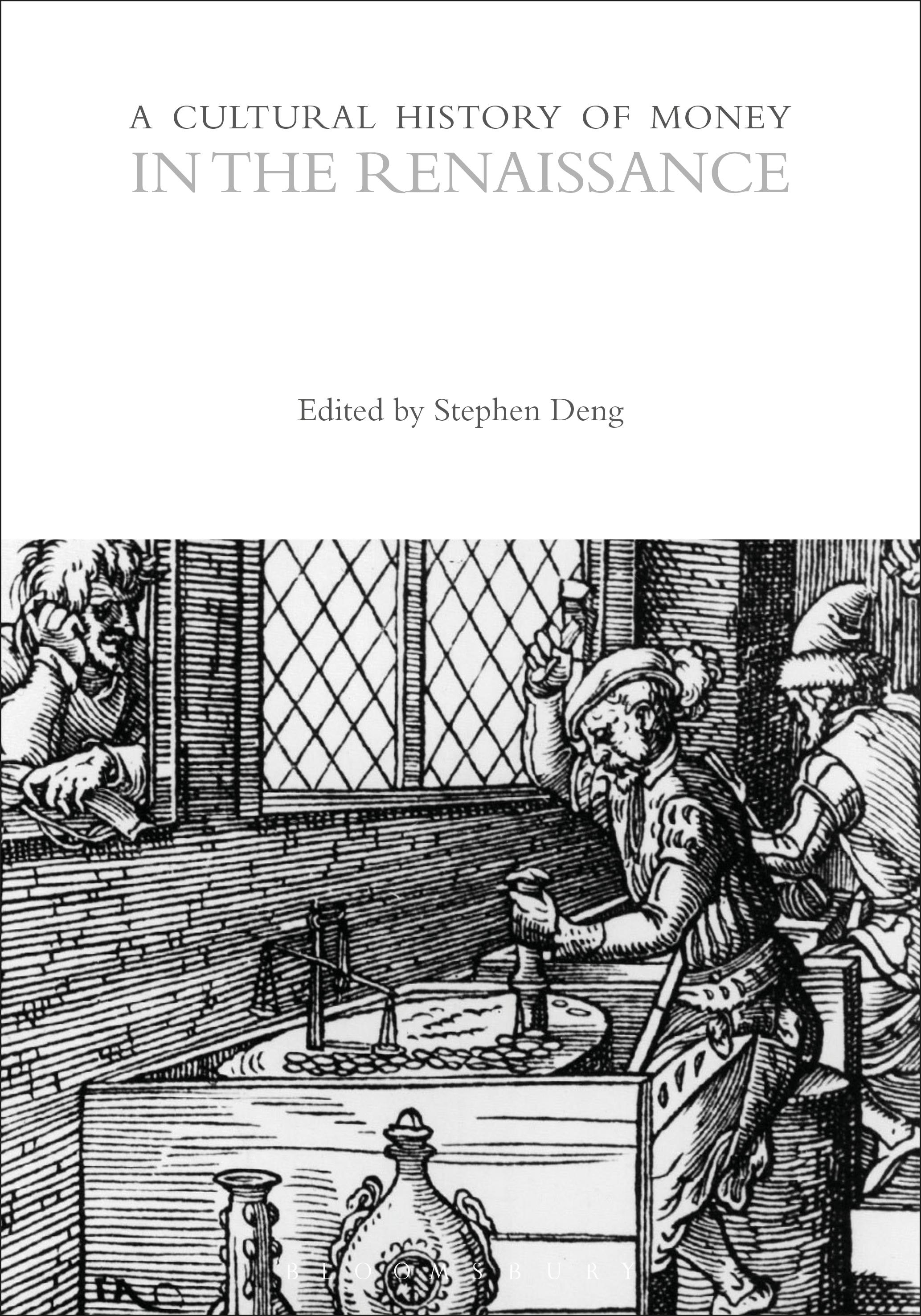
In a time before large banking systems, and with paper money just in its infancy, money during the Renaissance meant coinage (mainly gold and silver) and local credit systems. These monetary forms had a significant influence on the ways in which money was understood throughout the period, and shaped discussions on such topics as the meaning of monetary value, the economic, political, religious, and aesthetic uses of coinage, the moral implications of usury and credit systems, and the importance of reputation, both at the state and individual levels. Crucial to the transformation of ideas about money in the period was the growing awareness that the individuals, up to and including the monarch, were powerless to overcome the market forces that determined value and directed the movement of goods and money.
Drawing upon a wealth of visual and textual sources, A Cultural History of Money in the Renaissance presents essays that examine key cultural case studies of the period on the themes of technologies, ideas, ritual and religion, the everyday, art and representation, interpretation, and the issues of the age.
Drawing upon a wealth of visual and textual sources, A Cultural History of Money in the Renaissance presents essays that examine key cultural case studies of the period on the themes of technologies, ideas, ritual and religion, the everyday, art and representation, interpretation, and the issues of the age.
Payez facilement par carte, Klarna, Apple Pay ou Google Pay. Pas satisfait ? Vous avez toujours une garantie de remboursement de 14 jours. En savoir plus dans nos conditions. Si vous avez des questions, envoyez-nous un e-mail à hello@memmo.org.
Memmo facilite tes études, où que tu sois dans le monde. On rassemble tes manuels de cours et des outils d'étude intelligents au même endroit : résumés, quiz, podcasts et flashcards. Et il y a Ted, ton compagnon d'étude qui répond à toutes tes questions. Plus de 50 000 étudiants étudient déjà ici – conçu pour t'aider à apprendre plus vite et à moins stresser.