
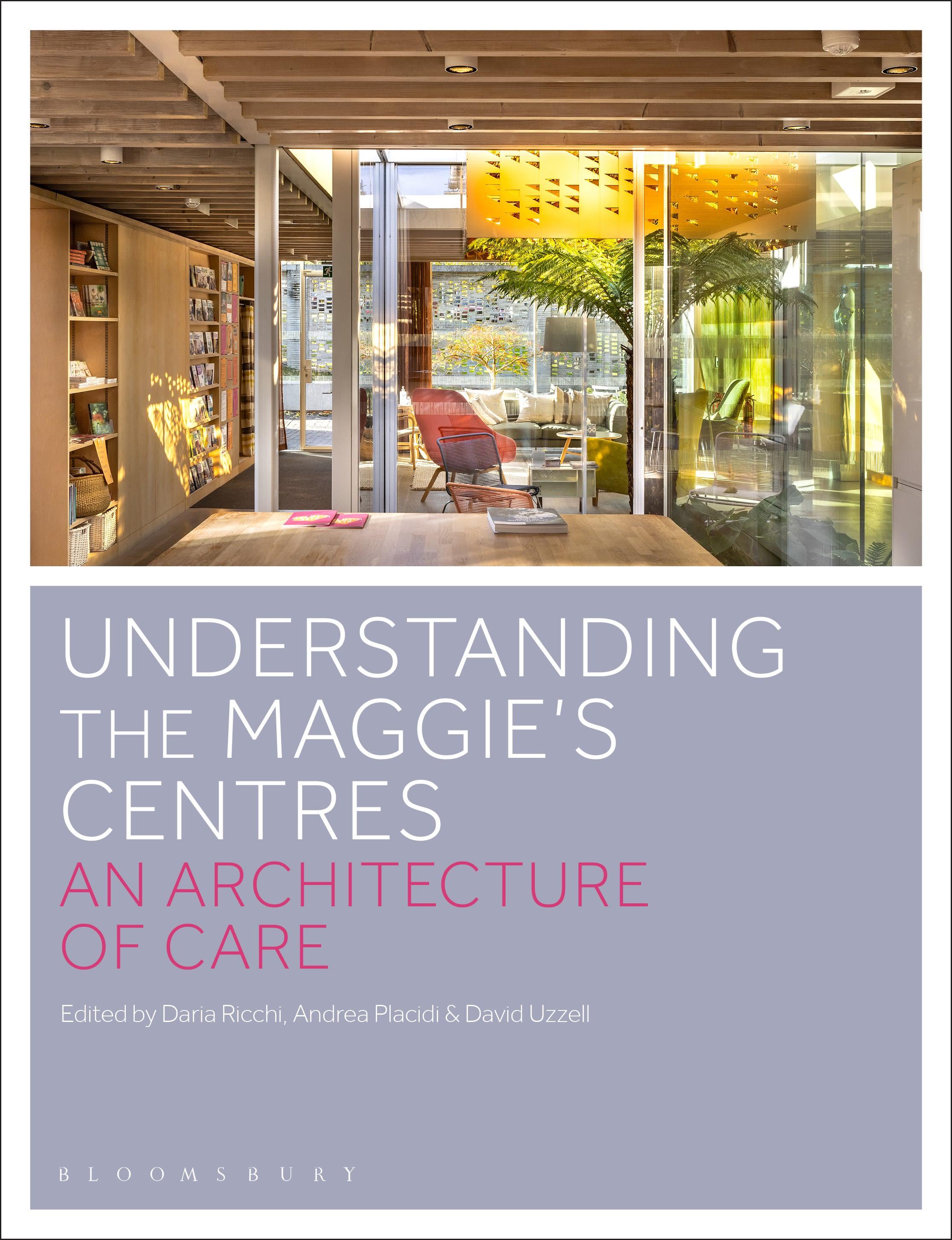
This book provides designers and students with an in-depth analysis of the architecture of the world-renowned Maggie's Centres, an international network of buildings offering support to people affected by cancer. Conceived by Maggie Keswick Jencks during her experience of terminal cancer, together with her husband Charles Jencks, landscape designer and architectural critic, the centres represent a radical rethinking of care environments.
Focusing on the relationship between architectural form and social activity, the book examines how and why the Maggie's centres are so successful-addressing themes from the brief (Maggie Jencks' 'Blueprint'), through the manipulation of sensory and atmospheric qualities, to the role of the surrounding environment in providing occupants with a sense of refuge and comfort. The book also includes a comparative review of over 30 Maggie's centres, designed by a select list of celebrated architects (including Frank Gehry, Zaha Hadid, Richard Rogers, and Snøhetta) and features over 60 pages of building information-an invaluable reference source for designers alongside the main thematic discussion.
The success of the Maggie's centres has important global implications for the improvement of the design of care structures and therapeutic environments. The centres have established a flexible design methodology capable of uplifting the quality of life of the people involved. By helping to understand and identify these parameters, this book offers important insights for all students, scholars, and professionals involved in healthcare architecture, architecture for social care, as well as all those interested in the broad impact of architectural environments on people.
Focusing on the relationship between architectural form and social activity, the book examines how and why the Maggie's centres are so successful-addressing themes from the brief (Maggie Jencks' 'Blueprint'), through the manipulation of sensory and atmospheric qualities, to the role of the surrounding environment in providing occupants with a sense of refuge and comfort. The book also includes a comparative review of over 30 Maggie's centres, designed by a select list of celebrated architects (including Frank Gehry, Zaha Hadid, Richard Rogers, and Snøhetta) and features over 60 pages of building information-an invaluable reference source for designers alongside the main thematic discussion.
The success of the Maggie's centres has important global implications for the improvement of the design of care structures and therapeutic environments. The centres have established a flexible design methodology capable of uplifting the quality of life of the people involved. By helping to understand and identify these parameters, this book offers important insights for all students, scholars, and professionals involved in healthcare architecture, architecture for social care, as well as all those interested in the broad impact of architectural environments on people.
Pages: 232
Catégorie: Arkitektur & Stadsplanering
e-ISBN: 9781350234949
Poids d'expédition: 1.2 kg
Expédié sous: 1-2 jours
Payez facilement par carte, Klarna, Apple Pay ou Google Pay. Pas satisfait ? Vous avez toujours une garantie de remboursement de 14 jours. En savoir plus dans nos conditions. Si vous avez des questions, envoyez-nous un e-mail à hello@memmo.org.
Memmo facilite tes études, où que tu sois dans le monde. On rassemble tes manuels de cours et des outils d'étude intelligents au même endroit : résumés, quiz, podcasts et flashcards. Et il y a Ted, ton compagnon d'étude qui répond à toutes tes questions. Plus de 50 000 étudiants étudient déjà ici – conçu pour t'aider à apprendre plus vite et à moins stresser.