
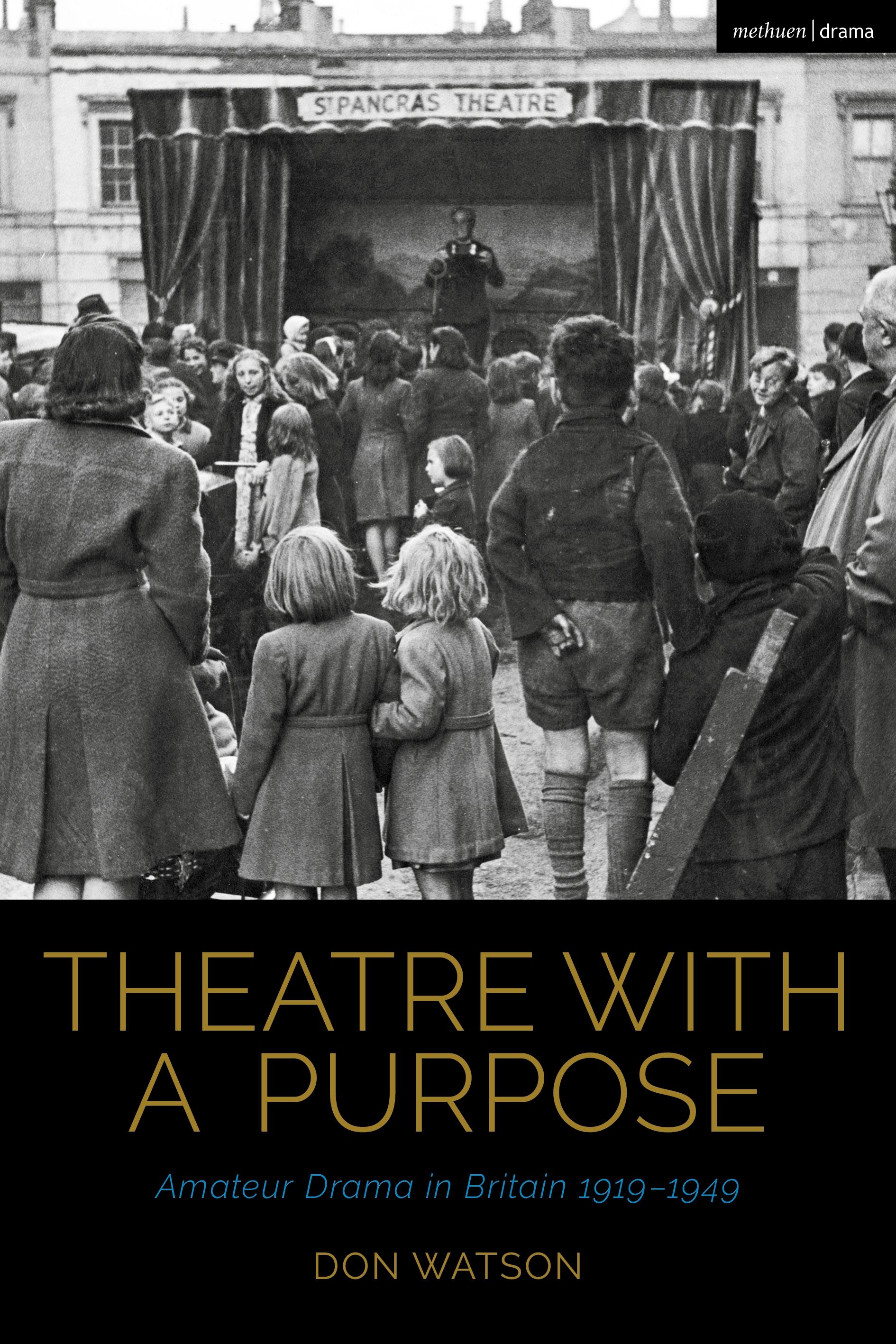
This study of British amateur theatre in the inter-war period examines five different but interwoven examples of the belief, common in theatrical and educational circles at the time, that amateur drama had a purpose beyond recreation.
Amateur theatre was at the height of its popularity as a cultural practice between the wars, so that by 1939 more British people had practical experience of putting on plays than at any time before or since.
Providing an original account of the use of drama in adult education projects in deprived areas, and of amateur theatre in government-funded centres for the unemployed in the 1930s, it discusses repertoires, participation by working- class people and pioneering techniques of play-making. Amateur drama festivals and competitions were intended to raise standards and educate audiences. This book assesses their effect on play-making, and the use of innovative one-act plays to express contentious material, as well as looking at the Left Book Club Theatre Guild as an attempt to align the amateur theatre movement with anti-fascist and anti-war movements. A chapter on the Second World War rectifies the neglect of amateur theatre in war-time cultural studies, arguing that it was present and important in every aspect of war-time life.
Don Watson builds on current scholarship and makes use of archival sources, local newspapers, unpublished scripts and the records of organizations not usually associated with the theatre. His work explores the range and diversity of amateur drama between the wars and the contributions it made to British theatre.
Amateur theatre was at the height of its popularity as a cultural practice between the wars, so that by 1939 more British people had practical experience of putting on plays than at any time before or since.
Providing an original account of the use of drama in adult education projects in deprived areas, and of amateur theatre in government-funded centres for the unemployed in the 1930s, it discusses repertoires, participation by working- class people and pioneering techniques of play-making. Amateur drama festivals and competitions were intended to raise standards and educate audiences. This book assesses their effect on play-making, and the use of innovative one-act plays to express contentious material, as well as looking at the Left Book Club Theatre Guild as an attempt to align the amateur theatre movement with anti-fascist and anti-war movements. A chapter on the Second World War rectifies the neglect of amateur theatre in war-time cultural studies, arguing that it was present and important in every aspect of war-time life.
Don Watson builds on current scholarship and makes use of archival sources, local newspapers, unpublished scripts and the records of organizations not usually associated with the theatre. His work explores the range and diversity of amateur drama between the wars and the contributions it made to British theatre.
Pages: 224
Catégorie: Drama, Teater & Scenkonst
e-ISBN: 9781350232051
Poids d'expédition: 1.2 kg
Expédié sous: 1-2 jours
Payez facilement par carte, Klarna, Apple Pay ou Google Pay. Pas satisfait ? Vous avez toujours une garantie de remboursement de 14 jours. En savoir plus dans nos conditions. Si vous avez des questions, envoyez-nous un e-mail à hello@memmo.org.
Memmo facilite tes études, où que tu sois dans le monde. On rassemble tes manuels de cours et des outils d'étude intelligents au même endroit : résumés, quiz, podcasts et flashcards. Et il y a Ted, ton compagnon d'étude qui répond à toutes tes questions. Plus de 50 000 étudiants étudient déjà ici – conçu pour t'aider à apprendre plus vite et à moins stresser.