
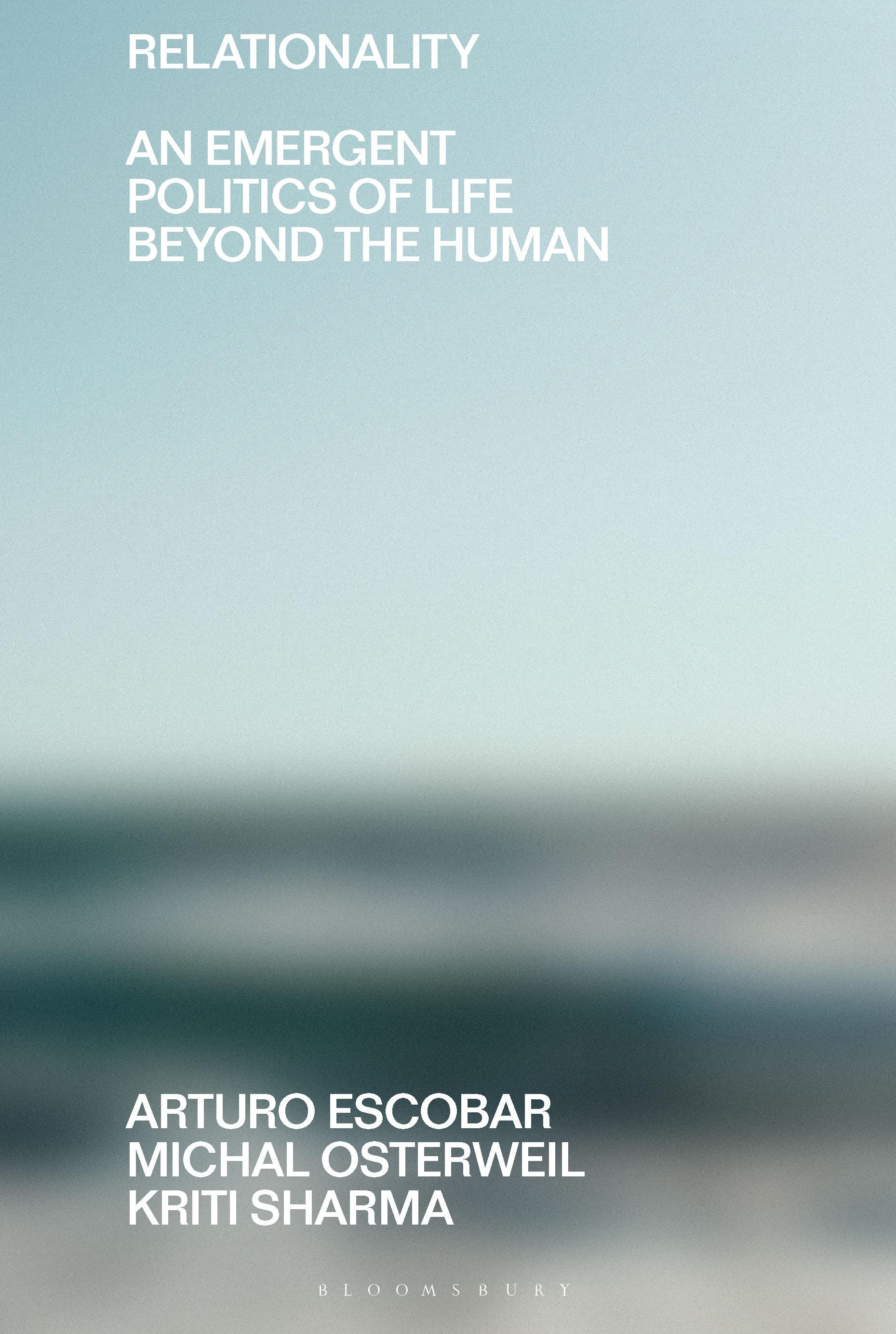
This important new book argues that at the root of the contemporary crisis of climate, energy, food, inequality, and meaning is a certain core presupposition that structures the ways in which we live, think, act and design: the assumption of dualism, or the fundamental separateness of things.
The authors contend that the key to constructing livable worlds lies in the cultivation of ways of knowing and acting based on a profound awareness of the fundamental interdependence of everything that exists – what they refer to as relationality. This shift in paradigm is necessary for healing our bodies, ecosystems, cities, and the planet at large.
The book follows two interwoven threads of argumentation: on the one hand, it explains and exemplifies the modes of operation and the dire consequences of non-relational living; on the other, it elucidates the nature of relationality and explores how it is embodied in transformative practices in multiple spheres of life.
The authors provide an instructive account of the philosophical, scientific, social, and political sources of relational theory and action, with the aim of illuminating the transition from living within seemingly ineluctable 'toxic loops' of unrelational living (based on ontological dualism), to living within 'relational weaves' which we might co-create with multiple human and nonhuman others.
The authors contend that the key to constructing livable worlds lies in the cultivation of ways of knowing and acting based on a profound awareness of the fundamental interdependence of everything that exists – what they refer to as relationality. This shift in paradigm is necessary for healing our bodies, ecosystems, cities, and the planet at large.
The book follows two interwoven threads of argumentation: on the one hand, it explains and exemplifies the modes of operation and the dire consequences of non-relational living; on the other, it elucidates the nature of relationality and explores how it is embodied in transformative practices in multiple spheres of life.
The authors provide an instructive account of the philosophical, scientific, social, and political sources of relational theory and action, with the aim of illuminating the transition from living within seemingly ineluctable 'toxic loops' of unrelational living (based on ontological dualism), to living within 'relational weaves' which we might co-create with multiple human and nonhuman others.
Pages: 232
Catégorie: Samhällsvetenskap
e-ISBN: 9781350225985
Poids d'expédition: 1.2 kg
Expédié sous: 1-2 jours
Payez facilement par carte, Klarna, Apple Pay ou Google Pay. Pas satisfait ? Vous avez toujours une garantie de remboursement de 14 jours. En savoir plus dans nos conditions. Si vous avez des questions, envoyez-nous un e-mail à hello@memmo.org.
Memmo facilite tes études, où que tu sois dans le monde. On rassemble tes manuels de cours et des outils d'étude intelligents au même endroit : résumés, quiz, podcasts et flashcards. Et il y a Ted, ton compagnon d'étude qui répond à toutes tes questions. Plus de 50 000 étudiants étudient déjà ici – conçu pour t'aider à apprendre plus vite et à moins stresser.