
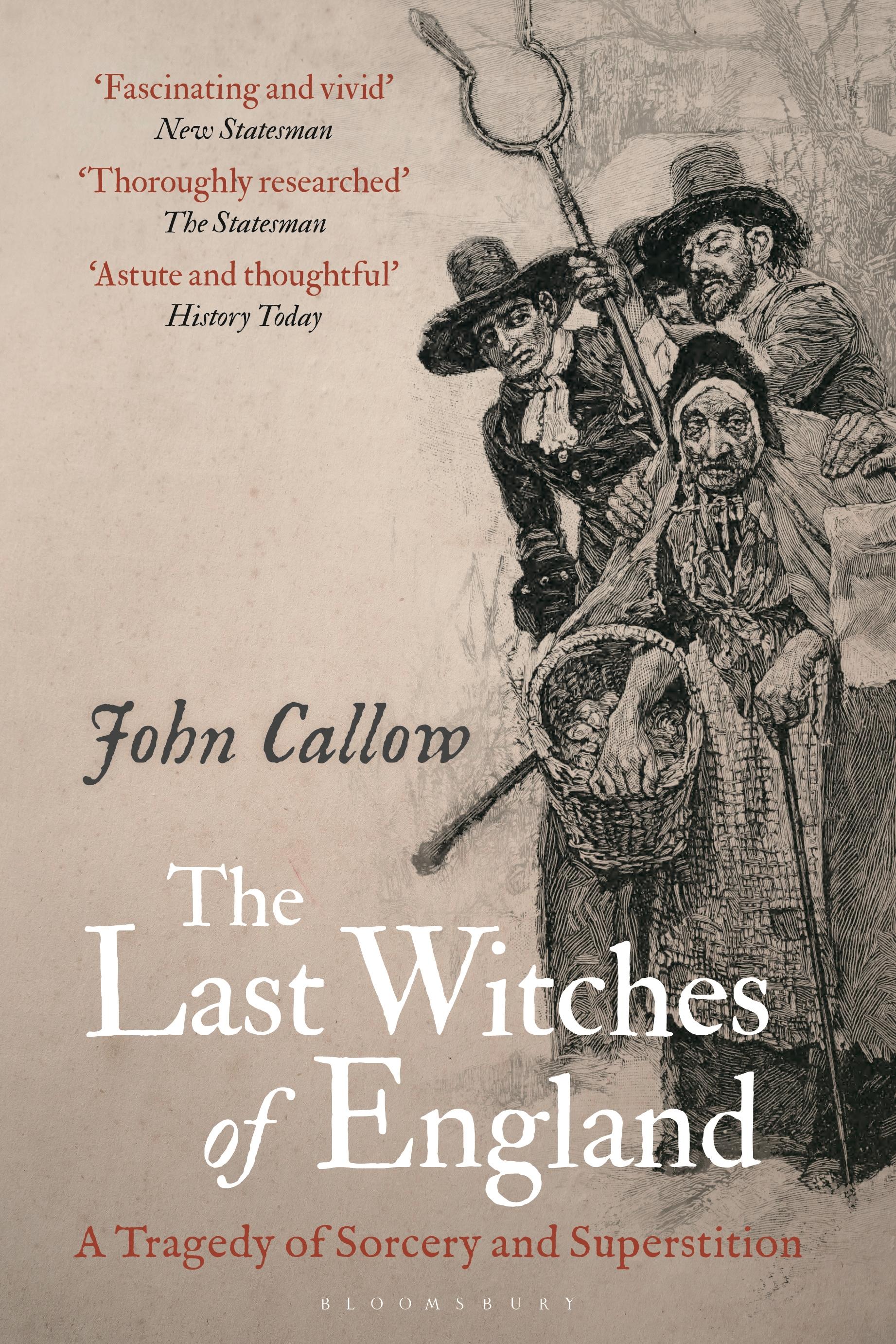
"Fascinating and vivid." New Statesman
"Thoroughly researched." The Spectator
"Intriguing." BBC History Magazine
"Vividly told." BBC History Revealed
"A timely warning against persecution." Morning Star
"Astute and thoughtful." History Today
"An important work." All About History
"Well-researched." The Tablet
On the morning of Thursday 29 June 1682, a magpie came rasping, rapping and tapping at the window of a prosperous Devon merchant. Frightened by its appearance, his servants and members of his family had, within a matter of hours, convinced themselves that the bird was an emissary of the devil sent by witches to destroy the fabric of their lives. As the result of these allegations, three women of Bideford came to be forever defined as witches. A Secretary of State brushed aside their case and condemned them to the gallows; to hang as the last group of women to be executed in England for the crime. Yet, the hatred of their neighbours endured. For Bideford, it was said, was a place of witches.
Though 'pretty much worn away' the belief in witchcraft still lingered on for more than a century after their deaths. In turn, ignored, reviled, and extinguished but never more than half-forgotten, it seems that the memory of these three women - and of their deeds and sufferings, both real and imagined – was transformed from canker to regret, and from regret into celebration in our own age. Indeed, their example was cited during the final Parliamentary debates, in 1951, that saw the last of the witchcraft acts repealed, and their names were chanted, as both inspiration and incantation, by the women beyond the wire at Greenham Common.
In this book, John Callow explores this remarkable reversal of fate, and the remarkable tale of the Bideford Witches.
"Thoroughly researched." The Spectator
"Intriguing." BBC History Magazine
"Vividly told." BBC History Revealed
"A timely warning against persecution." Morning Star
"Astute and thoughtful." History Today
"An important work." All About History
"Well-researched." The Tablet
On the morning of Thursday 29 June 1682, a magpie came rasping, rapping and tapping at the window of a prosperous Devon merchant. Frightened by its appearance, his servants and members of his family had, within a matter of hours, convinced themselves that the bird was an emissary of the devil sent by witches to destroy the fabric of their lives. As the result of these allegations, three women of Bideford came to be forever defined as witches. A Secretary of State brushed aside their case and condemned them to the gallows; to hang as the last group of women to be executed in England for the crime. Yet, the hatred of their neighbours endured. For Bideford, it was said, was a place of witches.
Though 'pretty much worn away' the belief in witchcraft still lingered on for more than a century after their deaths. In turn, ignored, reviled, and extinguished but never more than half-forgotten, it seems that the memory of these three women - and of their deeds and sufferings, both real and imagined – was transformed from canker to regret, and from regret into celebration in our own age. Indeed, their example was cited during the final Parliamentary debates, in 1951, that saw the last of the witchcraft acts repealed, and their names were chanted, as both inspiration and incantation, by the women beyond the wire at Greenham Common.
In this book, John Callow explores this remarkable reversal of fate, and the remarkable tale of the Bideford Witches.
Payez facilement par carte, Klarna, Apple Pay ou Google Pay. Pas satisfait ? Vous avez toujours une garantie de remboursement de 14 jours. En savoir plus dans nos conditions. Si vous avez des questions, envoyez-nous un e-mail à hello@memmo.org.
Memmo facilite tes études, où que tu sois dans le monde. On rassemble tes manuels de cours et des outils d'étude intelligents au même endroit : résumés, quiz, podcasts et flashcards. Et il y a Ted, ton compagnon d'étude qui répond à toutes tes questions. Plus de 50 000 étudiants étudient déjà ici – conçu pour t'aider à apprendre plus vite et à moins stresser.