
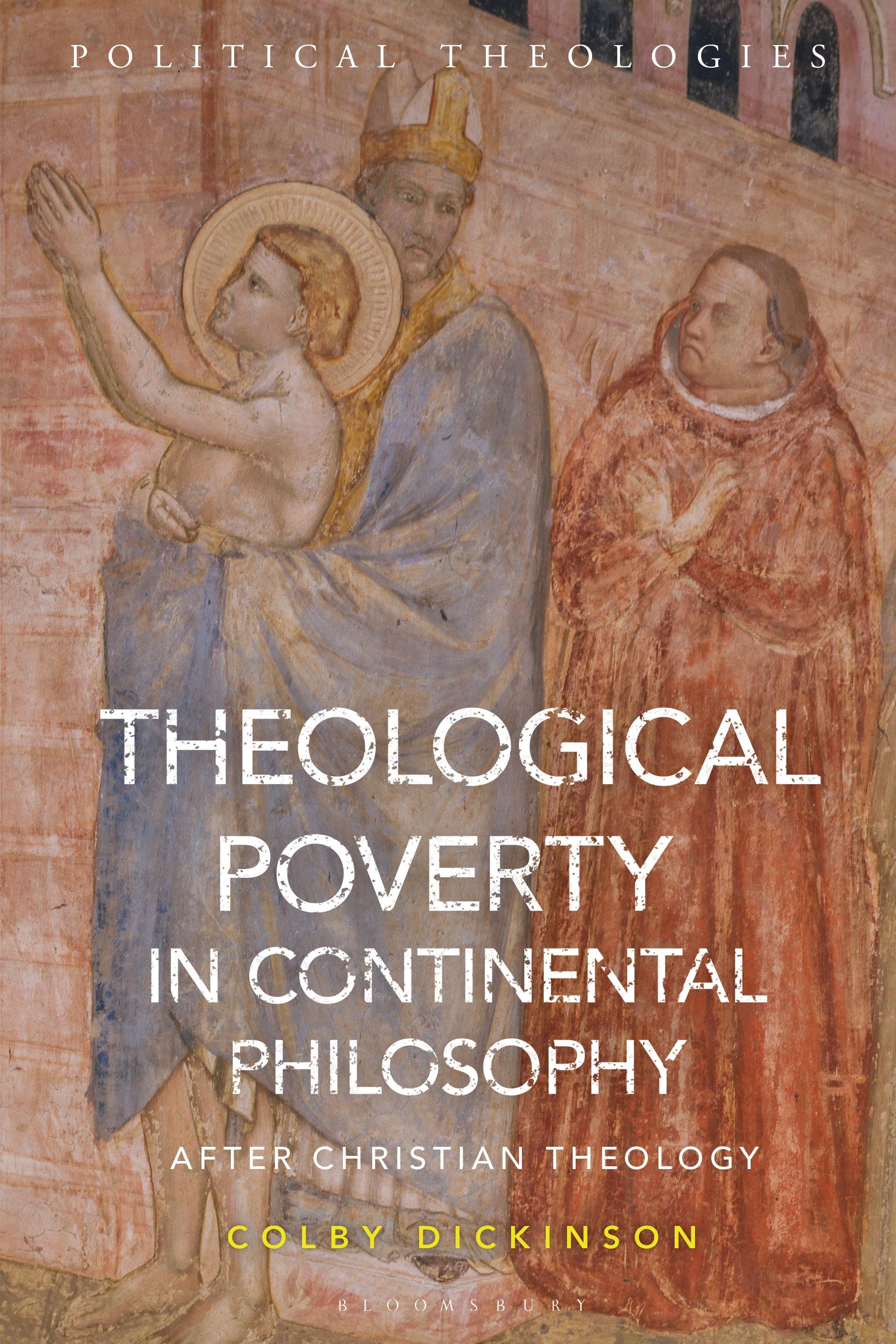
Colby Dickinson proposes a new political theology rooted in the intersections between continental philosophy, heterodox theology, and orthodox theology. Moving beyond the idea that there is an irresolvable tension at the heart of theological discourse, the conflict between the two poles of theology is made intelligible. Dickinson discusses the opposing poles simply as manifestations of reform and revolution, characteristics intrinsic to the nature of theological discourse itself. Outlining the illuminating space of theology, Theological Poverty in Continental Philosophy breaks new ground for critical theology and continental philosophy.
Within the theology of poverty, the believer renounces the worldly for the divine. Through this focus on the poverty intrinsic to religious calling, the potential for cross-pollination between the theological and the secular is highlighted. Ultimately situating the virtue of theological poverty within a poststructuralist, postmodern world, Dickinson is not content to position Christian philosophy as the superior theological position, moving away from the absolute values of one tradition over another.
This universalising of theological poverty through core and uniting concepts like grace, negation, violence and paradox reveal the theory's transmutable strength. By joining up critical theology and the philosophy of religion in this way, the book broadens the possibility of a critical dialogue both between and within disciplines.
Within the theology of poverty, the believer renounces the worldly for the divine. Through this focus on the poverty intrinsic to religious calling, the potential for cross-pollination between the theological and the secular is highlighted. Ultimately situating the virtue of theological poverty within a poststructuralist, postmodern world, Dickinson is not content to position Christian philosophy as the superior theological position, moving away from the absolute values of one tradition over another.
This universalising of theological poverty through core and uniting concepts like grace, negation, violence and paradox reveal the theory's transmutable strength. By joining up critical theology and the philosophy of religion in this way, the book broadens the possibility of a critical dialogue both between and within disciplines.
Payez facilement par carte, Klarna, Apple Pay ou Google Pay. Pas satisfait ? Vous avez toujours une garantie de remboursement de 14 jours. En savoir plus dans nos conditions. Si vous avez des questions, envoyez-nous un e-mail à hello@memmo.org.
Memmo facilite tes études, où que tu sois dans le monde. On rassemble tes manuels de cours et des outils d'étude intelligents au même endroit : résumés, quiz, podcasts et flashcards. Et il y a Ted, ton compagnon d'étude qui répond à toutes tes questions. Plus de 50 000 étudiants étudient déjà ici – conçu pour t'aider à apprendre plus vite et à moins stresser.