
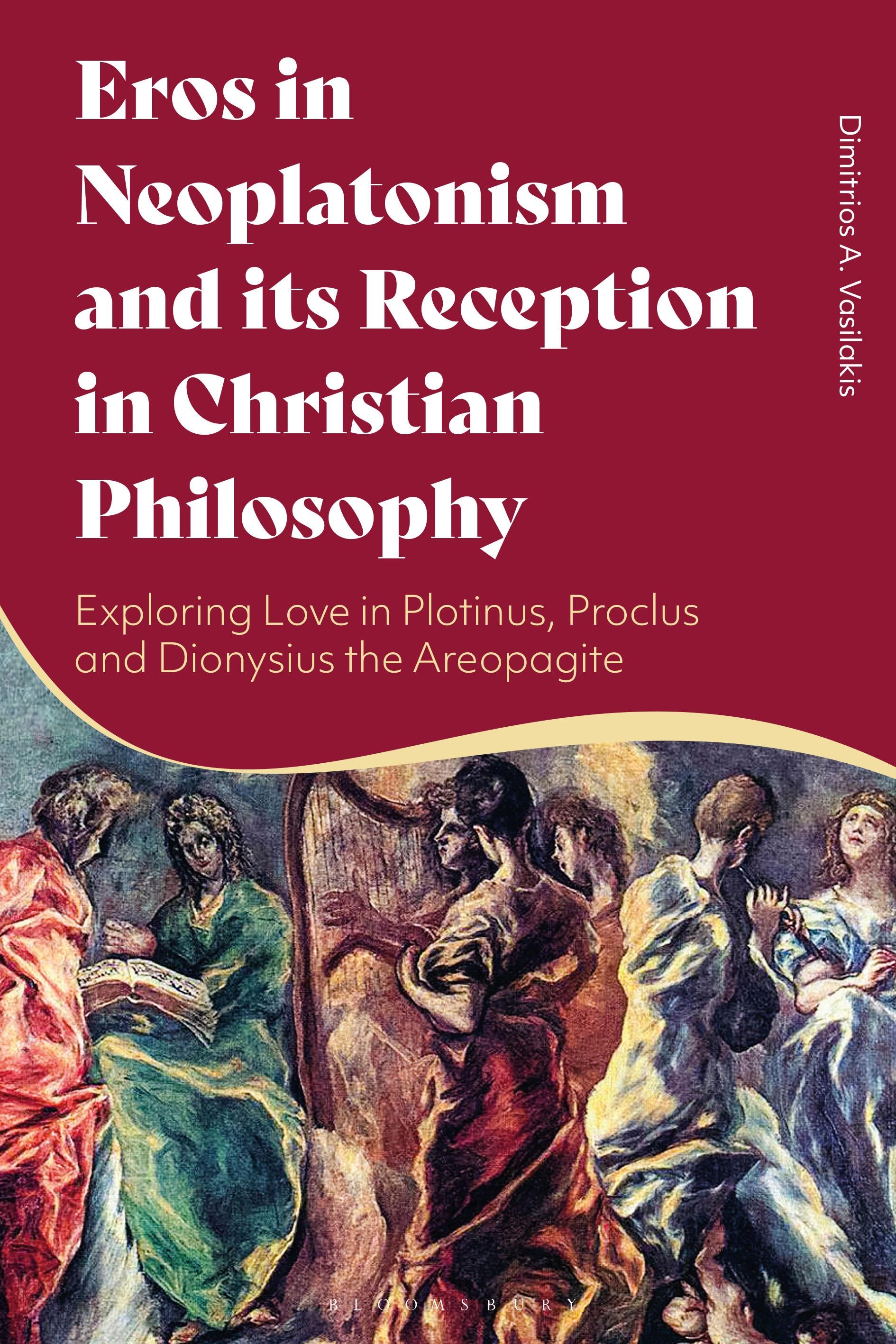
Showing the ontological importance of eros within the philosophical systems inspired by Plato, Dimitrios A. Vasilakis examines the notion of eros in key texts of the Neoplatonic philosophers, Plotinus, Proclus, and the Church Father, Dionysius the Areopagite.
Outlining the divergences and convergences between the three brings forward the core idea of love as deficiency in Plotinus and charts how this is transformed into plenitude in Proclus and Dionysius. Does Proclus diverge from Plotinus in his hierarchical scheme of eros? Is the Dionysian hierarchy to be identified with Proclus' classification of love? By analysing The Enneads, III.5, the Commentary on the First Alcibiades and the Divine Names side by side, Vasilakis uses a wealth of modern scholarship, including contemporary Greek literature to explore these questions, tracing a clear historical line between the three seminal late antique thinkers.
Outlining the divergences and convergences between the three brings forward the core idea of love as deficiency in Plotinus and charts how this is transformed into plenitude in Proclus and Dionysius. Does Proclus diverge from Plotinus in his hierarchical scheme of eros? Is the Dionysian hierarchy to be identified with Proclus' classification of love? By analysing The Enneads, III.5, the Commentary on the First Alcibiades and the Divine Names side by side, Vasilakis uses a wealth of modern scholarship, including contemporary Greek literature to explore these questions, tracing a clear historical line between the three seminal late antique thinkers.
Payez facilement par carte, Klarna, Apple Pay ou Google Pay. Pas satisfait ? Vous avez toujours une garantie de remboursement de 14 jours. En savoir plus dans nos conditions. Si vous avez des questions, envoyez-nous un e-mail à hello@memmo.org.
Memmo facilite tes études, où que tu sois dans le monde. On rassemble tes manuels de cours et des outils d'étude intelligents au même endroit : résumés, quiz, podcasts et flashcards. Et il y a Ted, ton compagnon d'étude qui répond à toutes tes questions. Plus de 50 000 étudiants étudient déjà ici – conçu pour t'aider à apprendre plus vite et à moins stresser.