
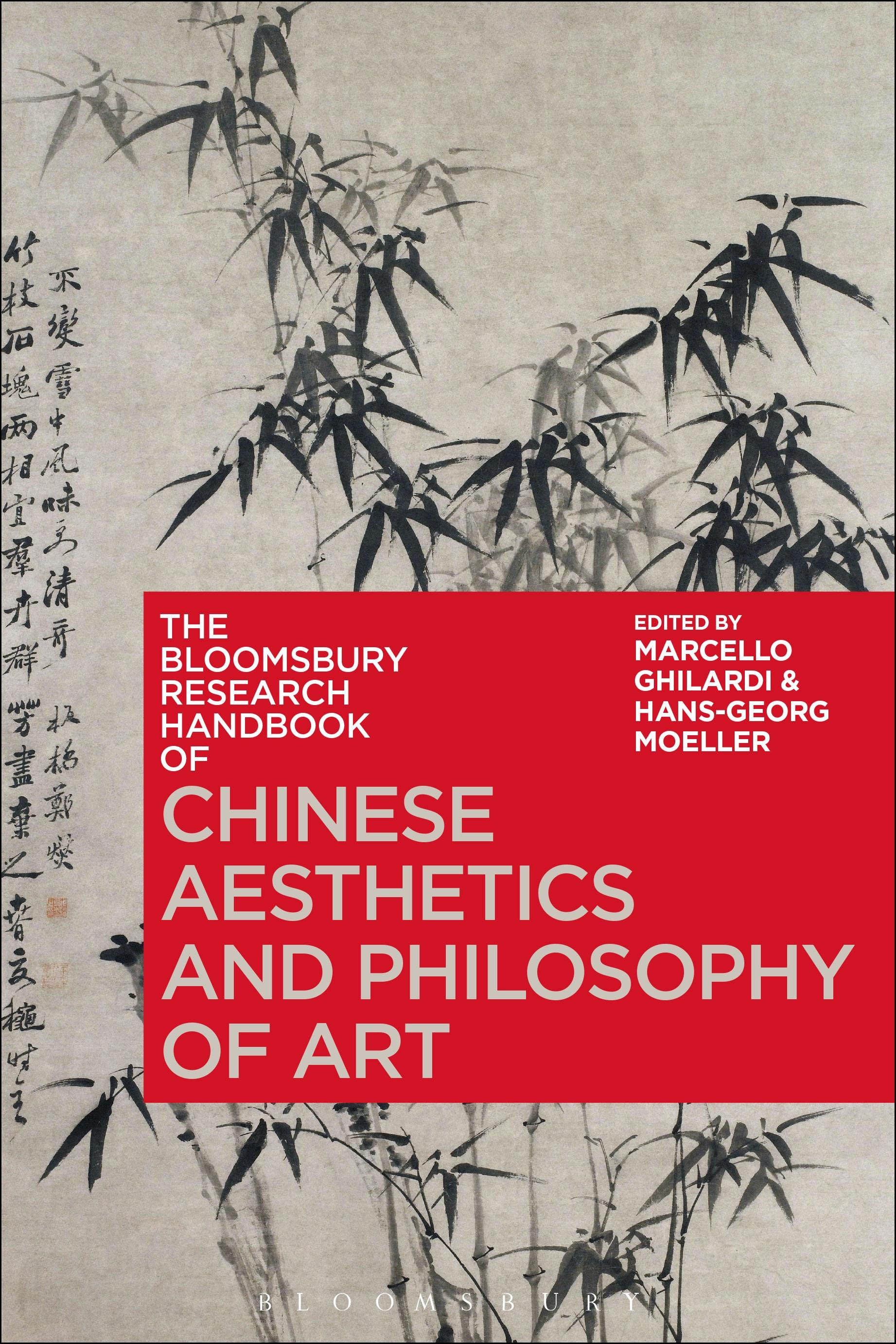
For anyone working in aesthetics interested in understanding the richness of the Chinese aesthetic tradition this handbook is the place to start. Comprised of general introductory overviews, critical reflections and contextual analysis, it covers everything from the origins of aesthetics in China to the role of aesthetics in philosophy today.
Beginning in early China (1st millennium BCE), it traces the Chinese aesthetic tradition, exploring the import of the term aesthetics into Chinese thought via Japan around the end of the 19th century. It looks back to early practices of art and craftsmanship, showing how the history of Chinese thought provides a multitude of artefacts and texts that give rise to a wide range of aesthetic creations and notions. Introducing various perspectives on traditional arts in China, including painting, ceramics, calligraphy, poetry, music and theatre, it explores those aesthetic traditions not included in “canonic” art forms, such as martial arts, rock gardening, and ritual performance.
Written by Chinese, European, and American theoreticians and practitioners, this authoritative research resource enhances contemporary aesthetics by revealing the possibilities of a Chinese philosophy of art.
Beginning in early China (1st millennium BCE), it traces the Chinese aesthetic tradition, exploring the import of the term aesthetics into Chinese thought via Japan around the end of the 19th century. It looks back to early practices of art and craftsmanship, showing how the history of Chinese thought provides a multitude of artefacts and texts that give rise to a wide range of aesthetic creations and notions. Introducing various perspectives on traditional arts in China, including painting, ceramics, calligraphy, poetry, music and theatre, it explores those aesthetic traditions not included in “canonic” art forms, such as martial arts, rock gardening, and ritual performance.
Written by Chinese, European, and American theoreticians and practitioners, this authoritative research resource enhances contemporary aesthetics by revealing the possibilities of a Chinese philosophy of art.
Payez facilement par carte, Klarna, Apple Pay ou Google Pay. Pas satisfait ? Vous avez toujours une garantie de remboursement de 14 jours. En savoir plus dans nos conditions. Si vous avez des questions, envoyez-nous un e-mail à hello@memmo.org.
Memmo facilite tes études, où que tu sois dans le monde. On rassemble tes manuels de cours et des outils d'étude intelligents au même endroit : résumés, quiz, podcasts et flashcards. Et il y a Ted, ton compagnon d'étude qui répond à toutes tes questions. Plus de 50 000 étudiants étudient déjà ici – conçu pour t'aider à apprendre plus vite et à moins stresser.