
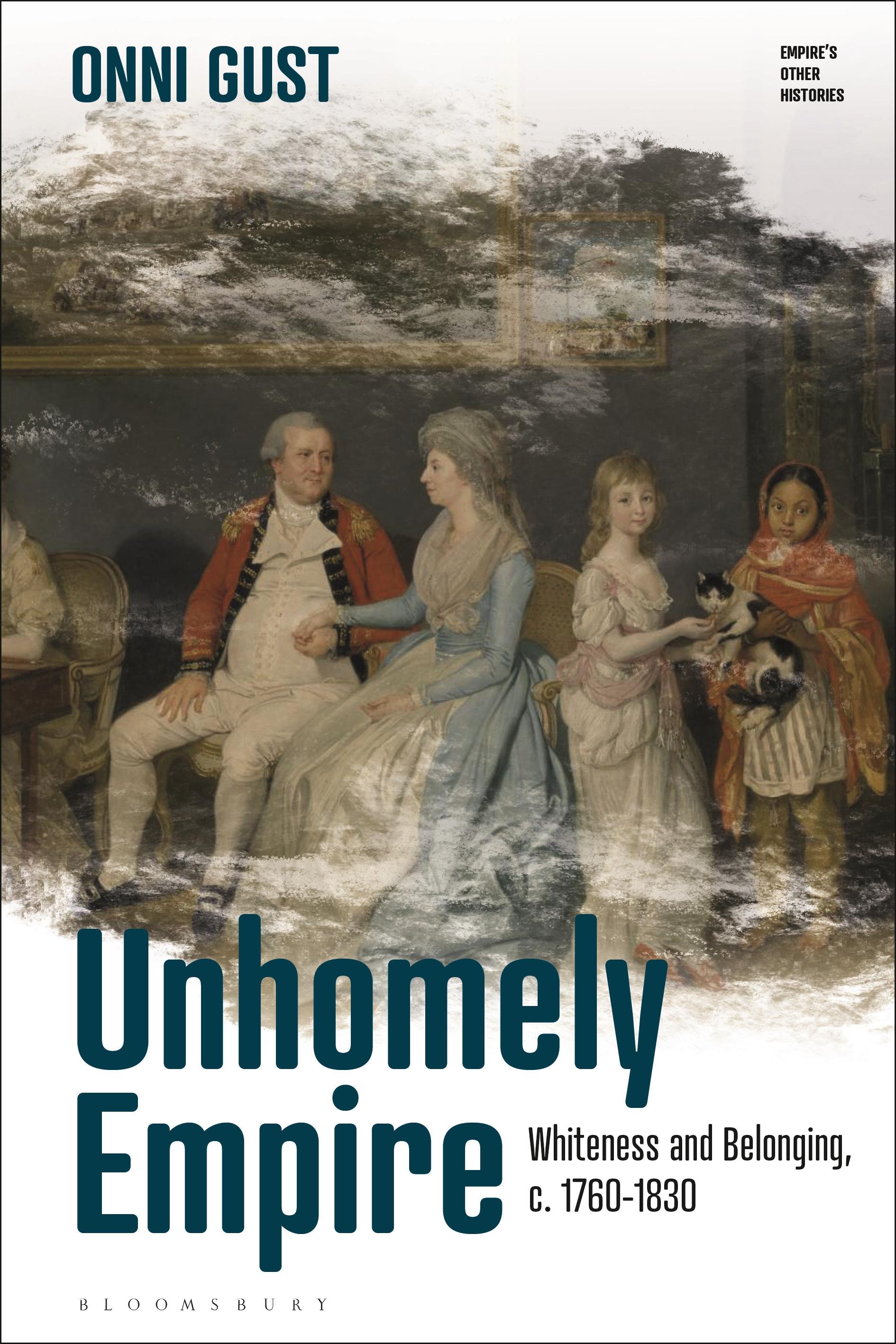
This book examines the role of Scottish Enlightenment ideas of belonging in the construction and circulation of white supremacist thought that sought to justify British imperial rule. During the 18th century, European imperial expansion radically increased population mobility through the forging of new trade routes, war, disease, enslavement and displacement. In this book, Onni Gust argues that this mass movement intersected with philosophical debates over what it meant to belong to a nation, civilization, and even humanity itself.
Unhomely Empire maps the consolidation of a Scottish Enlightenment discourse of 'home' and 'exile' through three inter-related case studies and debates; slavery and abolition in the Caribbean, Scottish Highland emigration to North America, and raising white girls in colonial India. Playing out over poetry, political pamphlets, travel writing, philosophy, letters and diaries, these debates offer a unique insight into the movement of ideas across a British imperial literary network. Using this rich cultural material, Gust argues that whiteness was central to 19th-century liberal imperialism's understanding of belonging, whilst emotional attachment and the perceived ability, or inability, to belong were key concepts in constructions of racial difference.
Unhomely Empire maps the consolidation of a Scottish Enlightenment discourse of 'home' and 'exile' through three inter-related case studies and debates; slavery and abolition in the Caribbean, Scottish Highland emigration to North America, and raising white girls in colonial India. Playing out over poetry, political pamphlets, travel writing, philosophy, letters and diaries, these debates offer a unique insight into the movement of ideas across a British imperial literary network. Using this rich cultural material, Gust argues that whiteness was central to 19th-century liberal imperialism's understanding of belonging, whilst emotional attachment and the perceived ability, or inability, to belong were key concepts in constructions of racial difference.
Pages: 248
Catégorie: Kultur-, Genus- & Postkoloniala studier
e-ISBN: 9781350128538
Poids d'expédition: 1.2 kg
Expédié sous: 1-2 jours
Payez facilement par carte, Klarna, Apple Pay ou Google Pay. Pas satisfait ? Vous avez toujours une garantie de remboursement de 14 jours. En savoir plus dans nos conditions. Si vous avez des questions, envoyez-nous un e-mail à hello@memmo.org.
Memmo facilite tes études, où que tu sois dans le monde. On rassemble tes manuels de cours et des outils d'étude intelligents au même endroit : résumés, quiz, podcasts et flashcards. Et il y a Ted, ton compagnon d'étude qui répond à toutes tes questions. Plus de 50 000 étudiants étudient déjà ici – conçu pour t'aider à apprendre plus vite et à moins stresser.