
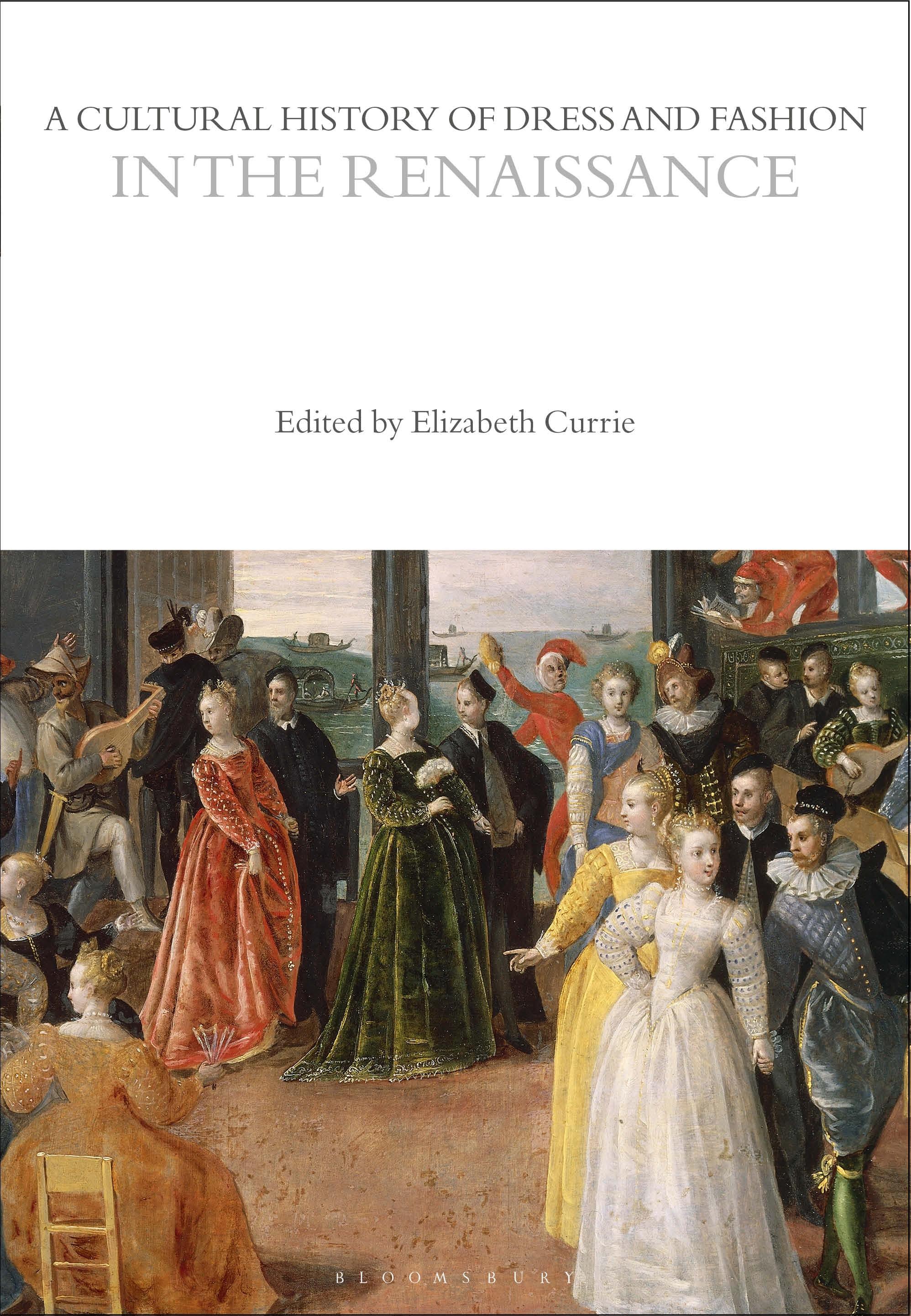
Spurred by an increasingly international and competitive market, the Renaissance saw the development of many new fabrics and the use of highly prized ingredients imported from the New World. In response to a thirst for the new, fashion's pace of change accelerated, the production of garments provided employment for an increasingly significant proportion of the working population, and entrepreneurial artisans began to transform even the most functional garments into fashionable ones. Anxieties concerning vanity and the power of clothing to mask identities heightened fears of fashion's corrupting influence, and heralded the great age of sumptuary legislation intended to police status and gender through dress.
Drawing on sources from surviving garments to artworks to moralising pamphlets, this richly illustrated volume presents essays on textiles, production and distribution, the body, belief, gender and sexuality, status, ethnicity, and visual and literary representations to illustrate the diversity and cultural significance of dress and fashion in the period.
Drawing on sources from surviving garments to artworks to moralising pamphlets, this richly illustrated volume presents essays on textiles, production and distribution, the body, belief, gender and sexuality, status, ethnicity, and visual and literary representations to illustrate the diversity and cultural significance of dress and fashion in the period.
Payez facilement par carte, Klarna, Apple Pay ou Google Pay. Pas satisfait ? Vous avez toujours une garantie de remboursement de 14 jours. En savoir plus dans nos conditions. Si vous avez des questions, envoyez-nous un e-mail à hello@memmo.org.
Memmo facilite tes études, où que tu sois dans le monde. On rassemble tes manuels de cours et des outils d'étude intelligents au même endroit : résumés, quiz, podcasts et flashcards. Et il y a Ted, ton compagnon d'étude qui répond à toutes tes questions. Plus de 50 000 étudiants étudient déjà ici – conçu pour t'aider à apprendre plus vite et à moins stresser.