
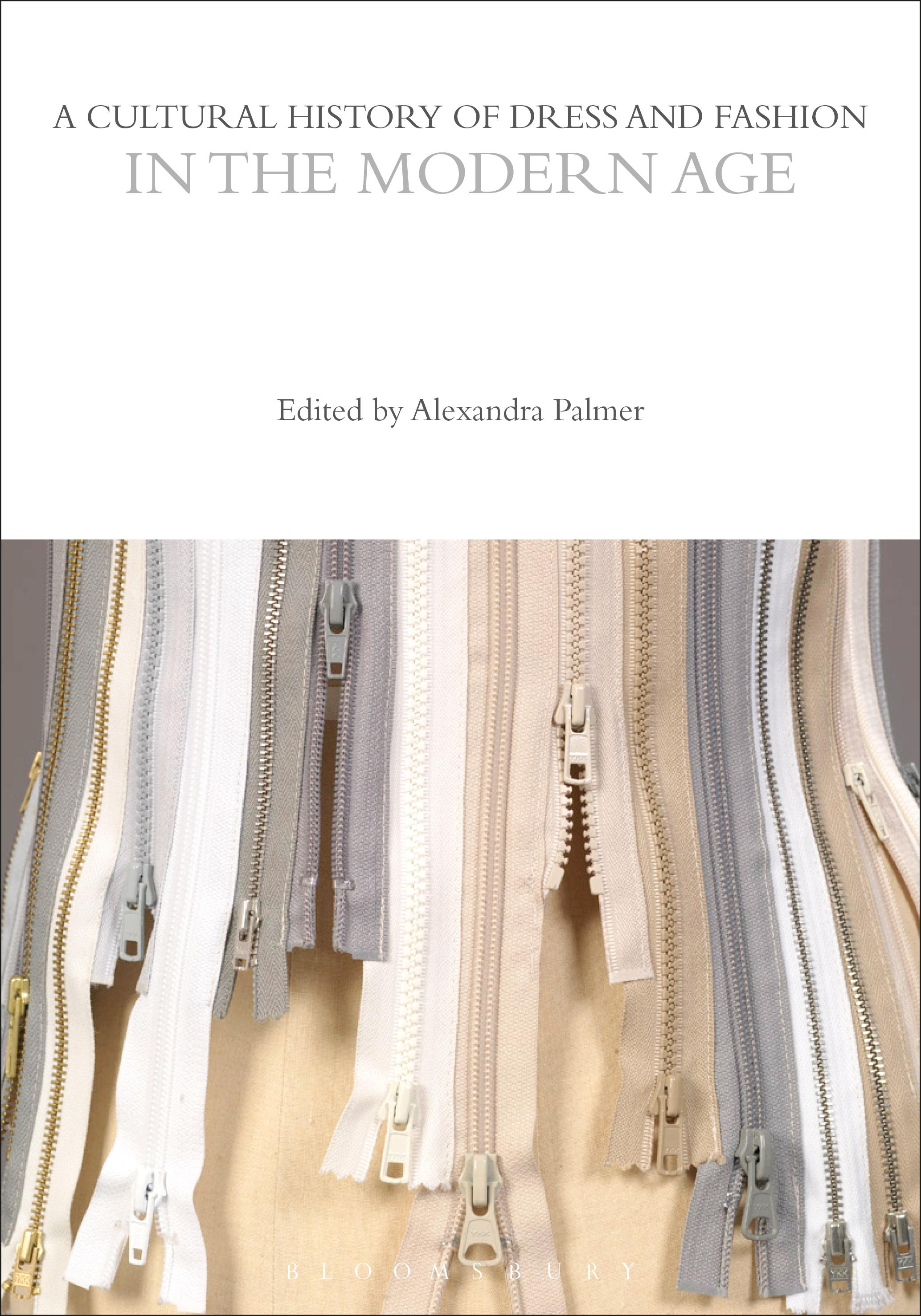
Over the last century there has been a complete transformation of the fashion system. The unitary top-down fashion cycle has been replaced by the pulsations of multiple and simultaneous styles, while the speed of global production and circulation has become ever faster and more complex. Running in tandem, the development of artificial fibres has revolutionized the composition of clothing, and the increased focus on youth, sexuality, and the body has radically changed its design. From the 1920s flapper dress to debates over the burkini, fashion has continued to be deeply involved in society's larger issues.
Drawing on a wealth of visual, textual and object sources and illustrated with 100 images, A Cultural History of Dress and Fashion in the Modern Age presents essays on textiles, production and distribution, the body, belief, gender and sexuality, status, ethnicity, and visual and literary representations to illustrate the diversity and cultural significance of dress and fashion in the period.
Drawing on a wealth of visual, textual and object sources and illustrated with 100 images, A Cultural History of Dress and Fashion in the Modern Age presents essays on textiles, production and distribution, the body, belief, gender and sexuality, status, ethnicity, and visual and literary representations to illustrate the diversity and cultural significance of dress and fashion in the period.
Payez facilement par carte, Klarna, Apple Pay ou Google Pay. Pas satisfait ? Vous avez toujours une garantie de remboursement de 14 jours. En savoir plus dans nos conditions. Si vous avez des questions, envoyez-nous un e-mail à hello@memmo.org.
Memmo facilite tes études, où que tu sois dans le monde. On rassemble tes manuels de cours et des outils d'étude intelligents au même endroit : résumés, quiz, podcasts et flashcards. Et il y a Ted, ton compagnon d'étude qui répond à toutes tes questions. Plus de 50 000 étudiants étudient déjà ici – conçu pour t'aider à apprendre plus vite et à moins stresser.