
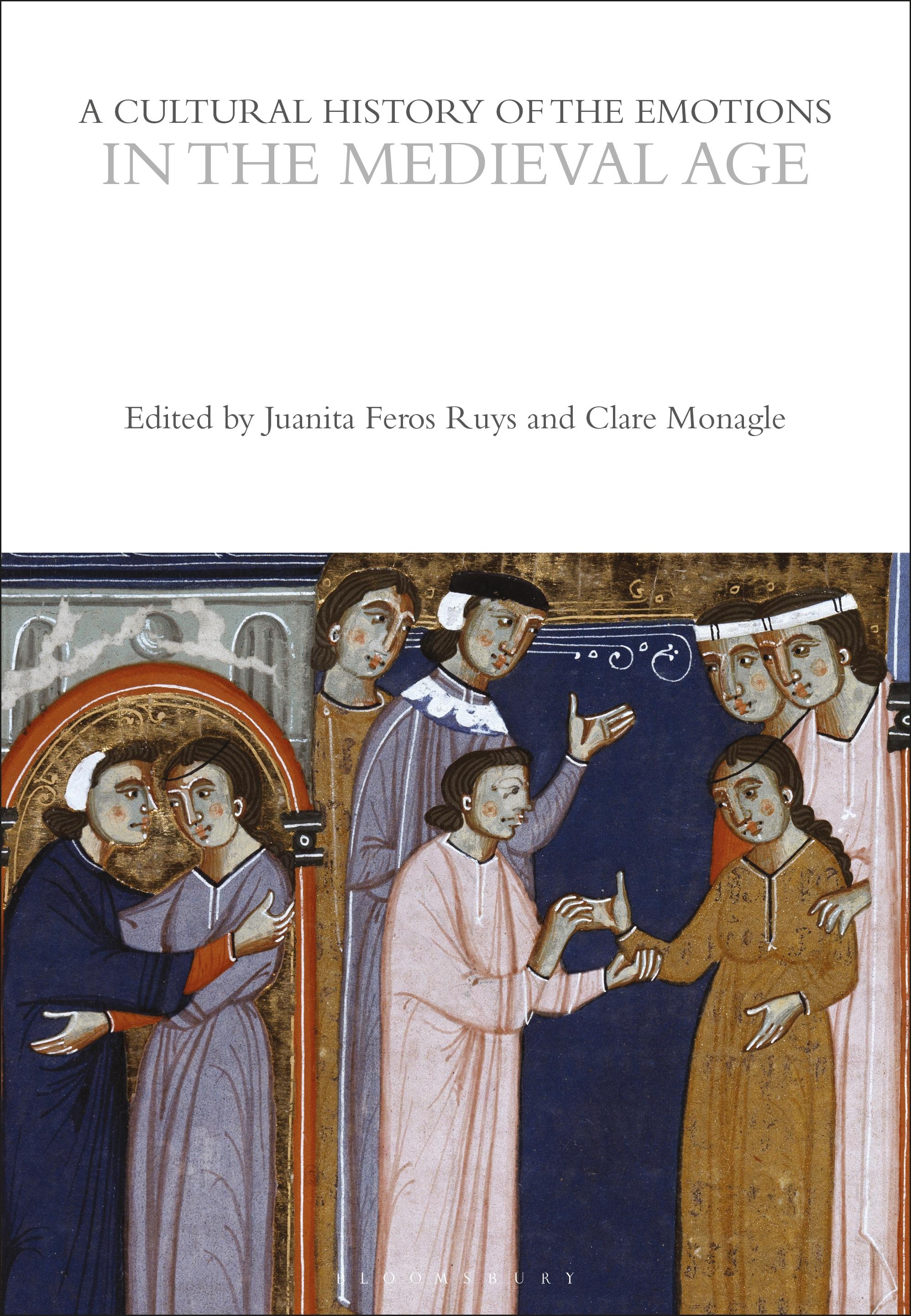
Our period opens at the end of the Roman Empire when intellectual currents are indebted to the Greek philosophical inheritance of Plato and Aristotle, as well as to a Romanized Stoicism. Into this mix entered the new, and from 313CE imperially sanctioned, religion of Christianity. In art, literature, music, and drama, we find an increasing emphasis on the arousal of individual emotions and their acceptance as a means towards devotion. In religion, we see a move from the ascetic regulation of emotions to the affective piety of the later medieval period that valued the believer's identification with the Passion of Christ and the sorrow of Mary. In science and medicine, the nature and causes of emotions, their role in constituting the human person, and their impact on the same became a subject of academic inquiry. Emotions also played an increasingly important public role, evidenced in populace-wide events such as conversion and the strategies of rulership. Between 350 and 1300, emotions were transformed from something to be transcended into a location for meditation upon what it means to be human.
Payez facilement par carte, Klarna, Apple Pay ou Google Pay. Pas satisfait ? Vous avez toujours une garantie de remboursement de 14 jours. En savoir plus dans nos conditions. Si vous avez des questions, envoyez-nous un e-mail à hello@memmo.org.
Memmo facilite tes études, où que tu sois dans le monde. On rassemble tes manuels de cours et des outils d'étude intelligents au même endroit : résumés, quiz, podcasts et flashcards. Et il y a Ted, ton compagnon d'étude qui répond à toutes tes questions. Plus de 50 000 étudiants étudient déjà ici – conçu pour t'aider à apprendre plus vite et à moins stresser.