
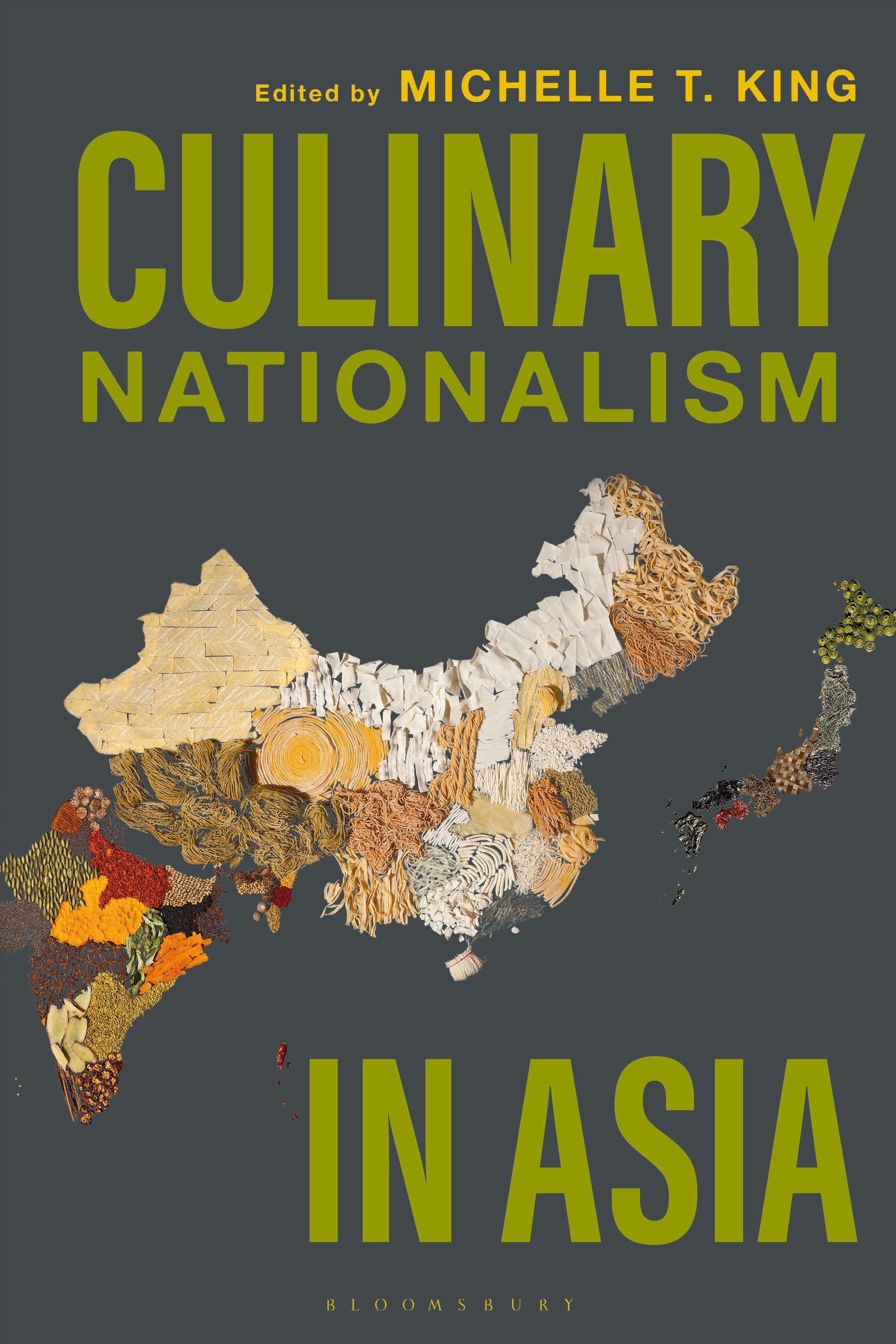
Winner of the Association for the Study of Food and Society's Best Edited Volume 2021
With culinary nationalism defined as a process in flux, as opposed to the limited concept of national cuisine, the contributors of this book call for explicit critical comparisons of cases of culinary nationalism among Asian regions, with the intention of recognizing patterns of modern culinary development. As a result, the formation of modern cuisine is revealed to be a process that takes place around the world, in different forms and periods, and not
exclusive to current Eurocentric models.
Key themes include the historical legacies of imperialism/colonialism, nationalism, the Cold War, and global capitalism in Asian cuisines; internal culinary boundaries between genders, ethnicities, social classes, religious groups, and perceived traditions/modernities; and global contexts of Asian cuisines as both nationalist and internationalist enterprises, and "Asia" itself as a vibrant culinary imaginary.
The book, which includes a foreword from Krishnendu Ray and an afterword from James L. Watson, sets out a fresh agenda for thinking about future food studies scholarship.
With culinary nationalism defined as a process in flux, as opposed to the limited concept of national cuisine, the contributors of this book call for explicit critical comparisons of cases of culinary nationalism among Asian regions, with the intention of recognizing patterns of modern culinary development. As a result, the formation of modern cuisine is revealed to be a process that takes place around the world, in different forms and periods, and not
exclusive to current Eurocentric models.
Key themes include the historical legacies of imperialism/colonialism, nationalism, the Cold War, and global capitalism in Asian cuisines; internal culinary boundaries between genders, ethnicities, social classes, religious groups, and perceived traditions/modernities; and global contexts of Asian cuisines as both nationalist and internationalist enterprises, and "Asia" itself as a vibrant culinary imaginary.
The book, which includes a foreword from Krishnendu Ray and an afterword from James L. Watson, sets out a fresh agenda for thinking about future food studies scholarship.
Payez facilement par carte, Klarna, Apple Pay ou Google Pay. Pas satisfait ? Vous avez toujours une garantie de remboursement de 14 jours. En savoir plus dans nos conditions. Si vous avez des questions, envoyez-nous un e-mail à hello@memmo.org.
Memmo facilite tes études, où que tu sois dans le monde. On rassemble tes manuels de cours et des outils d'étude intelligents au même endroit : résumés, quiz, podcasts et flashcards. Et il y a Ted, ton compagnon d'étude qui répond à toutes tes questions. Plus de 50 000 étudiants étudient déjà ici – conçu pour t'aider à apprendre plus vite et à moins stresser.