
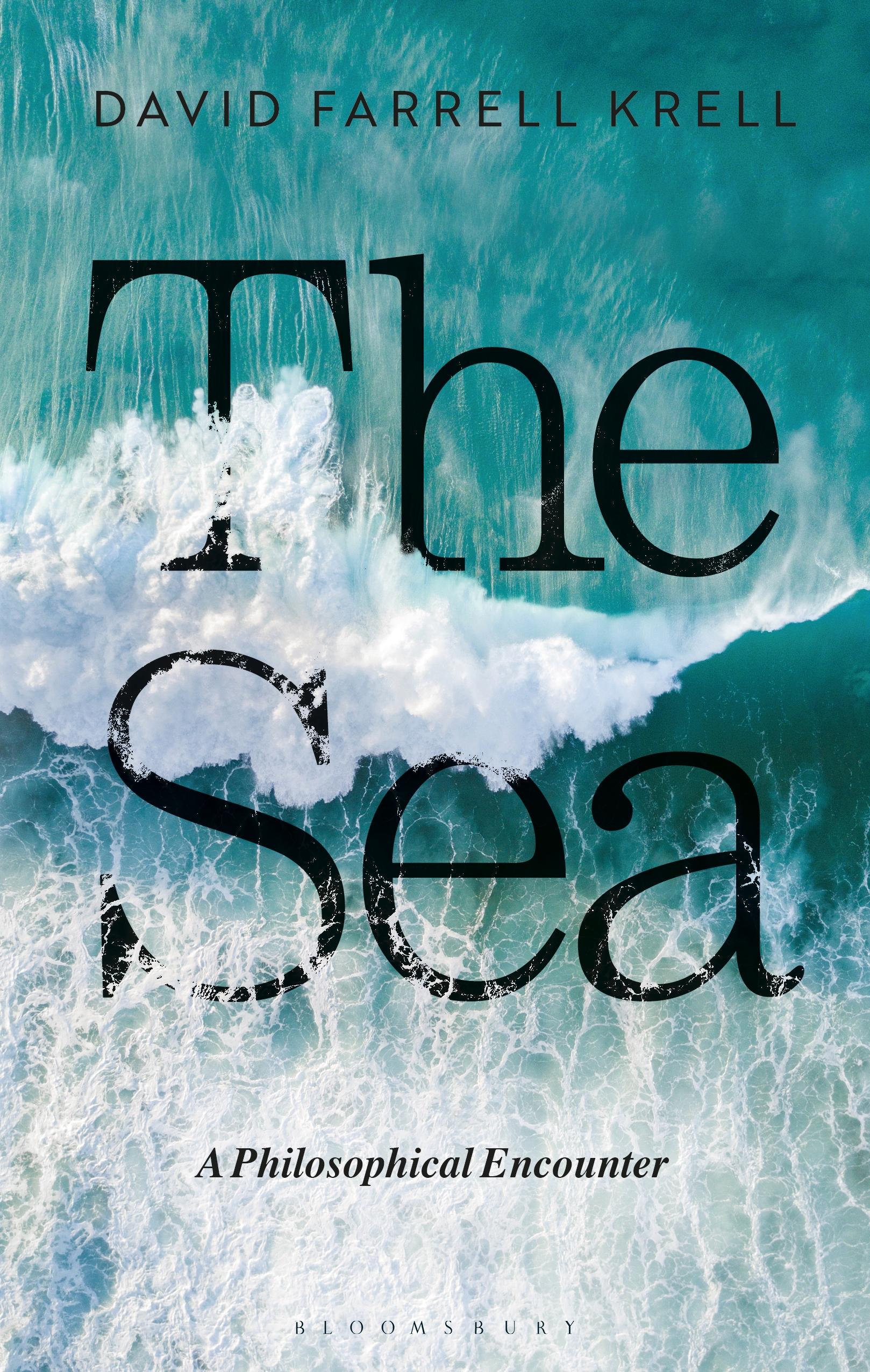
Humankind has a profound and complex relationship with the sea, a relationship that is extensively reflected in biology, psychology, religion, literature and poetry. The sea cradles and soothes us, we visit it often for solace and inspiration, it is familiar, being the place where life ultimately began. Yet the sea is also dark and mysterious and often spells catastrophe and death. The sea is a set of contradictions: kind, cruel, indifferent. She is a blind will that will 'have her way'. In exploring this most capricious of phenomena, David Farrell Krell engages the work of an array of thinkers and writers including, but not limited to, Homer, Thales, Anaximander, Heraclitus, Plato, Aristotle, Hölderlin, Melville, Woolf, Whitman, Nietzsche, Heidegger, Schelling, Ferenczi, Rank and Freud.
The Sea explores the significance in Western civilization of the catastrophic and generative power of the sea and what humankind's complex relationship with it reveals about the human condition, human consciousness, temporality, striving, anxiety, happiness and mortality.
The Sea explores the significance in Western civilization of the catastrophic and generative power of the sea and what humankind's complex relationship with it reveals about the human condition, human consciousness, temporality, striving, anxiety, happiness and mortality.
Payez facilement par carte, Klarna, Apple Pay ou Google Pay. Pas satisfait ? Vous avez toujours une garantie de remboursement de 14 jours. En savoir plus dans nos conditions. Si vous avez des questions, envoyez-nous un e-mail à hello@memmo.org.
Memmo facilite tes études, où que tu sois dans le monde. On rassemble tes manuels de cours et des outils d'étude intelligents au même endroit : résumés, quiz, podcasts et flashcards. Et il y a Ted, ton compagnon d'étude qui répond à toutes tes questions. Plus de 50 000 étudiants étudient déjà ici – conçu pour t'aider à apprendre plus vite et à moins stresser.