
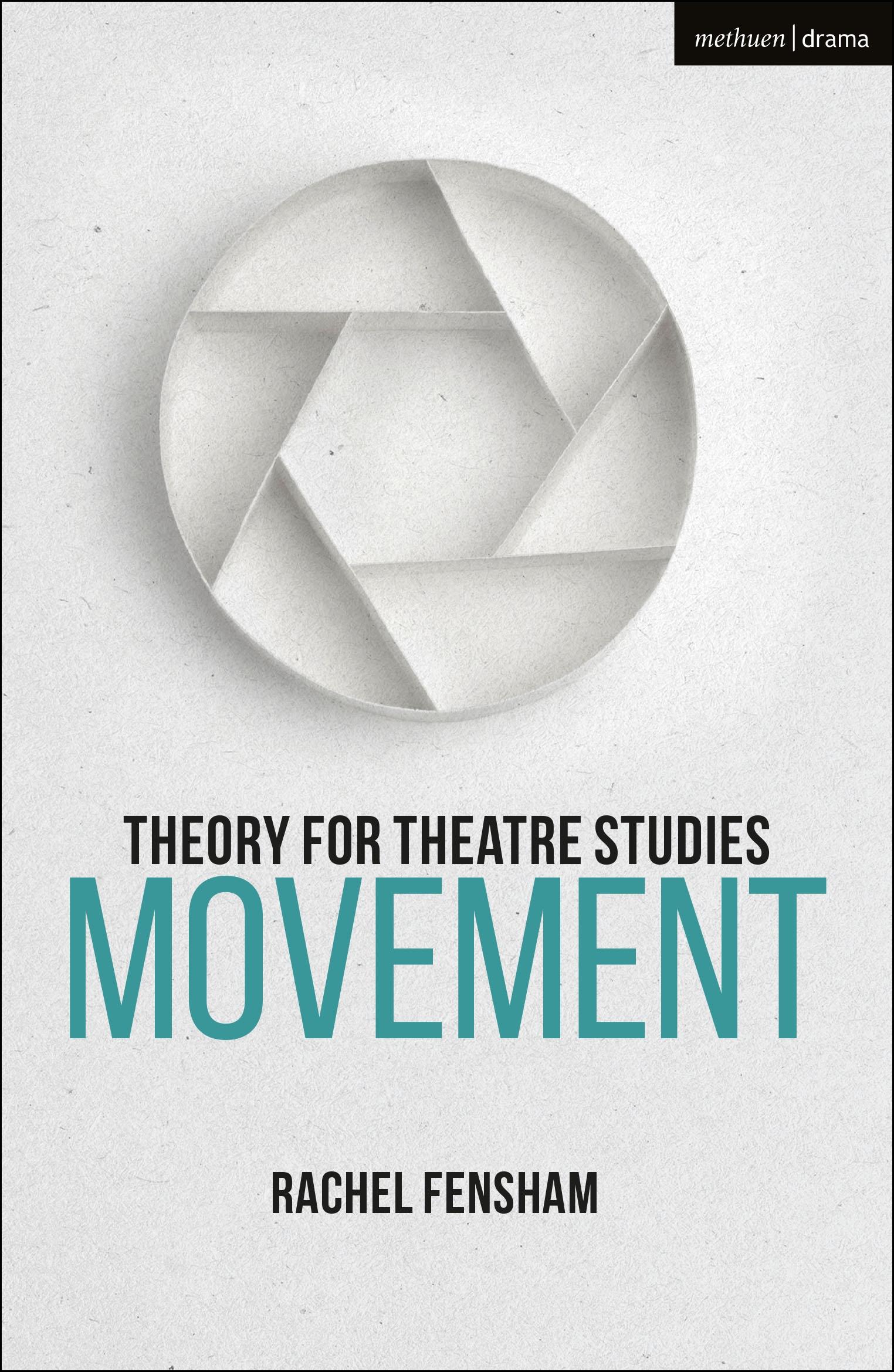
How do we define movement in performance? Who or what is being moved and how? And which movements are felt, observed, or studied, in theatre?
Part of the Theory for Theatre Studies series which introduces core theoretical concepts that underpin the discipline, Movement provides the first overview of relevant critical theory for students and researchers in theatre and performance studies. Exploring areas such as vitality, plasticity, gesture, effort and rhythm, it opens up the study of theatrical production, live art, and intercultural performance to socio-political conceptions of movement as both practice and concept. It covers movement training systems and considers how they have been utilized in key works of the 20th and 21st centuries. The final section traces the convergence of movement in theatre with other media and digital technologies.
A wide range of in-depth case studies helps to equip readers to explore new methodologies and approaches to movement as a performance concept. These include analysis of Satoshi Miyagi's production of Sophocles' Antigone (2017), Thomas Ostermeier's production of Ibsen's Hedda Gabler (2008), the Berliner Ensemble's Mother Courage (1949), The Constant Prince (1965) performed by Ryzsard Cieslak, and the National Theatre's production of War Horse (2007). The final section considers a suite of concepts that shape postdramatic and intermedial theatre from China, Germany-Bangladesh, Australia, the United States, and United Kingdom. The volume is supported by further online resources including video material, questions, and exercises.
Part of the Theory for Theatre Studies series which introduces core theoretical concepts that underpin the discipline, Movement provides the first overview of relevant critical theory for students and researchers in theatre and performance studies. Exploring areas such as vitality, plasticity, gesture, effort and rhythm, it opens up the study of theatrical production, live art, and intercultural performance to socio-political conceptions of movement as both practice and concept. It covers movement training systems and considers how they have been utilized in key works of the 20th and 21st centuries. The final section traces the convergence of movement in theatre with other media and digital technologies.
A wide range of in-depth case studies helps to equip readers to explore new methodologies and approaches to movement as a performance concept. These include analysis of Satoshi Miyagi's production of Sophocles' Antigone (2017), Thomas Ostermeier's production of Ibsen's Hedda Gabler (2008), the Berliner Ensemble's Mother Courage (1949), The Constant Prince (1965) performed by Ryzsard Cieslak, and the National Theatre's production of War Horse (2007). The final section considers a suite of concepts that shape postdramatic and intermedial theatre from China, Germany-Bangladesh, Australia, the United States, and United Kingdom. The volume is supported by further online resources including video material, questions, and exercises.
Pages: 144
Catégorie: Drama, Teater & Scenkonst
e-ISBN: 9781350026384
Poids d'expédition: 1.2 kg
Expédié sous: 1-2 jours
Payez facilement par carte, Klarna, Apple Pay ou Google Pay. Pas satisfait ? Vous avez toujours une garantie de remboursement de 14 jours. En savoir plus dans nos conditions. Si vous avez des questions, envoyez-nous un e-mail à hello@memmo.org.
Memmo facilite tes études, où que tu sois dans le monde. On rassemble tes manuels de cours et des outils d'étude intelligents au même endroit : résumés, quiz, podcasts et flashcards. Et il y a Ted, ton compagnon d'étude qui répond à toutes tes questions. Plus de 50 000 étudiants étudient déjà ici – conçu pour t'aider à apprendre plus vite et à moins stresser.