
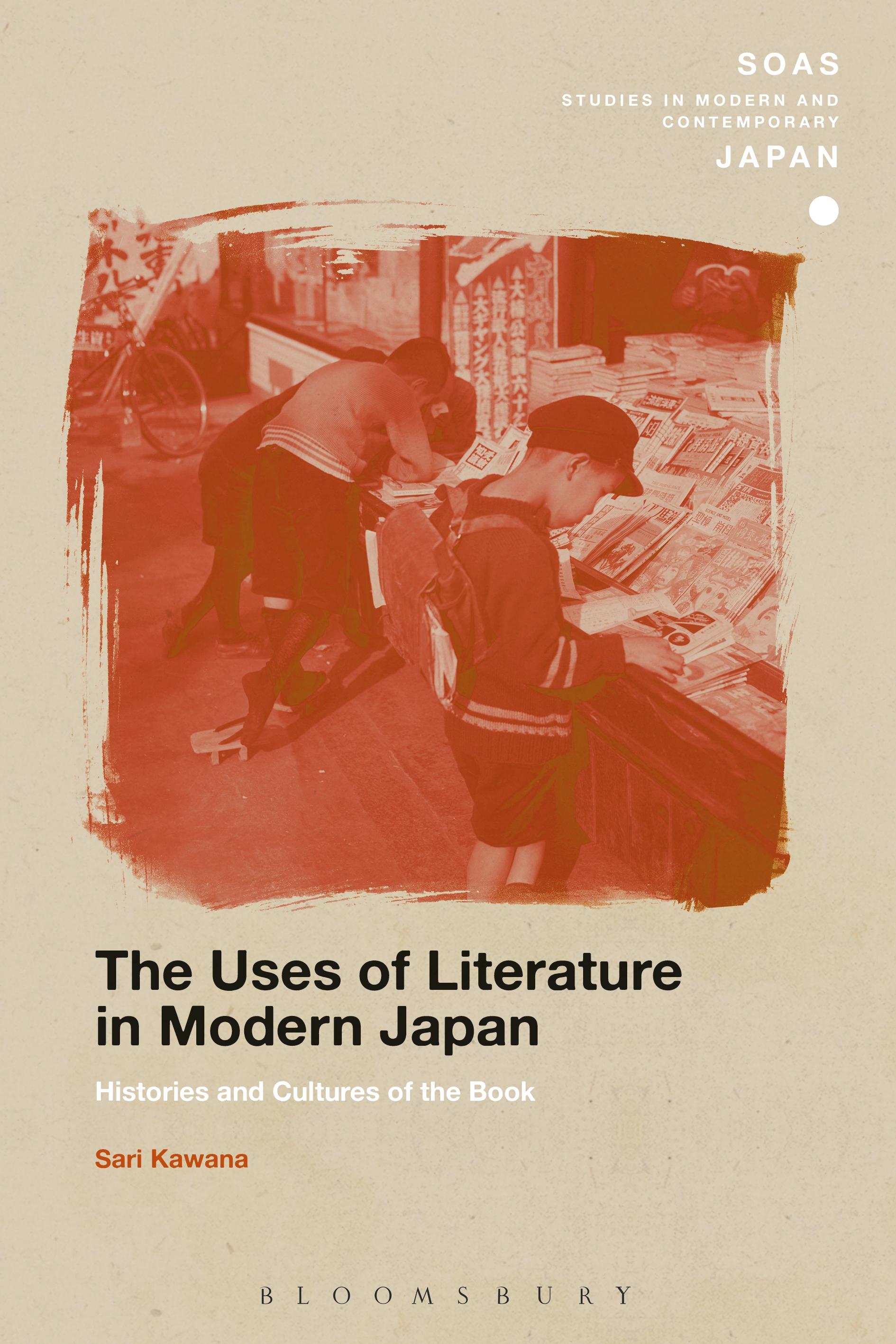
The Uses of Literature in Modern Japan explores the varying uses of literature in Japan from the late Meiji period to the present, considering how creators, conveyors, and consumers of literary content have treated texts and their authors as cultural resources to be packaged, promoted, and preserved.
As the printed word became a crucial form of entertainment and edification for an increasingly literate public in early 20th-century Japan, literature came to assume a variety of new uses. Touching upon a wide array of sources, Sari Kawana traces the ways in which literary works have morphed into different variants, ranging from textual (compilations, textbooks) and visual (film, manga, other media) to virtual and real world, through innovative publishing and reading practices. She takes up themes such as the materiality of texts, the role of publishers and advertising campaigns, the interplay between literature and other media, and the creation and dissemination of larger cultural fantasies tied to literary consumption. She stresses the agency and creativity with which readers engaged literary works, from divergent readings of propaganda literature to inventive adaptations of canonical texts in adjacent media, culminating in the practice of literary tourism.
Moving beyond close reading of texts to look at their historical context, the book will appeal not only to scholars of modern Japanese literature but also those studying the history of the book and modern Japanese cultural history.
As the printed word became a crucial form of entertainment and edification for an increasingly literate public in early 20th-century Japan, literature came to assume a variety of new uses. Touching upon a wide array of sources, Sari Kawana traces the ways in which literary works have morphed into different variants, ranging from textual (compilations, textbooks) and visual (film, manga, other media) to virtual and real world, through innovative publishing and reading practices. She takes up themes such as the materiality of texts, the role of publishers and advertising campaigns, the interplay between literature and other media, and the creation and dissemination of larger cultural fantasies tied to literary consumption. She stresses the agency and creativity with which readers engaged literary works, from divergent readings of propaganda literature to inventive adaptations of canonical texts in adjacent media, culminating in the practice of literary tourism.
Moving beyond close reading of texts to look at their historical context, the book will appeal not only to scholars of modern Japanese literature but also those studying the history of the book and modern Japanese cultural history.
Pages: 288
Catégorie: Litteraturvetenskap & Teori
e-ISBN: 9781350024908
Poids d'expédition: 1.2 kg
Expédié sous: 1-2 jours
Payez facilement par carte, Klarna, Apple Pay ou Google Pay. Pas satisfait ? Vous avez toujours une garantie de remboursement de 14 jours. En savoir plus dans nos conditions. Si vous avez des questions, envoyez-nous un e-mail à hello@memmo.org.
Memmo facilite tes études, où que tu sois dans le monde. On rassemble tes manuels de cours et des outils d'étude intelligents au même endroit : résumés, quiz, podcasts et flashcards. Et il y a Ted, ton compagnon d'étude qui répond à toutes tes questions. Plus de 50 000 étudiants étudient déjà ici – conçu pour t'aider à apprendre plus vite et à moins stresser.