
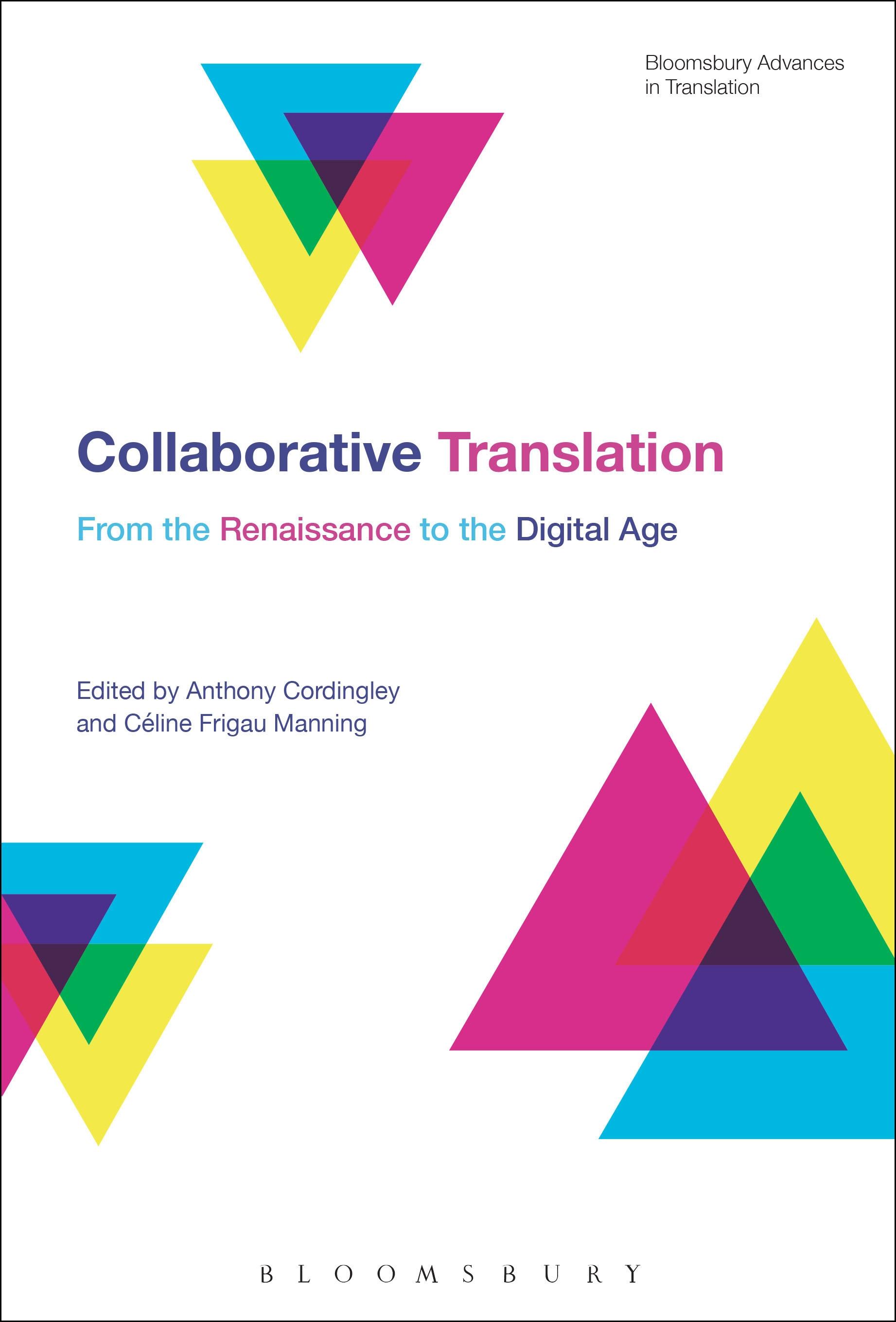
For centuries, the art of translation has been misconstrued as a solitary affair. Yet, from Antiquity to the Middle Ages, groups of translators comprised of specialists of different languages formed in order to transport texts from one language and culture to another. Collaborative Translation uncovers the collaborative practices occluded in Renaissance theorizing of translation to which our individualist notions of translation are indebted. Leading translation scholars as well as professional translators have been invited here to detail their experiences of collaborative translation, as well as the fruits of their research into this neglected form of translation.
This volume offers in-depth analysis of rich, sometimes explosive, relationships between authors and their translators. Their negotiations of cooperation and control, assistance and interference, are shown here to shape the translation of prominent modern authors such as Günter Grass, Vladimir Nabokov and Haruki Murakami.
The advent of printing, the cultural institutions and the legal and political environment that regulate the production of translated texts have each formalized many of the inherently social and communicative practices of translation. Yet this publishing regime has been profoundly disrupted by the technologies that are currently revolutionizing collaborative translation techniques. This volume details the impact that this technological and environmental evolution is having upon the translator, proliferating sites and communities of collaboration, transforming traditional relationships with authors and editors, revisers, stage directors, actors and readers.
This volume offers in-depth analysis of rich, sometimes explosive, relationships between authors and their translators. Their negotiations of cooperation and control, assistance and interference, are shown here to shape the translation of prominent modern authors such as Günter Grass, Vladimir Nabokov and Haruki Murakami.
The advent of printing, the cultural institutions and the legal and political environment that regulate the production of translated texts have each formalized many of the inherently social and communicative practices of translation. Yet this publishing regime has been profoundly disrupted by the technologies that are currently revolutionizing collaborative translation techniques. This volume details the impact that this technological and environmental evolution is having upon the translator, proliferating sites and communities of collaboration, transforming traditional relationships with authors and editors, revisers, stage directors, actors and readers.
Payez facilement par carte, Klarna, Apple Pay ou Google Pay. Pas satisfait ? Vous avez toujours une garantie de remboursement de 14 jours. En savoir plus dans nos conditions. Si vous avez des questions, envoyez-nous un e-mail à hello@memmo.org.
Memmo facilite tes études, où que tu sois dans le monde. On rassemble tes manuels de cours et des outils d'étude intelligents au même endroit : résumés, quiz, podcasts et flashcards. Et il y a Ted, ton compagnon d'étude qui répond à toutes tes questions. Plus de 50 000 étudiants étudient déjà ici – conçu pour t'aider à apprendre plus vite et à moins stresser.