
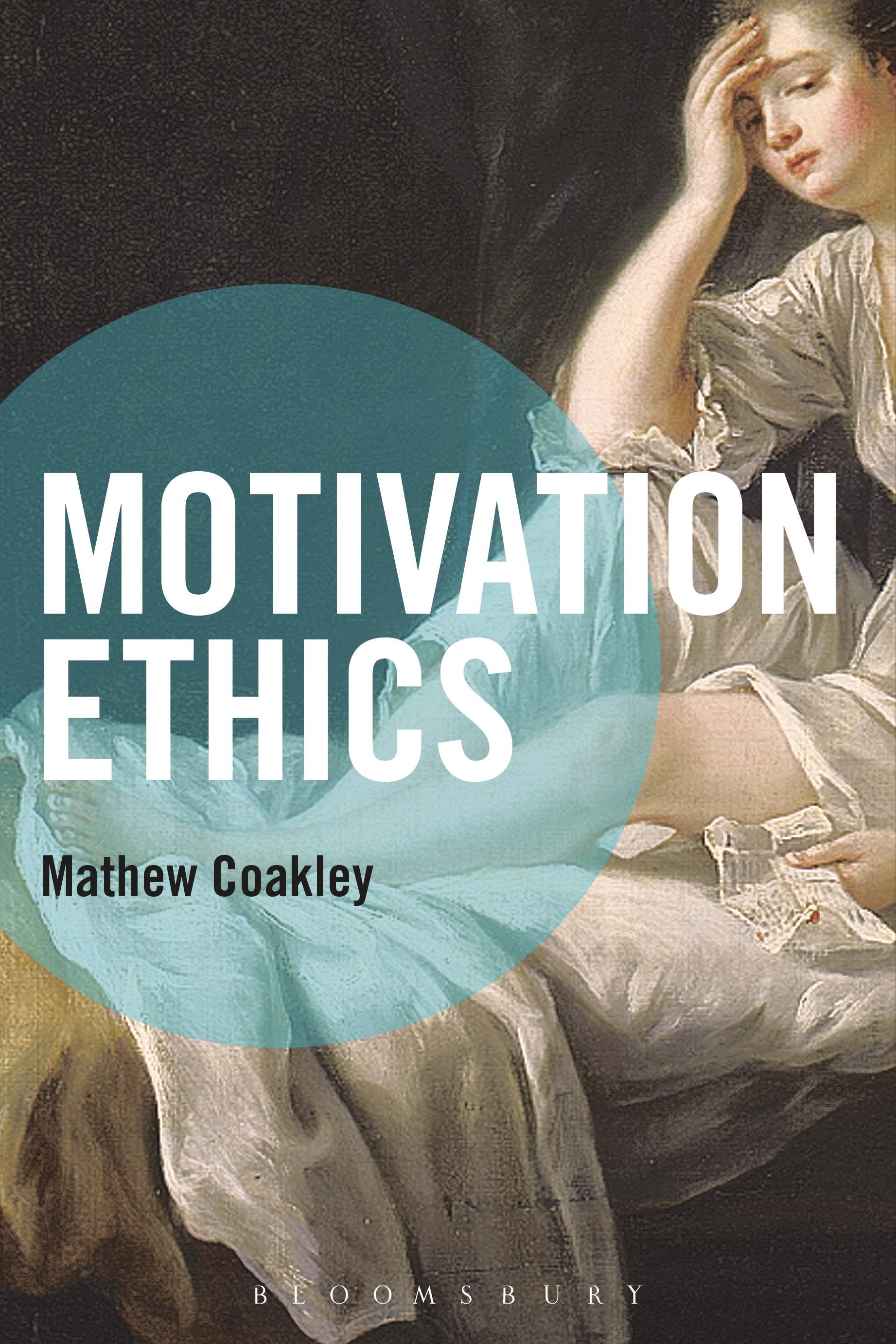
This is a book about a particular moral theory – motivation ethics – and why we should accept it. But it is also a book about moral theorizing, about how we might compare different structures of moral theory.
In principle we might morally evaluate a range of objects: we might, for example, evaluate what people do – is some action right, wrong, permitted, forbidden, a duty or beyond what is required? Or we might evaluate agents: what is it to be morally heroic, or morally depraved, or highly moral? And, we could evaluate institutions: which ones are just, or morally better, or legitimate?
Most theories focus on one (or two) of these and offer arguments against rivals. What this book does is to step back and ask a different question: of the theories that evaluate one object, are they compatible with an acceptable account of the evaluation of the other objects?
So, for instance, if a moral theory tells us which actions are right and wrong, well can it then be compatible with a theory of what it is to be a morally good or bad or heroic or depraved agent (or deny the need for this)? It seems that this would be an easy task, but the book sets out how this is very difficult for some of our most prominent theories, why this is so, and why a theory based on motivations might be the right answer.
In principle we might morally evaluate a range of objects: we might, for example, evaluate what people do – is some action right, wrong, permitted, forbidden, a duty or beyond what is required? Or we might evaluate agents: what is it to be morally heroic, or morally depraved, or highly moral? And, we could evaluate institutions: which ones are just, or morally better, or legitimate?
Most theories focus on one (or two) of these and offer arguments against rivals. What this book does is to step back and ask a different question: of the theories that evaluate one object, are they compatible with an acceptable account of the evaluation of the other objects?
So, for instance, if a moral theory tells us which actions are right and wrong, well can it then be compatible with a theory of what it is to be a morally good or bad or heroic or depraved agent (or deny the need for this)? It seems that this would be an easy task, but the book sets out how this is very difficult for some of our most prominent theories, why this is so, and why a theory based on motivations might be the right answer.
Payez facilement par carte, Klarna, Apple Pay ou Google Pay. Pas satisfait ? Vous avez toujours une garantie de remboursement de 14 jours. En savoir plus dans nos conditions. Si vous avez des questions, envoyez-nous un e-mail à hello@memmo.org.
Memmo facilite tes études, où que tu sois dans le monde. On rassemble tes manuels de cours et des outils d'étude intelligents au même endroit : résumés, quiz, podcasts et flashcards. Et il y a Ted, ton compagnon d'étude qui répond à toutes tes questions. Plus de 50 000 étudiants étudient déjà ici – conçu pour t'aider à apprendre plus vite et à moins stresser.