
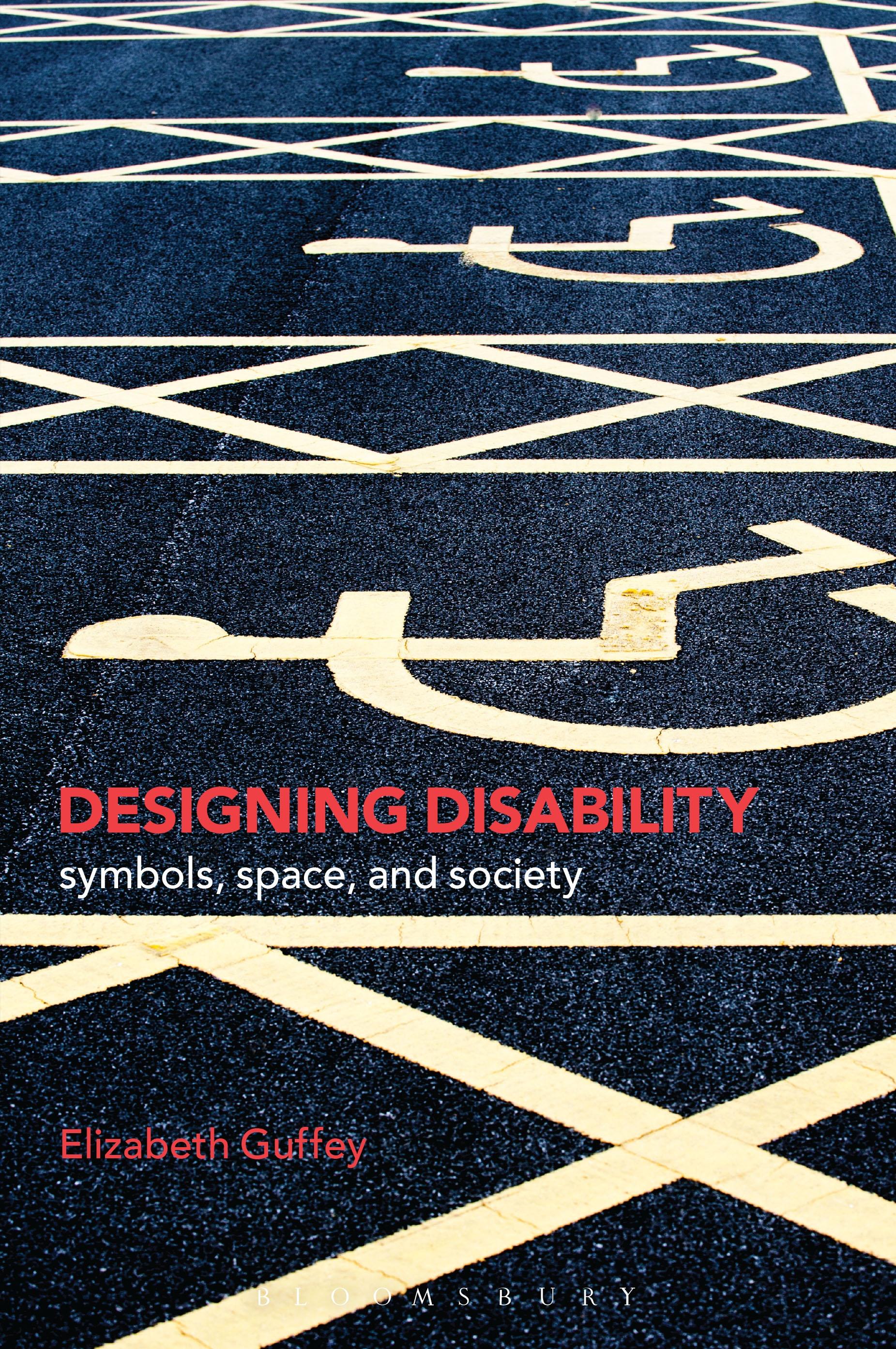
Designing Disability traces the emergence of an idea and an ideal – physical access for the disabled – through the evolution of the iconic International Symbol of Access (ISA). The book draws on design history, material culture and recent critical disability studies to examine not only the development of a design icon, but also the cultural history surrounding it.
Infirmity and illness may be seen as part of human experience, but 'disability' is a social construct, a way of thinking about and responding to a natural human condition. Elizabeth Guffey's highly original and wide-ranging study considers the period both before and after the introduction of the ISA, tracing the design history of the wheelchair, a product which revolutionised the mobility needs of many disabled people from the 1930s onwards. She also examines the rise of 'barrier-free architecture' in the reception of the ISA, and explores how the symbol became widely adopted and even a mark of identity for some, especially within the Disability Rights Movement.
Yet despite the social progress which is inextricably linked to the ISA, a growing debate has unfurled around the symbol and its meanings. The most vigorous critiques today have involved guerrilla art, graffiti and studio practice, reflecting new challenges to the relationship between design and disability in the twenty-first century.
Infirmity and illness may be seen as part of human experience, but 'disability' is a social construct, a way of thinking about and responding to a natural human condition. Elizabeth Guffey's highly original and wide-ranging study considers the period both before and after the introduction of the ISA, tracing the design history of the wheelchair, a product which revolutionised the mobility needs of many disabled people from the 1930s onwards. She also examines the rise of 'barrier-free architecture' in the reception of the ISA, and explores how the symbol became widely adopted and even a mark of identity for some, especially within the Disability Rights Movement.
Yet despite the social progress which is inextricably linked to the ISA, a growing debate has unfurled around the symbol and its meanings. The most vigorous critiques today have involved guerrilla art, graffiti and studio practice, reflecting new challenges to the relationship between design and disability in the twenty-first century.
Pages: 240
Catégorie: Konst, Design & Fotografi
e-ISBN: 9781350004269
Poids d'expédition: 1.2 kg
Expédié sous: 1-2 jours
Payez facilement par carte, Klarna, Apple Pay ou Google Pay. Pas satisfait ? Vous avez toujours une garantie de remboursement de 14 jours. En savoir plus dans nos conditions. Si vous avez des questions, envoyez-nous un e-mail à hello@memmo.org.
Memmo facilite tes études, où que tu sois dans le monde. On rassemble tes manuels de cours et des outils d'étude intelligents au même endroit : résumés, quiz, podcasts et flashcards. Et il y a Ted, ton compagnon d'étude qui répond à toutes tes questions. Plus de 50 000 étudiants étudient déjà ici – conçu pour t'aider à apprendre plus vite et à moins stresser.