
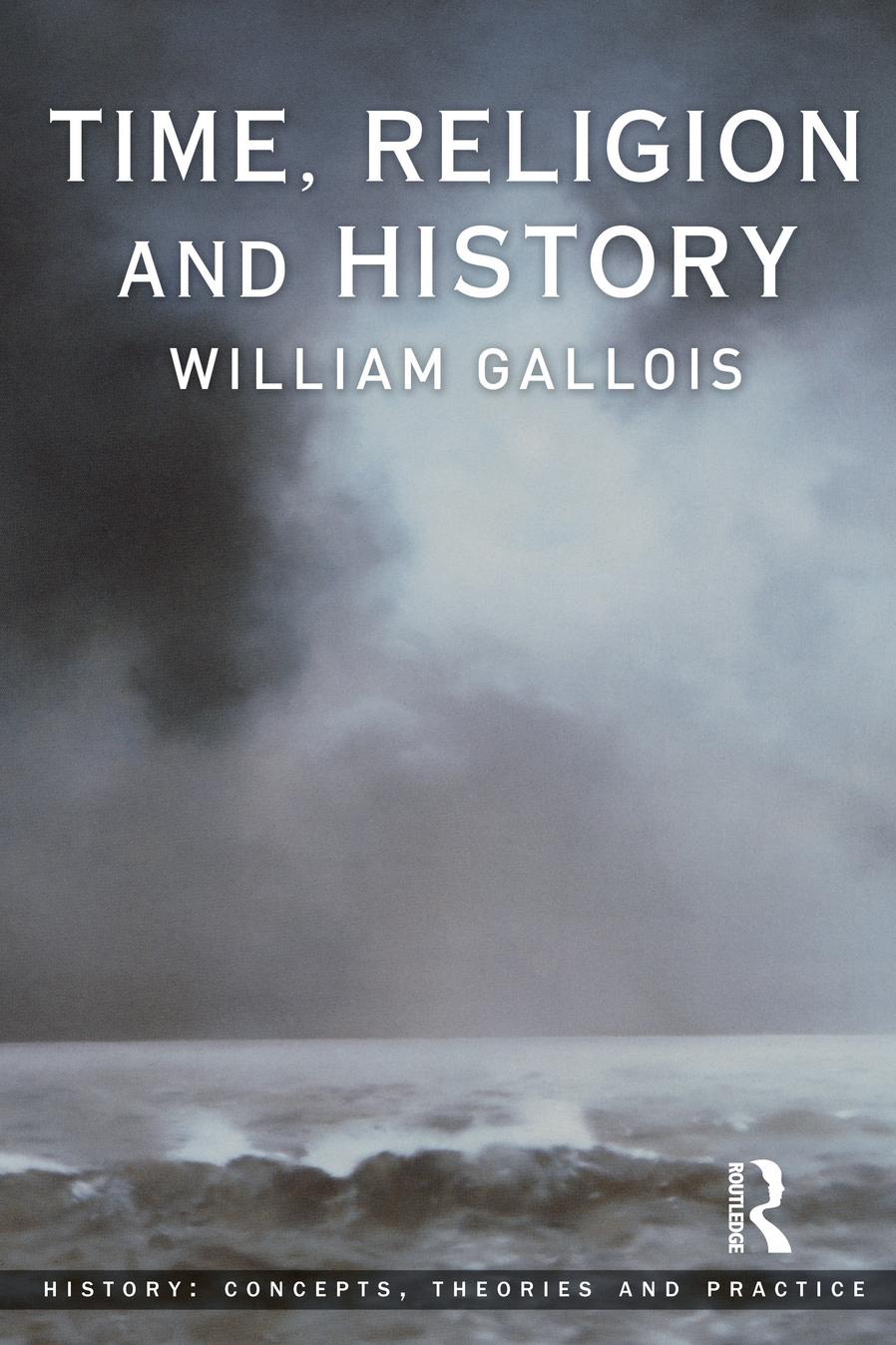
What is time? How does our sense of time lead us to approach the world? How did the peoples of the past view time? This book answers these questions through an investigation of the cultures of time in Christianity, Islam, Buddhism, Judaism and the Australian Dreamtime. It argues that our contemporary world is blind as to the significance and complexity of time, preferring to believe that time is natural and unchanging. This is of critical importance to historians since the base matter of their study is time, yet there is almost no theoretical literature on time in history.
This book offers the first detailed historiographical study of the centrality of time to human cultures. It sets out the complex ways in which ideas of time developed in the major world religions, and the manner in which such conceptions led people both to live in ways very different to our contemporary world and to make very different kinds of histories. It goes on to argue that modern scientific descriptions of time, such as Einsteins Theory of Relativity, lie much closer to the complex understandings of time in religions such as Christianity than they do to our common-sense notions of time which are centred on progress through a past, present and future.
Payez facilement par carte, Klarna, Apple Pay ou Google Pay. Pas satisfait ? Vous avez toujours une garantie de remboursement de 14 jours. En savoir plus dans nos conditions. Si vous avez des questions, envoyez-nous un e-mail à hello@memmo.org.
Memmo facilite tes études, où que tu sois dans le monde. On rassemble tes manuels de cours et des outils d'étude intelligents au même endroit : résumés, quiz, podcasts et flashcards. Et il y a Ted, ton compagnon d'étude qui répond à toutes tes questions. Plus de 50 000 étudiants étudient déjà ici – conçu pour t'aider à apprendre plus vite et à moins stresser.