
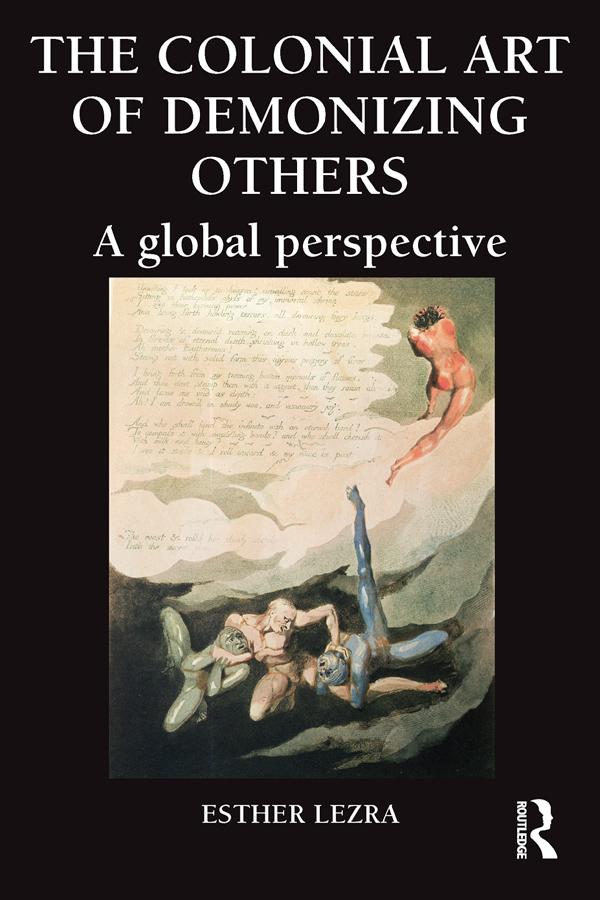
The Colonial Art of Demonizing Others examines European mistranslations and misrepresentations of black freedom dreams and self-activity as monstrous in the period of modern imperial consolidation –roughly from 1750 to 1848.
This book argues that Europe’s archives of self-understanding are haunted by the traces of Black radical resistance. Just as Europe’s economy came to depend upon the raw materials, markets, and labor it secured from the colonies, European culture came to be based on fantasies and phobias derived from the unruly and unmanageable aftershocks of colonial violence and counter-insurgency. Rather than assert that European nationalist and abolitionist discourses are on the side of emancipatory movements, the book shows the limits of the promise of that discourse, and the continuation of those limitations that makes the continued pursuit of that promise a questionable activity. This book does not wish to salvage the emancipatory promises of European discourse, but considers the more difficult and uncomfortable question of why emancipatory movements represented the struggles of anticolonial and radical blackness the way they did.
The Colonial Art of Demonizing Others privileges the political reading not only of literary texts but also of historical documents and visual culture.
Payez facilement par carte, Klarna, Apple Pay ou Google Pay. Pas satisfait ? Vous avez toujours une garantie de remboursement de 14 jours. En savoir plus dans nos conditions. Si vous avez des questions, envoyez-nous un e-mail à hello@memmo.org.
Memmo facilite tes études, où que tu sois dans le monde. On rassemble tes manuels de cours et des outils d'étude intelligents au même endroit : résumés, quiz, podcasts et flashcards. Et il y a Ted, ton compagnon d'étude qui répond à toutes tes questions. Plus de 50 000 étudiants étudient déjà ici – conçu pour t'aider à apprendre plus vite et à moins stresser.