
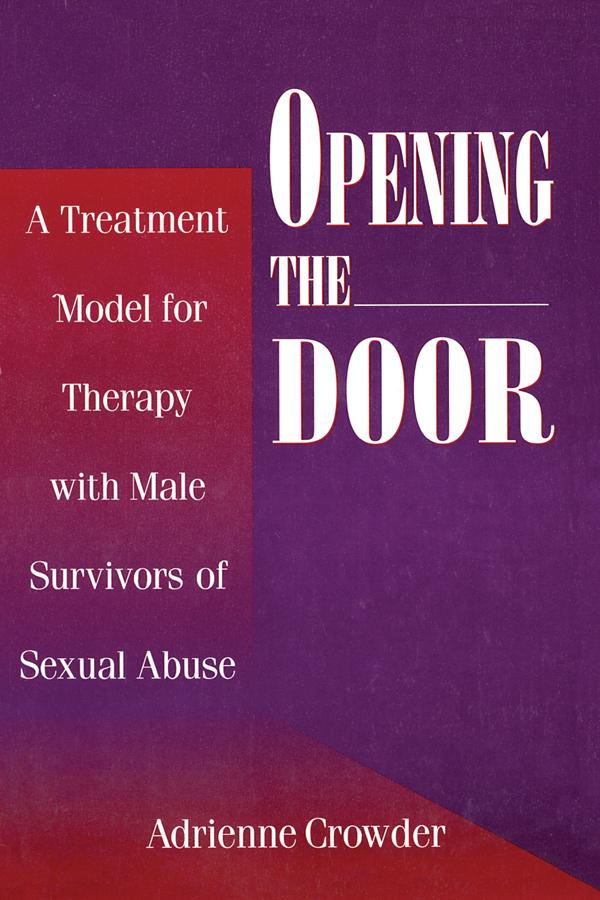
The first book available to comprehensively address the treatment of sexually abused males, Opening the Door: A Treatment Model for Therapy with Male Survivors of Sexual Abuse is based on current research and the carefully evolved techniques of 41 therapists who have developed expertise in working with sexually abused males. It discusses both the approaches that these therapists bring to their work and presents interventions they have successfully applied in treatment. Written in clear, concise language, Opening the Door features a four-phase treatment model and presents, in detail, the therapeutic tasks necessary for each phase. This model makes clear the significant parallels and distinctions between the processes of therapy and abuse. These processes are discussed throughout the text to ensure that therapy will be a healing rather than a harmful experience. The volume presents information about the frequency of male sexual victimization, the impact of this victimization on the individual, primary differences between male and female victimization, and the issues victims typically bring into therapy. The four-phase treatment model for male survivors and the therapeutic tasks of each stage is then addressed. This model serves as a framework for presenting specific therapeutic interventions. Chapters examine such areas as the essential processes that pertain to all therapeutic modalities (individual, group, etc.) when treating male survivors of sexual abuse; contracting with clients, assessment guidelines, and methods of evaluation; individual therapy with male survivors; a two-stage group treatment model for male survivors, which discusses contraindications for group treatment, screening criteria, general ground rules for the group, and effective interventions; critical issues in treating male survivors, including engagement strategies, therapeutic impasses, and client/therapist gender dynamics; and the therapeutic process as it applies to adolescent male survivors, with particular emphasis on how treatment must be carefully tailored to the developmental needs of this group. Included are guidelines for working with adolescents and several interventions that contributors have successfully used with this population. Since working extensively with abuse survivors can exact significant personal costs, the book provides important self-care strategies for therapists to incorporate into their work and lives and discusses seven ways in which to recognize and manage counter-transference. The volume also contains a highly comprehensive list of written, video, and training resources that will provide therapists with numerous avenues to expand their clinical practice and knowledge, as well as seven appendices that include the DES Questionnaire and the Dean Adolescent Inventory Scale. Opening the Door will be an invaluable resource for all mental health practitioners who help male victims of sexual abuse to transcend survivorship and learn to live healthy, productive, and vital lives.
Payez facilement par carte, Klarna, Apple Pay ou Google Pay. Pas satisfait ? Vous avez toujours une garantie de remboursement de 14 jours. En savoir plus dans nos conditions. Si vous avez des questions, envoyez-nous un e-mail à hello@memmo.org.
Memmo facilite tes études, où que tu sois dans le monde. On rassemble tes manuels de cours et des outils d'étude intelligents au même endroit : résumés, quiz, podcasts et flashcards. Et il y a Ted, ton compagnon d'étude qui répond à toutes tes questions. Plus de 50 000 étudiants étudient déjà ici – conçu pour t'aider à apprendre plus vite et à moins stresser.
Tu pourrais aussi aimer
Acheter le livre0