
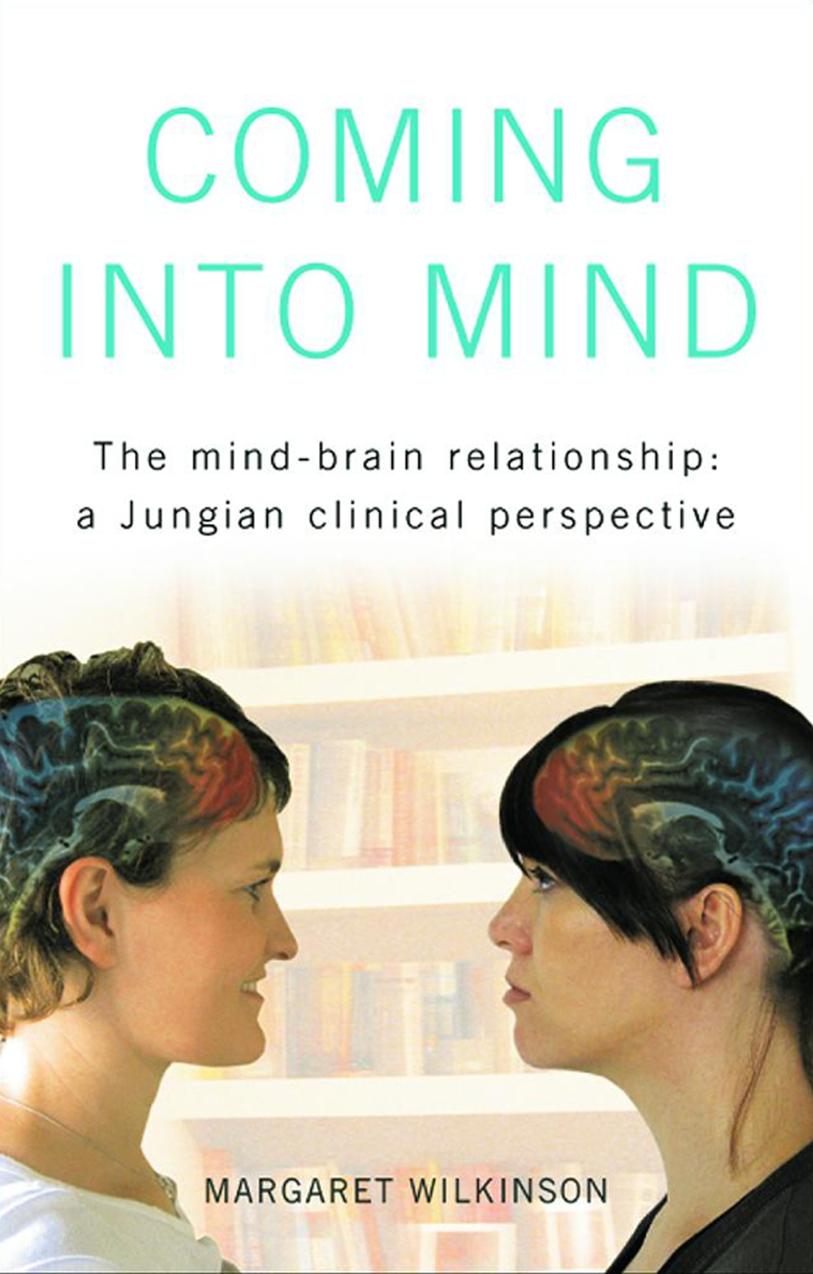
Contemporary neuroscience has a valuable contribution to make to understanding the mind-brain. Coming into Mind aims to bridge the gap between theory and clinical practice, demonstrating how awareness of the insights gained from neuroscience is essential if the psychological therapies are to maintain scientific integrity in the twenty-first century.
Margaret Wilkinson introduces the clinician to those aspects of neuroscience which are most relevant to their practice, guiding the reader through topics such as memory, brain plasticity, neural connection and the emotional brain. Detailed clinical case studies are included throughout to demonstrate the value of employing the insights of neuroscience. The book focuses on the affect-regulating, relational aspects of therapy that forge new neural pathways through emotional connection, forming the emotional scaffolding that permits the development of mind. Subjects covered include:
- Why neuroscience?
- The early development of the mind-brain
- Un-doing dissociation
- The dreaming mind-brain
- The emergent self
This book succeeds in making cutting-edge research accessible, helping mental health professionals grasp the direct relevance of neuroscience to their practice. It will be of great interest to Jungian analysts, psychoanalysts, psychodynamic psychotherapists and counsellors.
Payez facilement par carte, Klarna, Apple Pay ou Google Pay. Pas satisfait ? Vous avez toujours une garantie de remboursement de 14 jours. En savoir plus dans nos conditions. Si vous avez des questions, envoyez-nous un e-mail à hello@memmo.org.
Memmo facilite tes études, où que tu sois dans le monde. On rassemble tes manuels de cours et des outils d'étude intelligents au même endroit : résumés, quiz, podcasts et flashcards. Et il y a Ted, ton compagnon d'étude qui répond à toutes tes questions. Plus de 50 000 étudiants étudient déjà ici – conçu pour t'aider à apprendre plus vite et à moins stresser.