
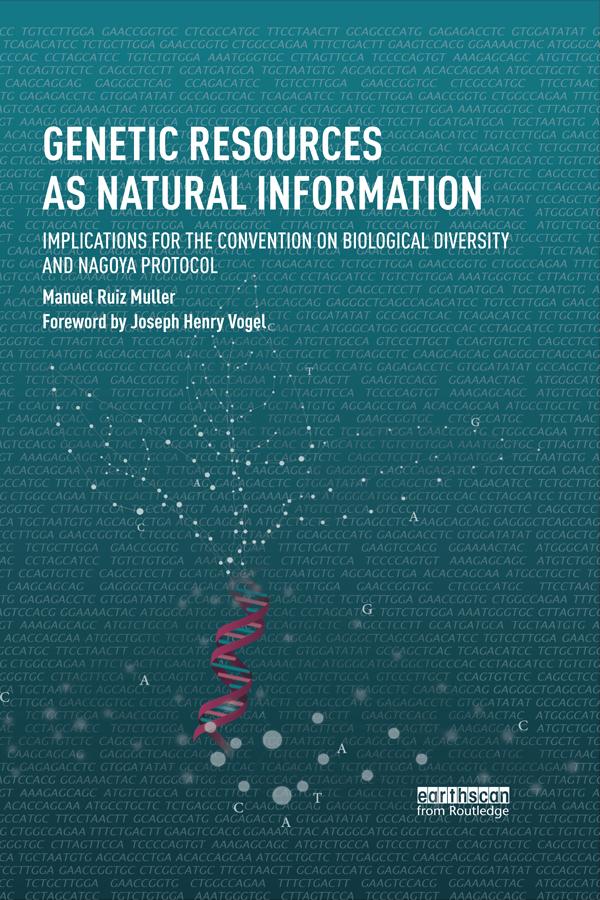
Demonstrating the shortcomings of current policy and legal approaches to access and benefit-sharing (ABS) in the Convention on Biological Diversity (CBD), this book recognizes that genetic resources are widely distributed across countries and that bilateral contracts undermine fairness and equity. The book offers a practical and feasible regulatory alternative to ensure the goal of fairness and equity is effectively and efficiently met.
Through a legal analysis that also incorporates historic, economic and sociological perspectives, the book argues that genetic resources are not tangible resources but information. It shows that the existing preference for bilateralism and contracts reflects resistance on the part of many of the stakeholders involved in the CBD process to recognize them as such. ABS issues respond very well to the economics of information, yet as the author explains, these have been either sidelined or overlooked.
At a time when the Nagoya Protocol on ABS has renewed interest in feasible policy options, the author provides a constructive and provocative critique. The institutional, policy and regulatory framework constitute "bounded openness" under which fairness and equity emerge.
Payez facilement par carte, Klarna, Apple Pay ou Google Pay. Pas satisfait ? Vous avez toujours une garantie de remboursement de 14 jours. En savoir plus dans nos conditions. Si vous avez des questions, envoyez-nous un e-mail à hello@memmo.org.
Memmo facilite tes études, où que tu sois dans le monde. On rassemble tes manuels de cours et des outils d'étude intelligents au même endroit : résumés, quiz, podcasts et flashcards. Et il y a Ted, ton compagnon d'étude qui répond à toutes tes questions. Plus de 50 000 étudiants étudient déjà ici – conçu pour t'aider à apprendre plus vite et à moins stresser.