
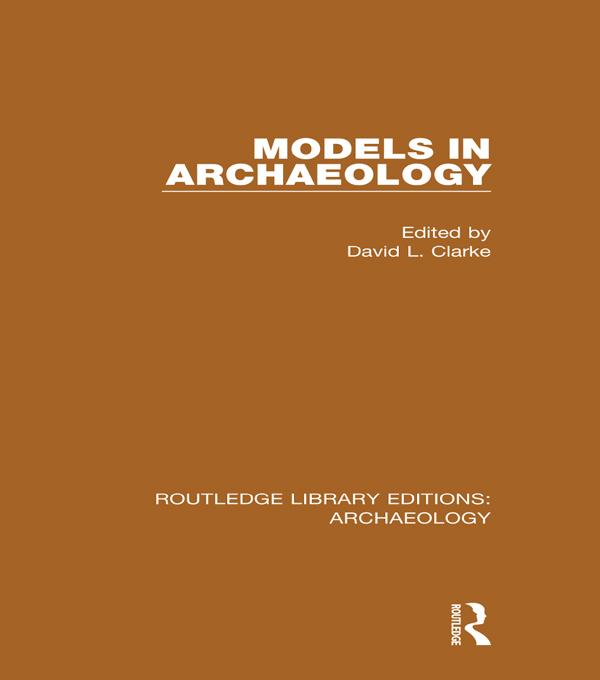
This major study reflects the increasing significance of careful model formation and testing in those academic subjects that are struggling from intuitive and aesthetic obscurantism toward a more disciplined and integrated approach to their fields of study. The twenty-six original contributions represent the carefully selected work of progressive archaeologists around the world, covering the use of models on archaeological material of all kinds and from all periods from Palaeolithic to Medieval. Their common theme is archaeological generalisation by means of explicit model building, testing, modification and reapplication. The contributors seek to show that it is the use of certain models in particular ways that defines archaeology as the practice of one discipline, with a set of general tenets that are as applicable in Peru as in Persia, Australia as Alaska, Sweden as Scotland, on material from the second millennium B.C. to the second millennium A.D. They assert that careful model formulation within archaeology and the cautious exchange and testing of models within and beyond the discipline provides the only route to the formation of the common, internationally valid body of theory which defines a vigorous and coherent discipline and distinguishes it from being a collection of merely regionally applicable special cases.
Payez facilement par carte, Klarna, Apple Pay ou Google Pay. Pas satisfait ? Vous avez toujours une garantie de remboursement de 14 jours. En savoir plus dans nos conditions. Si vous avez des questions, envoyez-nous un e-mail à hello@memmo.org.
Memmo facilite tes études, où que tu sois dans le monde. On rassemble tes manuels de cours et des outils d'étude intelligents au même endroit : résumés, quiz, podcasts et flashcards. Et il y a Ted, ton compagnon d'étude qui répond à toutes tes questions. Plus de 50 000 étudiants étudient déjà ici – conçu pour t'aider à apprendre plus vite et à moins stresser.