
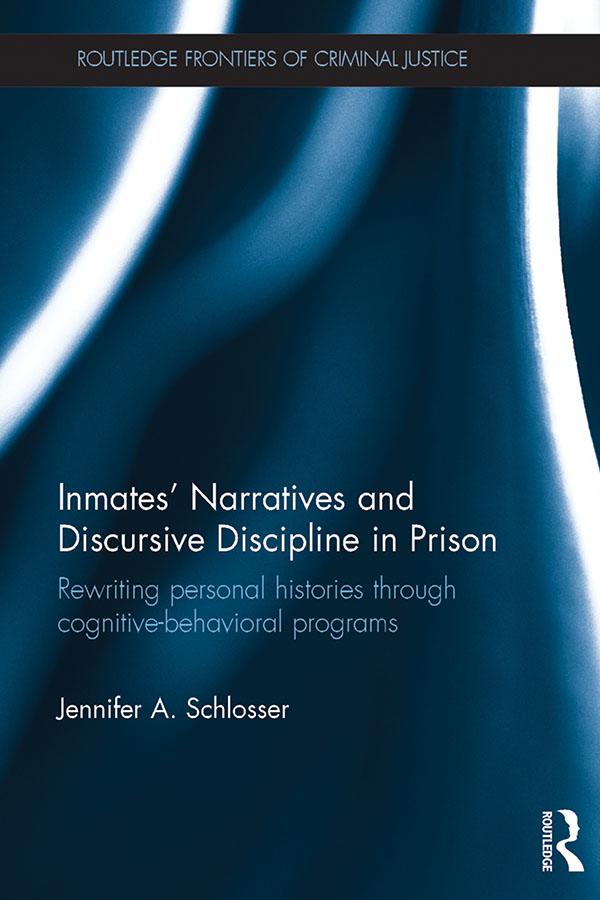
The question of ‘what works’ in offender treatment has dominated the field of prisoner re-entry and recidivism research for the last thirty years. One of the primary ways the criminal justice system tries to reduce the rates of recidivism among offenders is through the use of cognitive behavioural programs (CBP) as in-prison intervention strategies. The emphasis for these programs is on the idea that inmates are in prison because they made poor choices and bad decisions. Inmates’ thinking is characterized as flawed and the purpose of the program is to teach them to think and act in socially appropriate ways so they will be less inclined to return to prison after their release.
This book delves into the heart of one such cognitive behavioural programme, examines its inner workings, its effects on inmates’ narrated experience and considers what happens when a CBP of substandard quality and integrity is used as a gateway for inmates’ release.
Based on original empirical research, this book provides realistic suggestions for improving policy, for reforming current in-prison programs engaging in problematic practices and for instituting alternatives that take the needs of the inmates into greater account. This book is essential reading for students and academics engaged in the study of sociology, criminal justice, prisons, social policy, sentencing and punishment.
Payez facilement par carte, Klarna, Apple Pay ou Google Pay. Pas satisfait ? Vous avez toujours une garantie de remboursement de 14 jours. En savoir plus dans nos conditions. Si vous avez des questions, envoyez-nous un e-mail à hello@memmo.org.
Memmo facilite tes études, où que tu sois dans le monde. On rassemble tes manuels de cours et des outils d'étude intelligents au même endroit : résumés, quiz, podcasts et flashcards. Et il y a Ted, ton compagnon d'étude qui répond à toutes tes questions. Plus de 50 000 étudiants étudient déjà ici – conçu pour t'aider à apprendre plus vite et à moins stresser.