
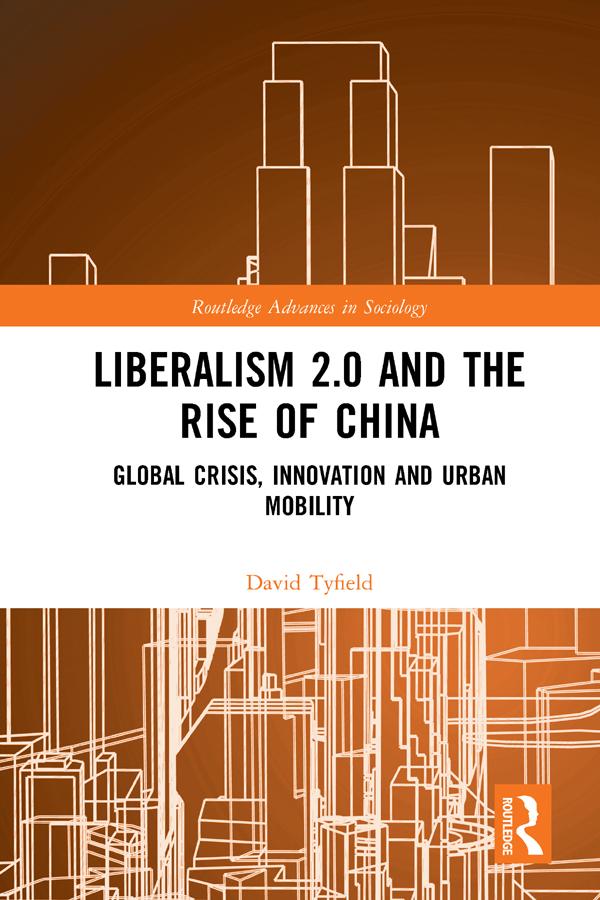
What can we do in this period of historic, global turbulence? Mainstream narratives have no plausible account of how to stop exacerbating the multiple, overlapping challenges; much less begin to address them meaningfully. The only thing everyone agrees is innovation will be needed.
But what is innovation? Usually, it is understood as new technologies that will ‘solve’ specific ‘problems’ – and, it is hoped, return life to a ‘business as usual’ of progress in individual freedom and wealth. But innovation is a thoroughly social process with profound implications for the arrangement of power in a society, hence shaping the emergence of new social systems. Exploring evidence from the key arenas of low-carbon innovation, including in the pivotal location of a rising China, this book describes the global systemic crisis of a neoliberal world order and the embryonic emergence of an alternative global power regime of a ‘liberalism 2.0’. This augurs both a web 2.0-based revitalization of the classical liberalism of the nineteenth century and new Dickensian inequalities and injustices. Against hopes that the present is a ‘revolutionary’ moment, therefore, political engagement with this emerging power regime is thus presented as the most productive strategy for a progressive twenty-first century politics.
Payez facilement par carte, Klarna, Apple Pay ou Google Pay. Pas satisfait ? Vous avez toujours une garantie de remboursement de 14 jours. En savoir plus dans nos conditions. Si vous avez des questions, envoyez-nous un e-mail à hello@memmo.org.
Memmo facilite tes études, où que tu sois dans le monde. On rassemble tes manuels de cours et des outils d'étude intelligents au même endroit : résumés, quiz, podcasts et flashcards. Et il y a Ted, ton compagnon d'étude qui répond à toutes tes questions. Plus de 50 000 étudiants étudient déjà ici – conçu pour t'aider à apprendre plus vite et à moins stresser.