
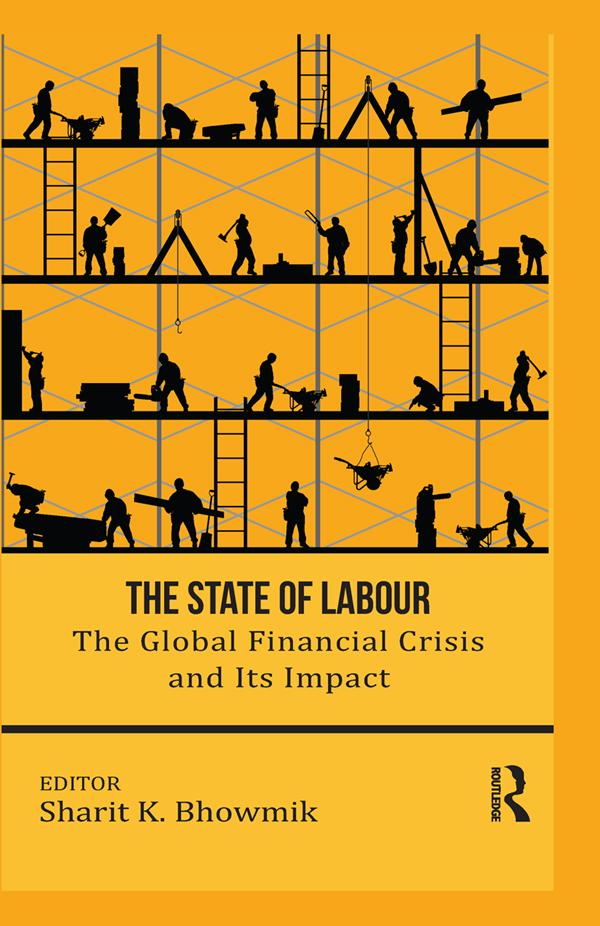
This book analyzes the adverse effects of globalization and liberalization — acutely manifest in the increased financialization of capital and the concomitant global financial crisis of 2008–09 — on the labour force, especially in the developing countries. Drawing upon case studies from several countries including India, Columbia, Malawi, Brazil and Thailand, it highlights the worsening plight of working class as a whole and informal labour in particular. The essays examine issues such as down-sizing, lowering of wages, insecurity and erosion of labour rights, and show how labour is grappling with the situation.
The volume critically re-assesses varied aspects of the growing informal sector: its dubious credential as an employment provider during crises; its non-adherence to internationally recognized standards of decent work; the problems and potential of workers' unions; and the need for a regulatory regime. It also discusses changes in the Indian labour market induced by business environment and technology as well as its future dynamics. Presenting a historical review of labour markets, the work explores the deregulation wave under the globalization of 1980s and the interactions between existing unstable asset markets and labour markets.
The book will prove especially useful to students and scholars in economics, labour studies and sociology, and those engaged in public policy and governance.
Payez facilement par carte, Klarna, Apple Pay ou Google Pay. Pas satisfait ? Vous avez toujours une garantie de remboursement de 14 jours. En savoir plus dans nos conditions. Si vous avez des questions, envoyez-nous un e-mail à hello@memmo.org.
Memmo facilite tes études, où que tu sois dans le monde. On rassemble tes manuels de cours et des outils d'étude intelligents au même endroit : résumés, quiz, podcasts et flashcards. Et il y a Ted, ton compagnon d'étude qui répond à toutes tes questions. Plus de 50 000 étudiants étudient déjà ici – conçu pour t'aider à apprendre plus vite et à moins stresser.