
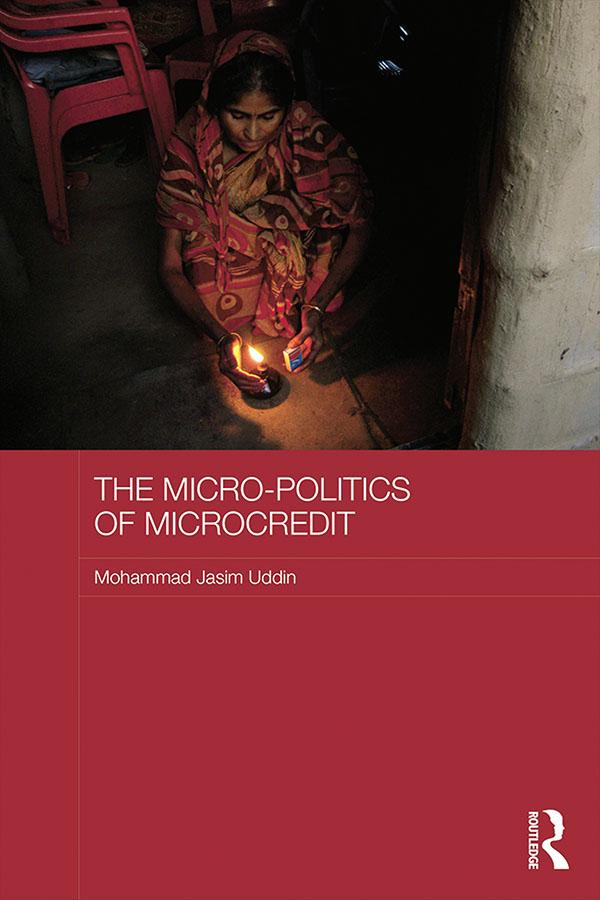
Microcredit has been seen in recent decades as having great potential for aiding development in poor developing countries, with Bangladesh being one of the countries which has pioneered microcredit and implemented it most widely. This book, based on extensive original research, explores how microcredit works in practice, and assesses its effectiveness. It discusses how microcredit, usually channelled through women, is often passed to the men of the family, a practice disapproved of by some, but regarded as acceptable by borrowers who have a communal approach to debt, rather than viewing debt as something held by single individuals. The book demonstrates how the rules around microcredit are often seem as irksome by the borrowers, how lenders often charge high rates of interest and work primarily to preserve their institutions, thereby going against the spirit of the microcredit movement, and how borrowers often end up on a downward spiral, deeper and deeper in debt. Overall, the book argues that although microcredit does much good, it also has many drawbacks.
Payez facilement par carte, Klarna, Apple Pay ou Google Pay. Pas satisfait ? Vous avez toujours une garantie de remboursement de 14 jours. En savoir plus dans nos conditions. Si vous avez des questions, envoyez-nous un e-mail à hello@memmo.org.
Memmo facilite tes études, où que tu sois dans le monde. On rassemble tes manuels de cours et des outils d'étude intelligents au même endroit : résumés, quiz, podcasts et flashcards. Et il y a Ted, ton compagnon d'étude qui répond à toutes tes questions. Plus de 50 000 étudiants étudient déjà ici – conçu pour t'aider à apprendre plus vite et à moins stresser.