
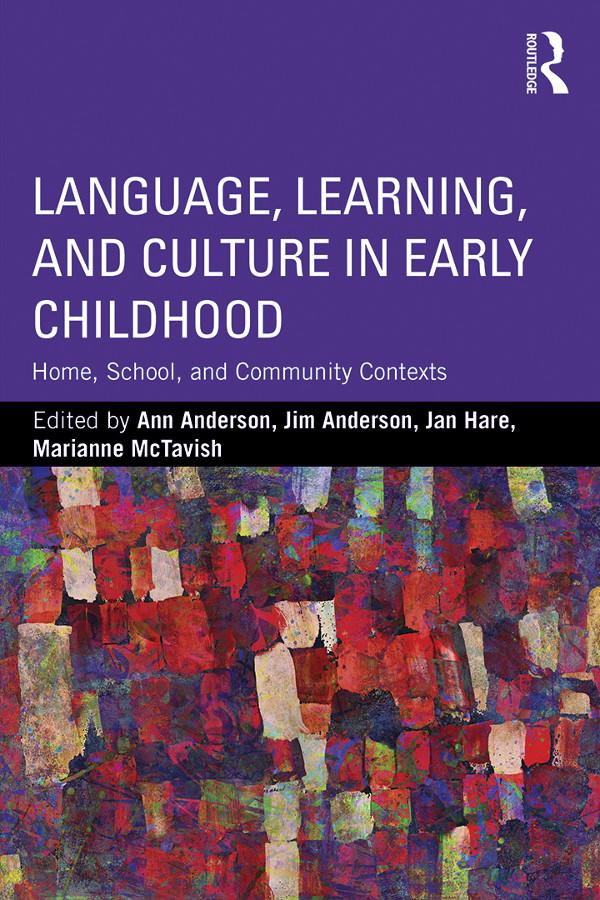
Complex factors affect young children and their families in today’s increasingly diverse world characterized by globalization, the transnational movement of people, and neo-liberal government policies in western and industrialized countries. This book focuses on three of these factors—culture, language and learning—and how they affect children’s development and learning in the context of their communities, families and schools. Taking an ecological perspective, it challenges normative and hegemonic views of young children’s language, literacy and numeracy development and offers examples of demonstrated educational practices that acknowledge and build on the knowledge that children develop and learn in culturally specific ways in their homes and communities.
The authors highlight issues and perspectives that are particular to Indigenous people who have been subjected to centuries of assimilationist and colonialist policies and practices, and the importance of first or home language maintenance and its cognitive, cultural, economic, psychological and social benefits. Links are provided to a package of audio-video resources (http://blogs.ubc.ca/intersectionworkshop/) including key note speeches and interviews with leading international scholars, and a collection of vignettes from the workshop from which this volume was produced .
Payez facilement par carte, Klarna, Apple Pay ou Google Pay. Pas satisfait ? Vous avez toujours une garantie de remboursement de 14 jours. En savoir plus dans nos conditions. Si vous avez des questions, envoyez-nous un e-mail à hello@memmo.org.
Memmo facilite tes études, où que tu sois dans le monde. On rassemble tes manuels de cours et des outils d'étude intelligents au même endroit : résumés, quiz, podcasts et flashcards. Et il y a Ted, ton compagnon d'étude qui répond à toutes tes questions. Plus de 50 000 étudiants étudient déjà ici – conçu pour t'aider à apprendre plus vite et à moins stresser.