
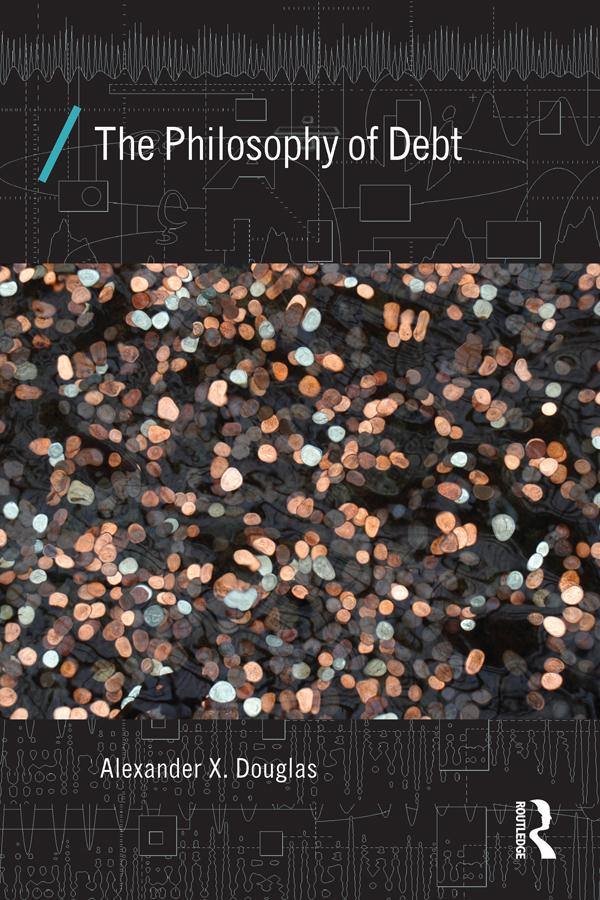
I owe you a dinner invitation, you owe ten years on your mortgage, and the government owes billions. We speak confidently about these cases of debt, but is that concept clear in its meaning? This book aims to clarify the concept of debt so we can find better answers to important moral and political questions.
This book seeks to accomplish two things. The first is to clarify the concept of debt by examining how the word is used in language. The second is to develop a general, principled account of how debts generate genuine obligations. This allows us to avoid settling each case by a bare appeal to moral intuitions, which is what we seem to currently do. It requires a close examination of many institutions, e.g. money, contract law, profit-driven finance, government fiscal operations, and central banking. To properly understand the moral and political nature of debt, we must understand how these institutions have worked, how they do work, and how they might be made to work.
There have been many excellent anthropological and sociological studies of debt and its related institutions. Philosophy can contribute to the emerging discussion and help us to keep our language precise and to identify the implicit principles contained in our intuitions.
Payez facilement par carte, Klarna, Apple Pay ou Google Pay. Pas satisfait ? Vous avez toujours une garantie de remboursement de 14 jours. En savoir plus dans nos conditions. Si vous avez des questions, envoyez-nous un e-mail à hello@memmo.org.
Memmo facilite tes études, où que tu sois dans le monde. On rassemble tes manuels de cours et des outils d'étude intelligents au même endroit : résumés, quiz, podcasts et flashcards. Et il y a Ted, ton compagnon d'étude qui répond à toutes tes questions. Plus de 50 000 étudiants étudient déjà ici – conçu pour t'aider à apprendre plus vite et à moins stresser.