
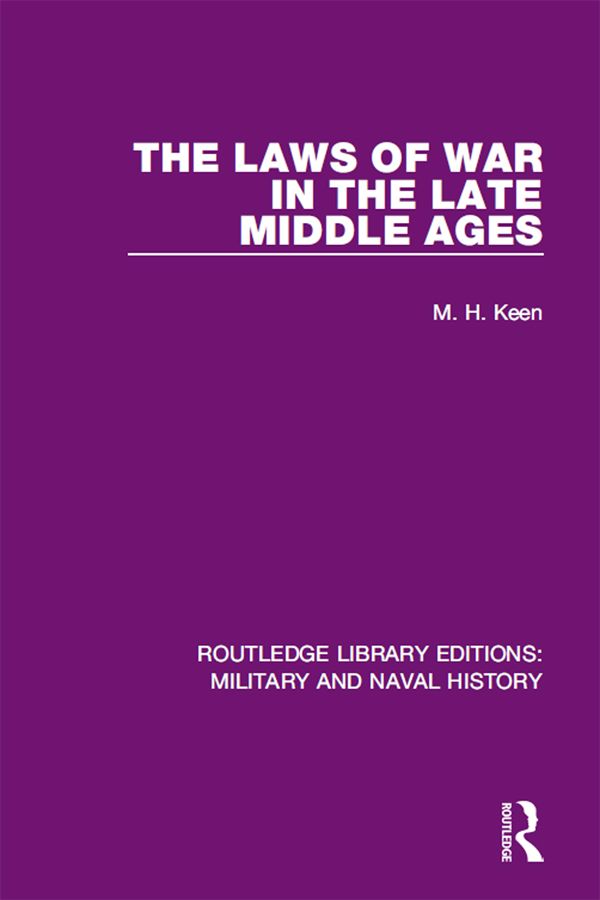
Many of the combatants in the European wars of the late middle ages fought for their own gain, but they observed a code of regulations, part chivalrous and part commercial which they called the ‘law of arms’. This book, originally published in 1965, examines this soldiers’ code, to understand its rules and how they were enforced. How did a soldier sue for ransom money if his prisoner would not pay it, and before what court? How did he know whether what he took by force was lawful spoil? As the answers to these and other questions reveal, the workings of the law of arms gave practical point to the contemporary cult of chivalry. It also had an important influence on the early development of ideas of international law.
Payez facilement par carte, Klarna, Apple Pay ou Google Pay. Pas satisfait ? Vous avez toujours une garantie de remboursement de 14 jours. En savoir plus dans nos conditions. Si vous avez des questions, envoyez-nous un e-mail à hello@memmo.org.
Memmo facilite tes études, où que tu sois dans le monde. On rassemble tes manuels de cours et des outils d'étude intelligents au même endroit : résumés, quiz, podcasts et flashcards. Et il y a Ted, ton compagnon d'étude qui répond à toutes tes questions. Plus de 50 000 étudiants étudient déjà ici – conçu pour t'aider à apprendre plus vite et à moins stresser.