
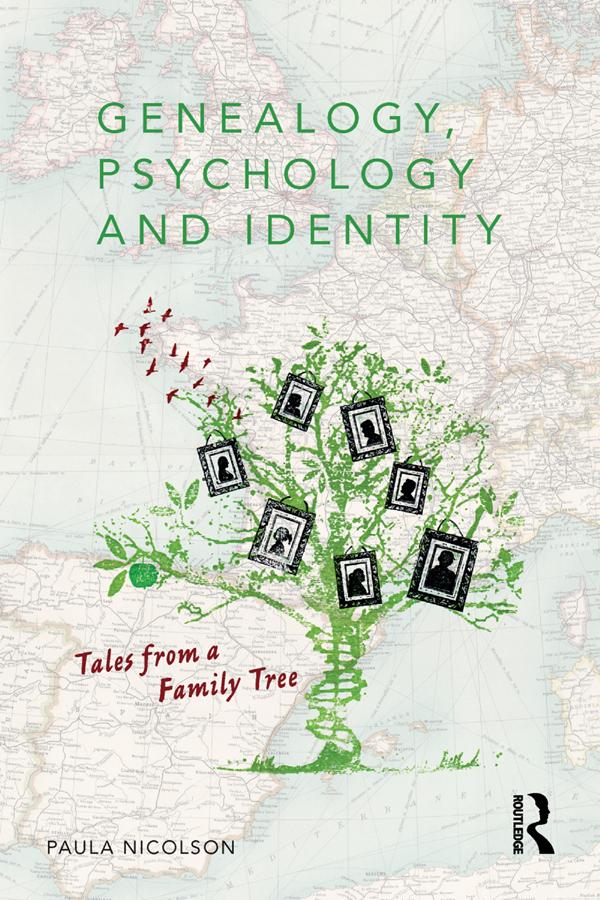
The popularity of amateur genealogy and family history has soared in recent times. Genealogy, Psychology and Identity explores this popular international pastime and offers reasons why it informs our sense of who we are, and our place in both contemporary culture and historical context. We will never know any of the people we discover from our histories in person, but for several reasons we recognize that their lives shaped ours. Paula Nicolson draws on her experiences tracing her own family history to show how people can connect with archival material, using documents and texts to expand their knowledge and understanding of the psychosocial experiences of their ancestors.
Key approaches to identity and relationships lend clues to our own lives but also to what psychosocial factors run across generations. Attachment and abandonment, trusting, being let down, becoming independent, migration, health and money, all resonate with the psychological experiences that define the outlooks, personalities and the ways that those who came before us related to others.
Nicolson highlights the importance of genealogy in the development of identity and the therapeutic potential of family history in cultivating well-being that will be of interest to those researching their own family tree, genealogists and counsellors, as well as students and researchers in social psychology and social history.
Payez facilement par carte, Klarna, Apple Pay ou Google Pay. Pas satisfait ? Vous avez toujours une garantie de remboursement de 14 jours. En savoir plus dans nos conditions. Si vous avez des questions, envoyez-nous un e-mail à hello@memmo.org.
Memmo facilite tes études, où que tu sois dans le monde. On rassemble tes manuels de cours et des outils d'étude intelligents au même endroit : résumés, quiz, podcasts et flashcards. Et il y a Ted, ton compagnon d'étude qui répond à toutes tes questions. Plus de 50 000 étudiants étudient déjà ici – conçu pour t'aider à apprendre plus vite et à moins stresser.