
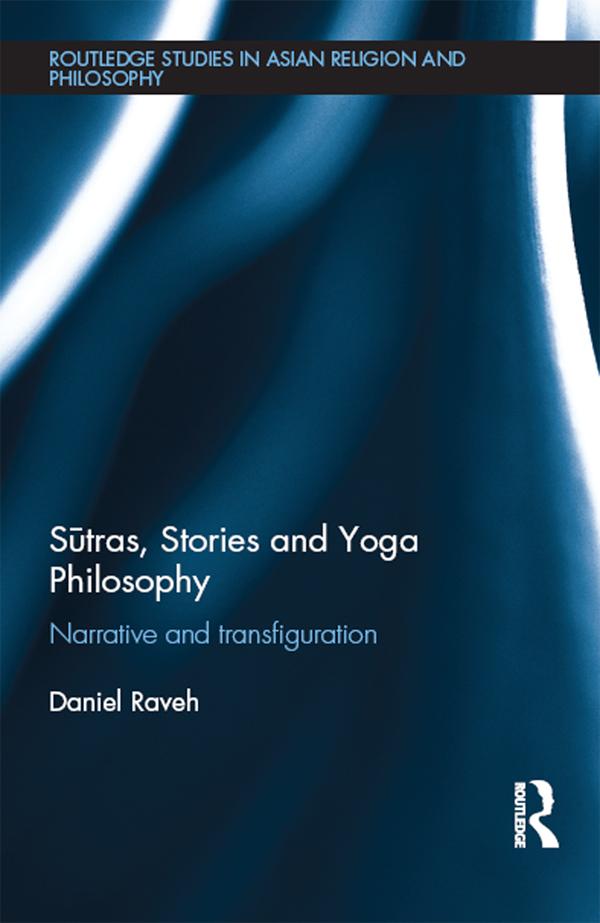
This book presents a close reading of four Indian narratives from different time periods (epic, Upaniṣadic, pre-modern and contemporary): Ekalavya's story from the Mahābhārata (MBh 1.123.1-39), the story of Prajāpati, Indra and Virochana from the Chāndogya Upanisad (CU 8.7.1-8.12.5), the story of Śankara in the King's body from the Śankaradigvijaya, and A.R. Murugadoss's Hindi film Ghajini (2008), respectively. These stories are thematically juxtaposed with Pātañjala-yoga, namely Patañjali's Yogasūtra and its vast commentarial body. The sūtras reveal hidden philosophical layers. The stories, on the other hand, contribute to the clarification of "philosophical junctions" in the Yogasūtra. Through sūtras and stories, the author explores the question of self-identity, with emphasis on the role of memory and the place of body in identity-formation. Each of the stories diagnoses the connection between self-identity and (at least a sense of) freedom.
Employing cutting-edge methodology, crossing the boundaries of literary theory, story-telling, and philosophical reflection, this book presents fresh interpretations of Indian thought. It is useful to specialists in Asian philosophy and culture.
Payez facilement par carte, Klarna, Apple Pay ou Google Pay. Pas satisfait ? Vous avez toujours une garantie de remboursement de 14 jours. En savoir plus dans nos conditions. Si vous avez des questions, envoyez-nous un e-mail à hello@memmo.org.
Memmo facilite tes études, où que tu sois dans le monde. On rassemble tes manuels de cours et des outils d'étude intelligents au même endroit : résumés, quiz, podcasts et flashcards. Et il y a Ted, ton compagnon d'étude qui répond à toutes tes questions. Plus de 50 000 étudiants étudient déjà ici – conçu pour t'aider à apprendre plus vite et à moins stresser.