
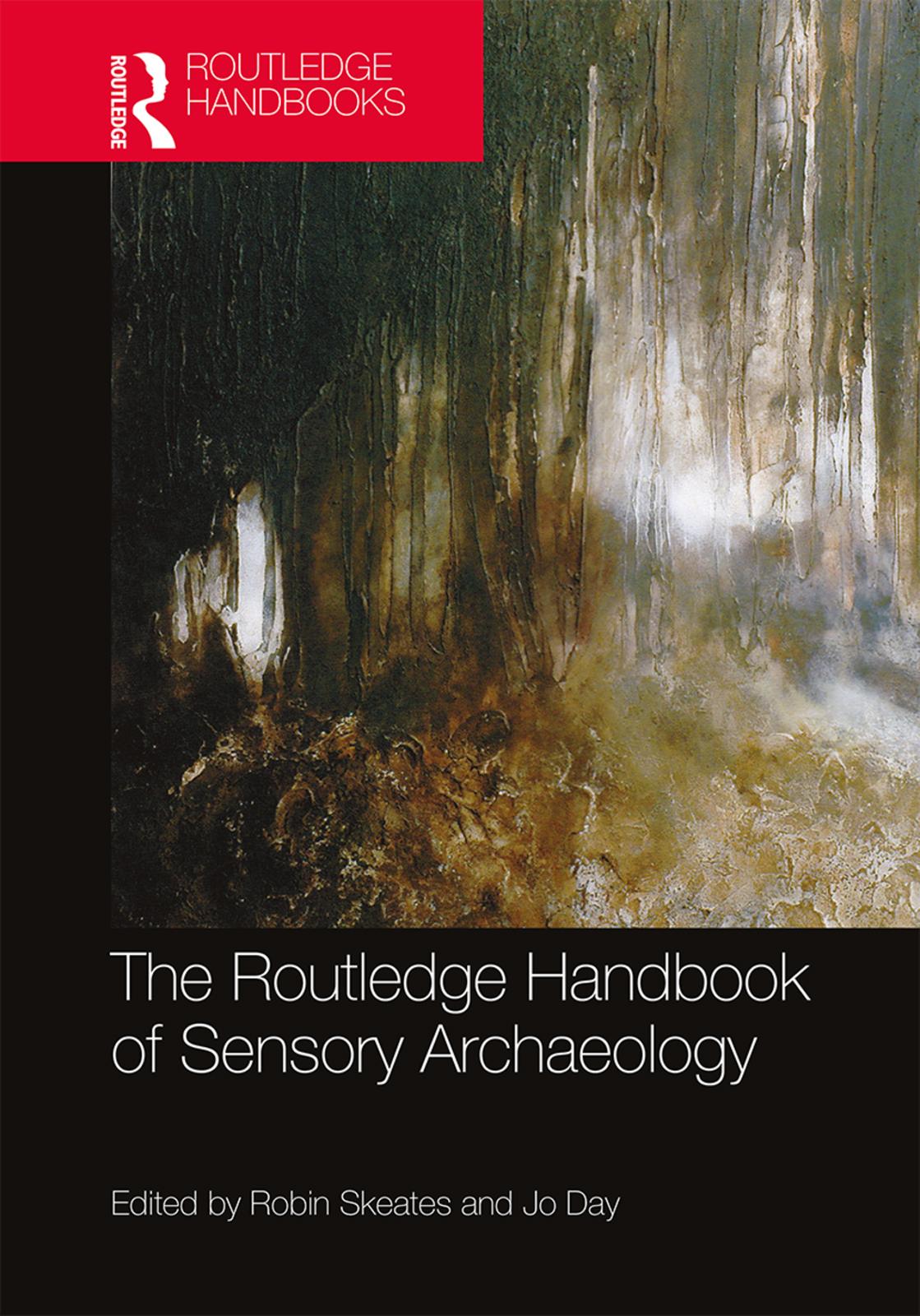
Edited by two pioneers in the field of sensory archaeology, this Handbook comprises a key point of reference for the ever-expanding field of sensory archaeology: one that surpasses previous books in this field, both in scope and critical intent.
This Handbook provides an extensive set of specially commissioned chapters, each of which summarizes and critically reflects on progress made in this dynamic field during the early years of the twenty-first century. The authors identify and discuss the key current concepts and debates of sensory archaeology, providing overviews and commentaries on its methods and its place in interdisciplinary sensual culture studies. Through a set of thematic studies, they explore diverse sensorial practices, contexts and materials, and offer a selection of archaeological case-studies from different parts of the world. In the light of this, the research methods now being brought into the service of sensory archaeology are re-examined.
Of interest to scholars, students and others with an interest in archaeology around the world, this book will be invaluable to archaeologists and is also of relevance to scholars working in disciplines contributing to sensory studies: aesthetics, anthropology, architecture, art history, communication studies, history (including history of science), geography, literary and cultural studies, material culture studies, museology, philosophy, psychology, and sociology.
Payez facilement par carte, Klarna, Apple Pay ou Google Pay. Pas satisfait ? Vous avez toujours une garantie de remboursement de 14 jours. En savoir plus dans nos conditions. Si vous avez des questions, envoyez-nous un e-mail à hello@memmo.org.
Memmo facilite tes études, où que tu sois dans le monde. On rassemble tes manuels de cours et des outils d'étude intelligents au même endroit : résumés, quiz, podcasts et flashcards. Et il y a Ted, ton compagnon d'étude qui répond à toutes tes questions. Plus de 50 000 étudiants étudient déjà ici – conçu pour t'aider à apprendre plus vite et à moins stresser.