
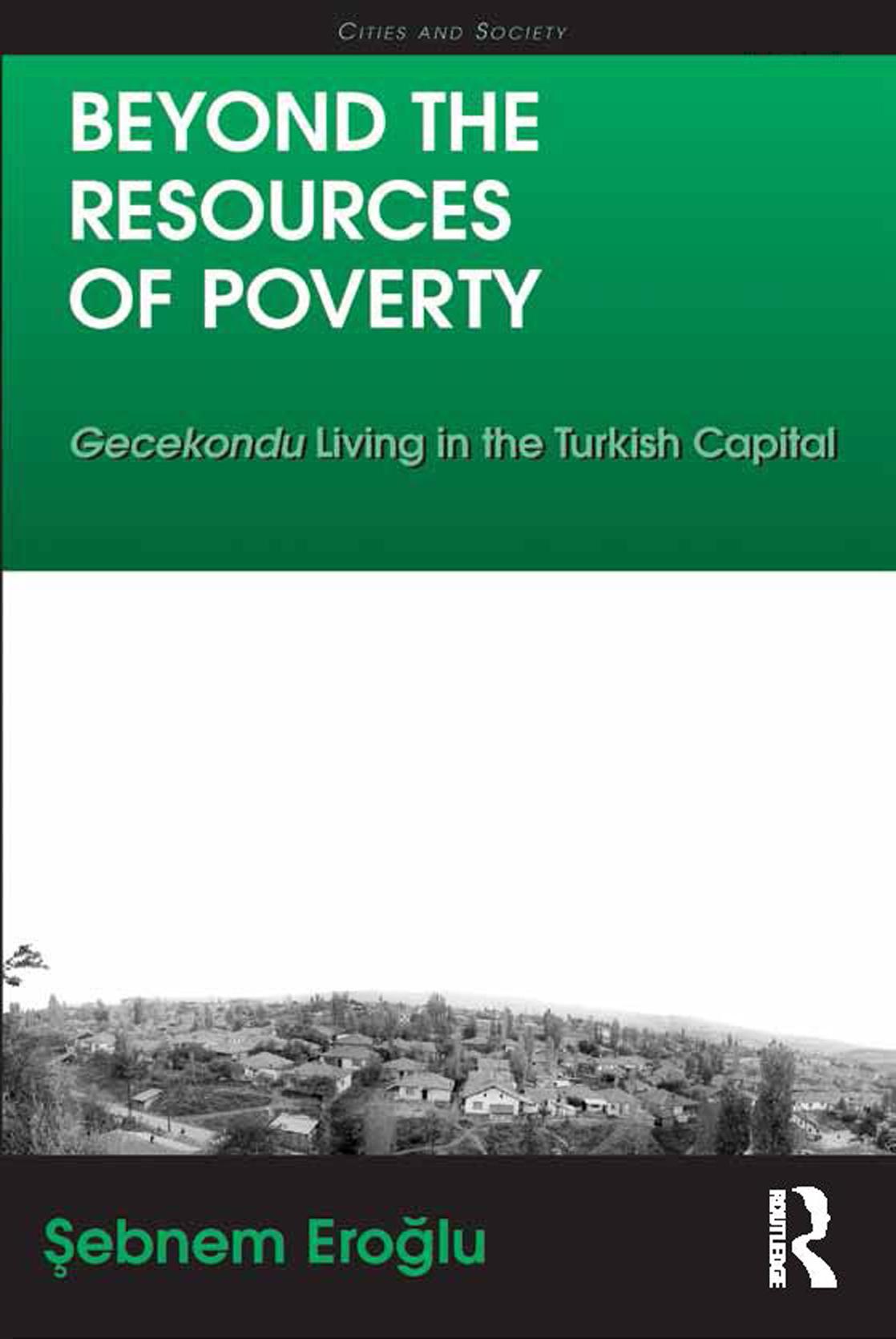
This groundbreaking volume researches the lives of gecekondu settlers in the capital city of Turkey in order to understand how households cope with poverty and why some households are more successful than others in reducing their deprivation. It takes a critical stance towards existing conceptions such as household survival, livelihood and coping strategy and develops an alternative model based on four types of household response to poverty: income generation, income allocation, consumption and investment. In explaining household responses and their outcomes for poverty, the book demonstrates the role of different resources beyond income including social, economic and cultural capital. It emphasises broader structural factors such as labour market processes and state policies which influence the availability and/or benefit delivery capacity of household resources, and thereby moves beyond the dominant view which overemphasises the resilience of the poor. Gender divisions within the household are also examined. The book adopts an innovative method for measuring poverty. The new method combines 'objective' and subjective dimensions of deprivation to develop a unique way of addressing two central questions: what are those standards of living whose absence indicates deprivation, and how can the value of each standard of living be determined?
Payez facilement par carte, Klarna, Apple Pay ou Google Pay. Pas satisfait ? Vous avez toujours une garantie de remboursement de 14 jours. En savoir plus dans nos conditions. Si vous avez des questions, envoyez-nous un e-mail à hello@memmo.org.
Memmo facilite tes études, où que tu sois dans le monde. On rassemble tes manuels de cours et des outils d'étude intelligents au même endroit : résumés, quiz, podcasts et flashcards. Et il y a Ted, ton compagnon d'étude qui répond à toutes tes questions. Plus de 50 000 étudiants étudient déjà ici – conçu pour t'aider à apprendre plus vite et à moins stresser.
Tu pourrais aussi aimer
Acheter le livre0