
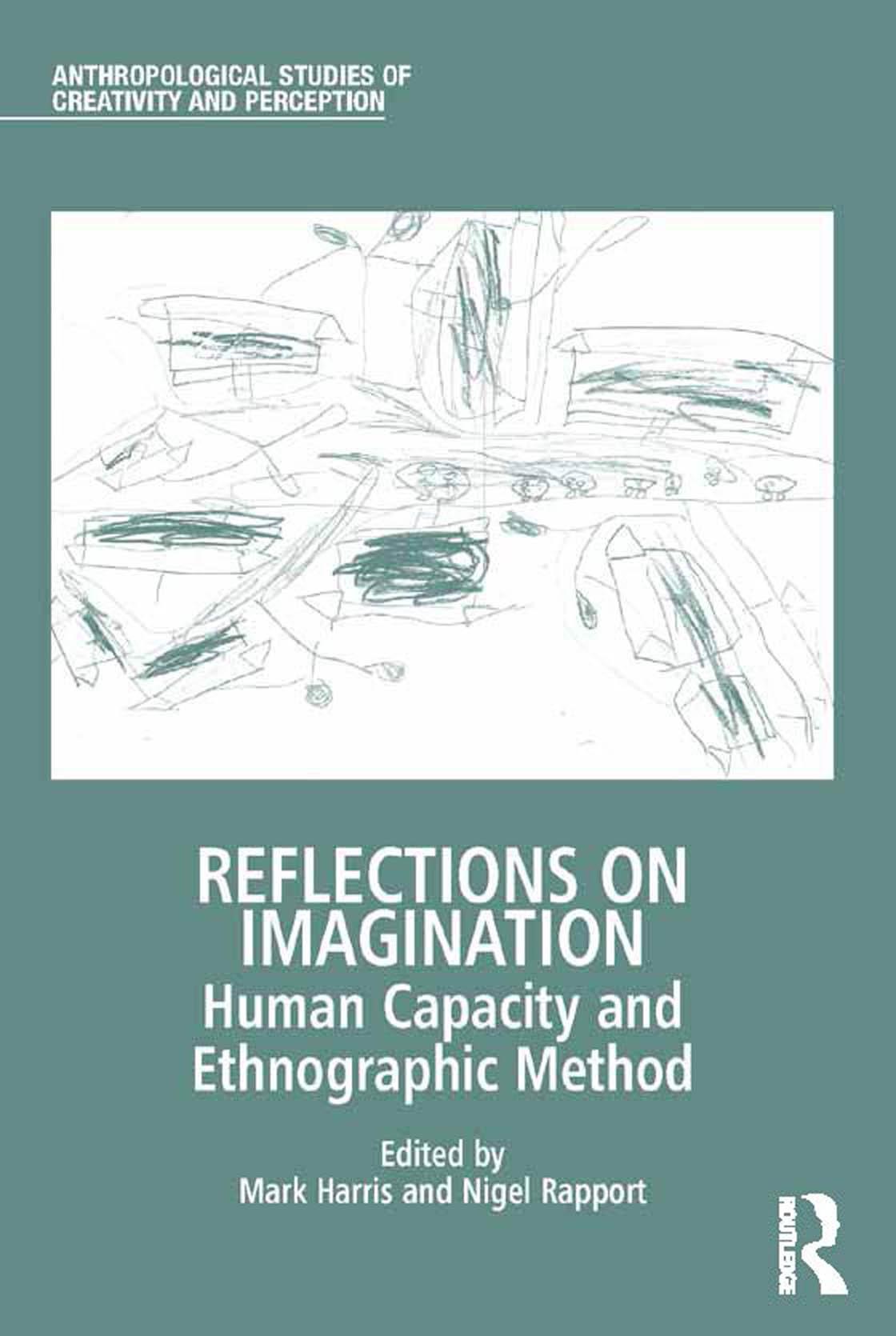
In this innovative volume, anthropologists turn their attention to a topic that has rarely figured as a focus of concerted investigation and yet which can be described as an intrinsic aspect of all human knowing and part of all processes by which human beings process information about themselves, their identities, their environments and their relations: the imagination. How do anthropologists use imagination in coming to know their research subjects? How might they, and how should they, use their imagination? And how do research subjects themselves understand, describe, justify and limit their use of the imagination? Presenting a range of case studies from a variety of locations including the UK, US, Africa, East Asia and South America, this collection offers a comparative exploration of how imagination has been conceptualized and understood in a range of analytical traditions, with regard to issues of both methodology and ethnomethodology. With emphasis not on abstraction but on imagination as activity, technique and subject situated in the middle of lives, Reflections on Imagination sheds new light on imagination as a universal capacity and practice - something to which human beings attend whenever they make sense of their environments and situate their life-projects in these environments - the means by which worlds come to be.
Payez facilement par carte, Klarna, Apple Pay ou Google Pay. Pas satisfait ? Vous avez toujours une garantie de remboursement de 14 jours. En savoir plus dans nos conditions. Si vous avez des questions, envoyez-nous un e-mail à hello@memmo.org.
Memmo facilite tes études, où que tu sois dans le monde. On rassemble tes manuels de cours et des outils d'étude intelligents au même endroit : résumés, quiz, podcasts et flashcards. Et il y a Ted, ton compagnon d'étude qui répond à toutes tes questions. Plus de 50 000 étudiants étudient déjà ici – conçu pour t'aider à apprendre plus vite et à moins stresser.
Tu pourrais aussi aimer
Acheter le livre0